



PJD Guitars has become one of the UK’s most respected boutique instrument builders. Founded by Leigh Dovey in 2010, the brand takes its name from his late father — a Royal Opera House prop maker whose craftsmanship clearly left a lasting impression. Following in those footsteps, Leigh developed his own skills as a woodworker, honing his guitar-making craft alongside a career in sound and video engineering.
Things stepped up in 2017 when PJD moved into a larger workshop in York, giving Leigh and his growing team the space to step up production and properly establish their home. Since then, they’ve built a reputation for standout Custom Shop electric guitars that blend classic shapes with modern precision.
More recently, PJD introduced the Origin Series. It’s a more accessible range designed to capture the feel and character of their high-end builds, but at a price point that opens the door to more players. We caught up with Leigh to talk about this lineup, as well as what first sparked his passion for guitar building and the challenges he’s faced along the way.
10 questions with Leigh Dovey
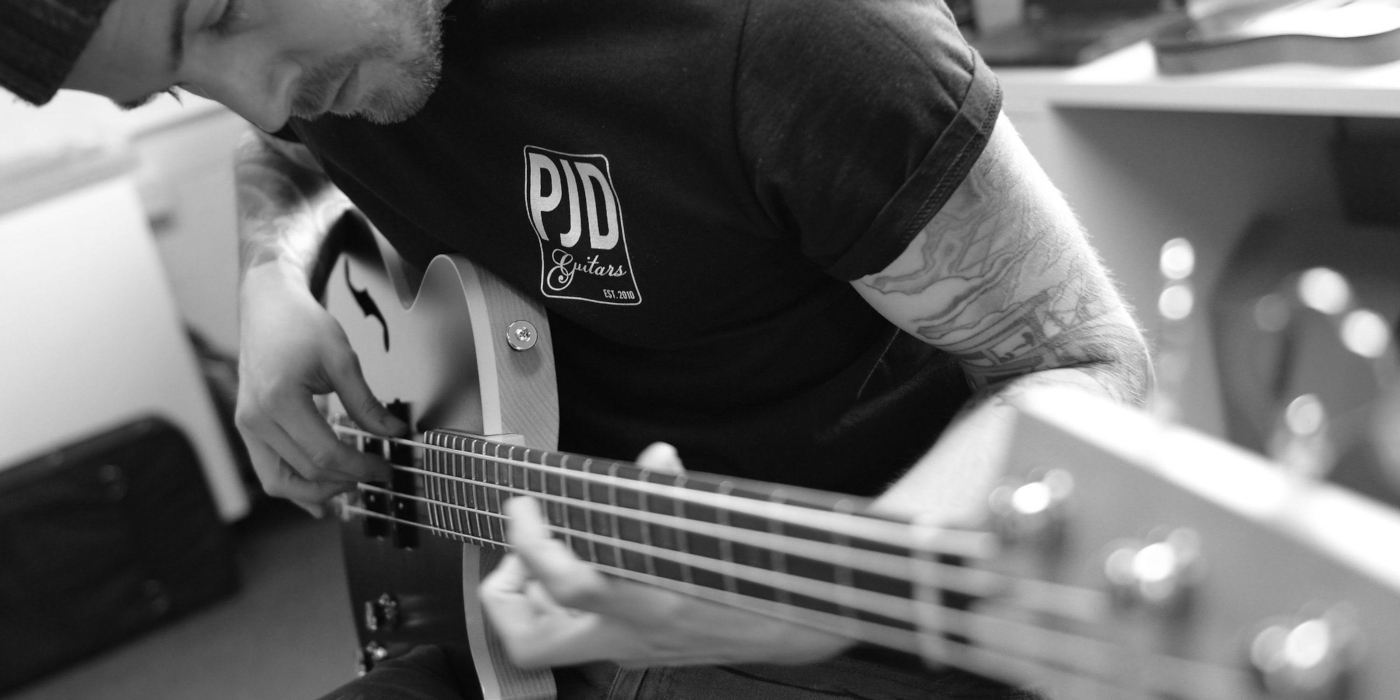
What originally inspired you to start building guitars?
Well, I became totally obsessed with guitars when I was about 10 or 11. I remember on a family holiday to America, I visited this amazing guitar shop (Ed Roman Guitars it was called) which also had a huge parts department. Pickups, hardware, spare necks, bodies — you name it, they had it. They used to build guitars in house too, I believe.
My dad and I got chatting to the tech guy and he helped me choose some cool mods for my Fender Mexican Stratocaster. When we got back, we started modding this Strat and it came out pretty cool actually. So, I guess that was where it all started.
What do you think sets PJD guitars apart from other brands?
PJD Guitars is still a small, family-run business, and that’s something I’m incredibly proud of. Unlike many larger brands, I remain personally involved in every aspect of the company, from designing and developing new models to overseeing production, speaking with dealers and talking directly with customers.
We spent a fair amount of time working on what voice we wanted certain guitars to have, and I’m massively proud of what we’ve accomplished. I think they stand shoulder to shoulder with the best.
Because we’re not a huge corporation, we’re able to focus on quality, attention to detail and building instruments that we genuinely believe in, rather than chasing trends or production targets. Every guitar that leaves our workshop represents what we’ve built the company on from day one.
What kind of feedback from guitarists has shaped your instruments the most over the years?
One of the biggest advantages of being a small guitar company is that we’re able to have genuine conversations with the people who play our instruments. And the most valuable feedback is often the simplest.
A guitar should inspire you, but it also has to be a practical tool that you can rely on. Listening to players has helped us strike that balance. Even today, I still take a keen interest in customer feedback, and many of the refinements we’ve made over the years have come directly from conversations with musicians.
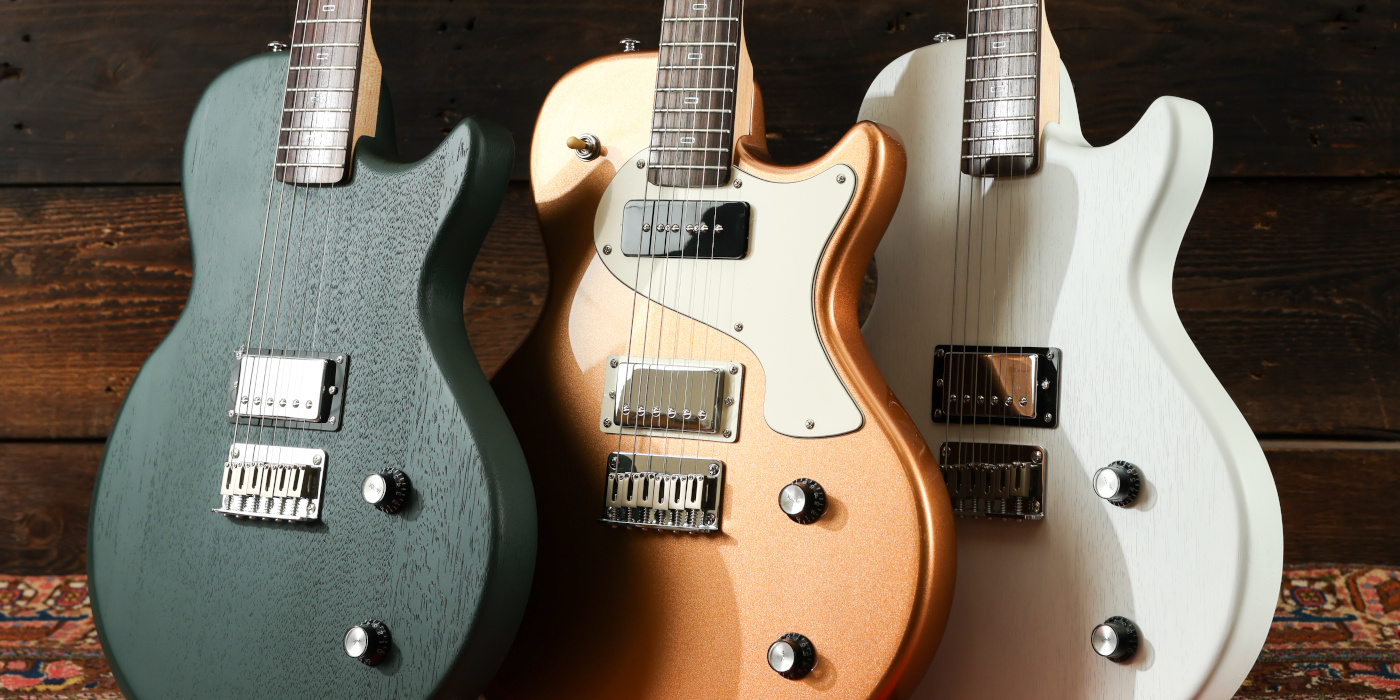
You brought pickup production in-house a couple of years ago. What drove that decision & what challenges came with it?
It was something that I’ve always wanted to do. I think guitar building is such an art form, so why put in all that work and then drop in a set of pickups that haven’t been designed by the person building the instrument?
I’m pretty lucky to have Josh Parkin working for me. He’s been building and designing pickups and guitars for years, so really it wasn’t too challenging. We spent a fair amount of time working on what voice we wanted certain guitars to have, and I’m massively proud of what we’ve accomplished. I think they stand shoulder to shoulder with the best.
What are PJD Origin Series guitars & where are they made?
The Origin Series is the entry point to PJD guitars. They’re designed by us in the UK and built in Indonesia.
How does the Origin Series compare to your UK-built instruments?
Personally, I feel the Origin Series captures the parts of the UK-built instruments that people always comment on — shape, frets, finish, feel and sound — which is exactly what we set out to do with these instruments.
Yes, of course you don’t have the hand-wound pickups, the level of customisation or the crazy attention to detail of our Custom Shop guitars. But what you do get is an amazing instrument designed by us, with all the important details done really well. And of course, at a price that’s way more attainable — without sounding too much like a salesman!
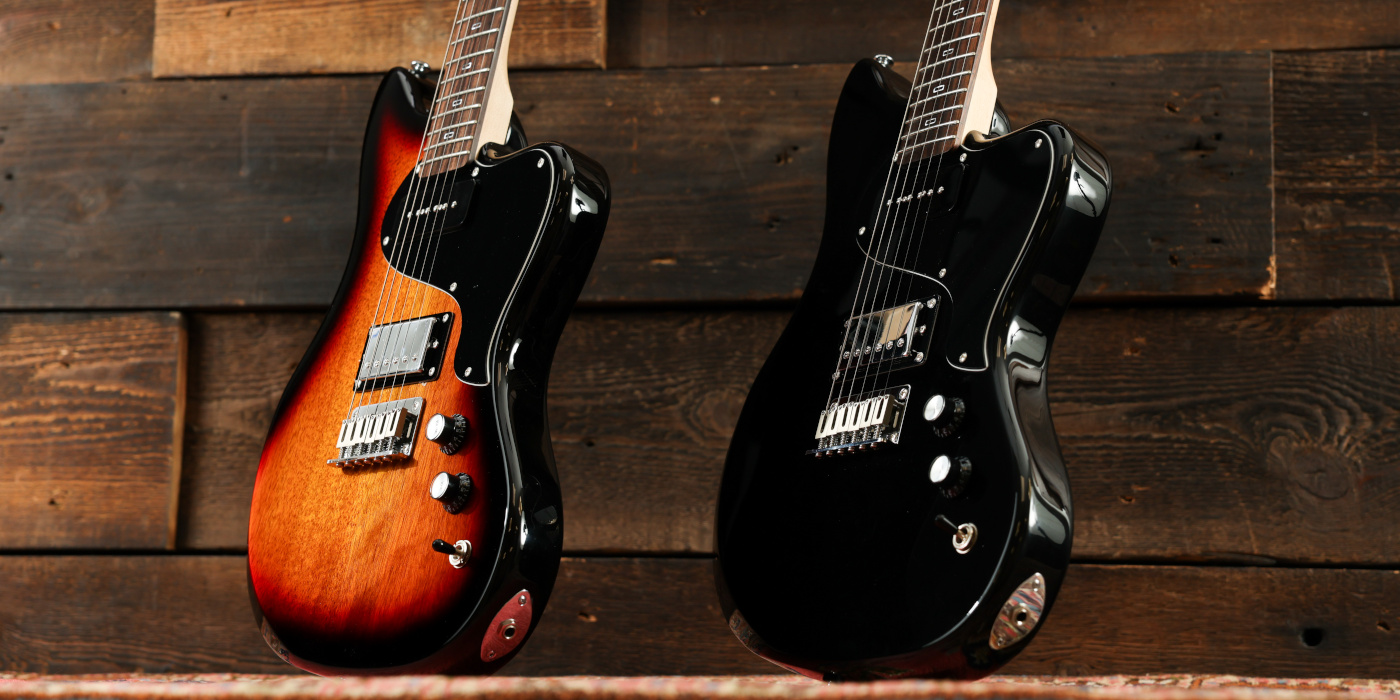
You’ve recently introduced microtonal necks. What inspired that move and are they difficult to make?
Well, I can’t take any credit for that, we owe that to Lee Anderton. I’ve been friends with Lee for quite a few years now and we’ve often discussed cool and new projects together. But this one certainly came as a surprise.
Lee phoned me one afternoon and started chatting about Angine de Poitrine. He asked, “could you guys build a microtonal guitar neck?” And I said “yeah, I don’t see why not”. When I told Josh, his beard nearly flew off!
We got our heads around the fret position calculator and went to work, and the result of course was the very cool microtonal guitars video you guys released a few weeks back. Since then, we’ve all gone microtonal mad. Harriet (Leigh’s wife) said she’s in microtonal hell, haha.
A few big names have picked up PJD guitars but which one surprised you the most?
Katie Melua! To be completely honest, I didn’t even know Katie had a PJD until her guitar tech got in touch last year and asked if we would build another for an upcoming tour, which we were pretty excited about.
Do you have a personal favourite PJD model at the moment?
It’s got to be the St. John, in any form. Elite, Classic or Origin — it’s just a cool guitar.
Can you share anything cool PJD Guitars are cooking up in the near future?
Absolutely… not! You will have to wait and see, maybe a nanotonal neck?
PJD guitars on Andertons TV
Want to hear them in action? Watch Lee and Danish Pete put the PJD Origin Series through its paces in the video below:
Follow PJD Guitars online
Love the look of these instruments? Stay in the loop with PJD’s latest news, models and more:
Make sure to bookmark the Andertons Blog too. We’re always dropping fresh content, from in-depth learn articles to the latest gear news.
Responses & Questions