



Whether you’re building a quiet home practice setup or crafting the ultimate electronic drum kit, the type of drum head you choose plays a massive role in how it feels, sounds, and responds. The two options – Rubber and Mesh drum heads. Each has its pros, cons, and ideal use cases. Whether you’re a beginner picking your first kit or a seasoned drummer looking to upgrade, understanding the difference between these two pad types can help you make the right call.
The Basics
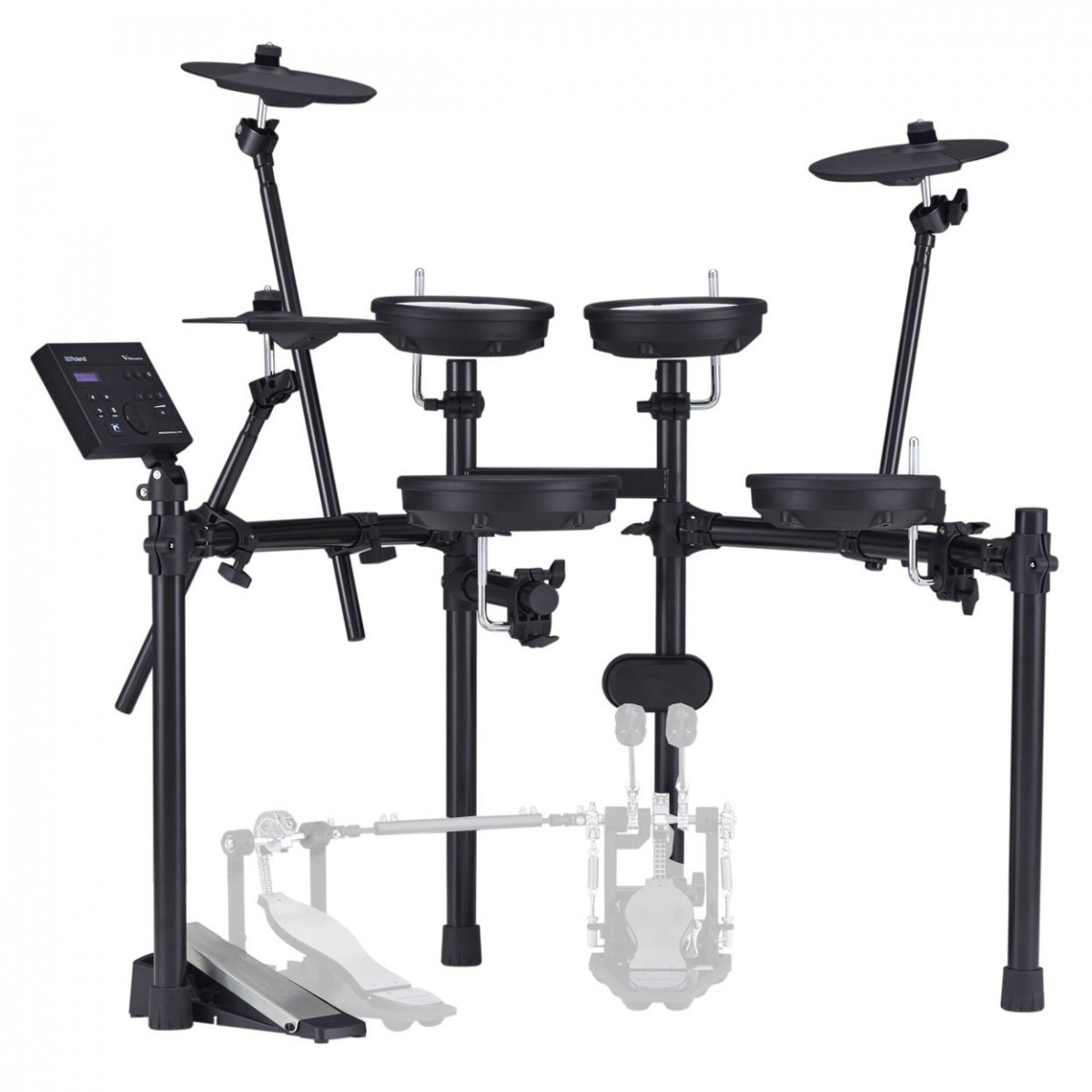
- Rubber Heads: Found mostly on beginner electronic kits (like Roland’s entry-level TD02), rubber pads are solid and often mounted on plastic bases.
- Mesh Heads: Made from woven synthetic fabric stretched across a frame. Found on most e-kits and practice kits for a more “acoustic” feel.
Let’s break down the pros, cons, and best use cases for each, so you can find your perfect fit behind the kit:
Feel & Playability
|
Category |
Rubber Heads |
Mesh Heads |
|
Rebound |
High rebound, very “bouncy” |
Tuneable for natural rebound |
|
Stick feel |
Harder on the hands |
Closer to real acoustic heads |
|
Quietness |
Moderate (louder “thud” when struck) |
Quiet – ideal for apartments and late nights |
Sound & Triggering
|
Trigger accuracy |
Good, but can miss subtle hits |
More sensitive to dynamics and velocity |
|
Zones |
Often single or dual-zone only |
Usually dual or triple-zone capable |
|
Crosstalk |
Less prone to vibration-induced crosstalk |
May require tweaking on dense kits |
Durability & Maintenance
|
Durability |
Extremely durable |
Can wear over time and excessive use |
|
Maintenance |
Low (just wipe down) |
May need re-tensioning or replacement after years |
If you’re just getting started or need something bomb-proof, rubber heads are a solid choice. But if you’re after a more expressive, realistic drumming experience, mesh heads are hands-down the way to go. Ultimately, it depends on your goals – whether it’s quiet practice, nuanced performance, or budget-friendly durability.
What do single, double, and triple zone pads mean?
The terms single, double, and triple zone refer to how many separate triggering areas a drum pad or cymbal has – and how much expression you can get out of it on an electronic drum kit.
Here’s a quick breakdown:
Single-Zone
- One trigger area
- Only responds to hits in one spot (usually the centre)
- Always triggers the same sound, no matter where or how you hit it
Example: A basic rubber snare pad that only triggers a snare hit, no rimshot or rim-click
Dual-Zone
- Two trigger areas (usually head + rim)
- Can trigger two different sounds
- Head = standard drum hit
- Rim = rimshot, rim-click, or alternate sound (like a side-stick)
- Also common for cymbals: bow + edge
Example: A dual-zone mesh snare pad where the head triggers a regular snare and the rim triggers a rim-click.
Triple-Zone
- Three trigger areas (usually head + rim + side OR bow + edge + bell on cymbals)
- Offers the most dynamic expression
- On snares: could be head + rimshot + rim-click
- On ride cymbals: bow (middle), edge (outer), and bell (centre)
Example: A 3-zone rubber ride cymbal where you can play the bow for ride patterns, the edge for crash hits, and the bell for ping.
Other Considerations
- Trigger Accuracy: Mesh pads tend to offer more precise triggering for nuanced playing – especially important for jazz, prog, or expressive styles.
- Feel Across Zones: High-end mesh pads often support positional sensing, offering dynamic tonal variation based on where you hit – rubber pads lack this.
- Customization for Recording: Mesh pads combined with a quality module or VST setup give you far more options when tracking drums in a studio environment.
- Live Use: If you’re gigging regularly and need reliability under stage conditions, rubber pads may be more durable and consistent night after night.
- Touch Sensitivity: Mesh pads pick up soft strokes better, which helps if you’re working on dynamics or ghost notes.
- Customization: With mesh heads, you can tighten or loosen the tension to match your style. Rubber pads are fixed – what you see is what you get.
- Learning Curve: If you plan to move to an acoustic kit later, mesh pads are closer in feel and may make for an easier transition to an acoustic kit.
Whether you’re a beginner picking your first kit or a seasoned drummer looking to upgrade, understanding the difference between these two pad types can help you make the right call. There are plenty of small details that can influence your decision, and it’s worth considering how each factor plays into your overall experience.



Responses & Questions