


- St. Louis Music
- Alvarez & Yairi in the USA
- Revitalised for the modern audience
- The Alvarez Guitars range
- Alvarez guitars on Andertons TV
Alvarez Guitars are a company whose story simply needs to be told. As one of the longest-running names in acoustic guitars, their colourful history is echoed in their diverse range of instruments. We spoke to Senior Vice President Chris Meikle about Alvarez’s remarkable journey and the legacy of the late, great Kazuo Yairi.
St. Louis Music
Alvarez was founded in 1965 by Gene Kornblum of St. Louis Music. Based in St. Louis, Missouri (naturally), the company played a pivotal role in bringing musical instruments from around the world to the USA. This included everything from violins to classical guitars, and the team was always on the lookout for new manufacturers and fresh ideas. The Alvarez name was originally given to St. Louis Music’s line of Spanish-style guitars.
Kornblum met Japanese luthier Kazuo Yairi in the late 1960s. Yairi was part of a revered family of craftspeople who’d been making world-class instruments for generations. Kornblum was particularly impressed by Yairi’s commitment to his art and the quality of his work.

At that time, the Yairi family didn’t build steel-string guitars, so Kornblum seized the opportunity. He proposed they form a partnership to develop steel-string instruments for the Western market and chose to use the same Alvarez name that had already been established on St. Louis Music’s Spanish guitar line.
Alvarez & Yairi in the USA
Kornblum and Kazuo Yairi spent years designing, testing and perfecting their steel-string instruments. And the first Alvarez Yairi guitars that arrived in the USA in 1970 were a massive hit. It seemed the market was looking for an alternative to the industry’s old guard, and the reputation of Japanese craftsmanship and attention to detail proved a winning combo.
The brand’s momentum only grew as its guitars found their way into the hands of some of the biggest names in music. This included The Grateful Dead, Paul McCartney, Steve Winwood, Johnny Cash and Crosby, Stills & Nash. Pretty good company, right?
Revitalised for the modern audience
Fast forward to 2005. Following a change of ownership at St. Louis Music, Alvarez entered a challenging period that saw the brand lose some of the guitar-building expertise and focus that had made it so successful. Thankfully, things weren’t to stay that way for long. Mark Ragin, a St. Louis Music distributor, acquired the company and brought Alvarez back home. Then, in 2011, Chris Meikle began leading the brand’s revival.

The goal was clear: to build the best imported acoustic guitars possible and take the brand to a more international stage. To achieve this, the team developed a fresh range in collaboration with Yairi, guided by the same passion and dedication that had shaped the company decades earlier.
They set out to make the best range of versatile acoustic guitars that money could buy, and their mission centred around four key principles:
- Always put the player first.
- Constantly learn and improve.
- Deliver outstanding value and quality through better design.
- Respect and understand the guitar better than the competition.
As Kazuo Yairi once said, “Perfection is a journey, not a destination.” This philosophy helped Alvarez develop a compelling range of instruments that ticked all the boxes. And it’s since helped them cement their position as one of the most innovative manufacturers in the game.
The Alvarez Guitars range
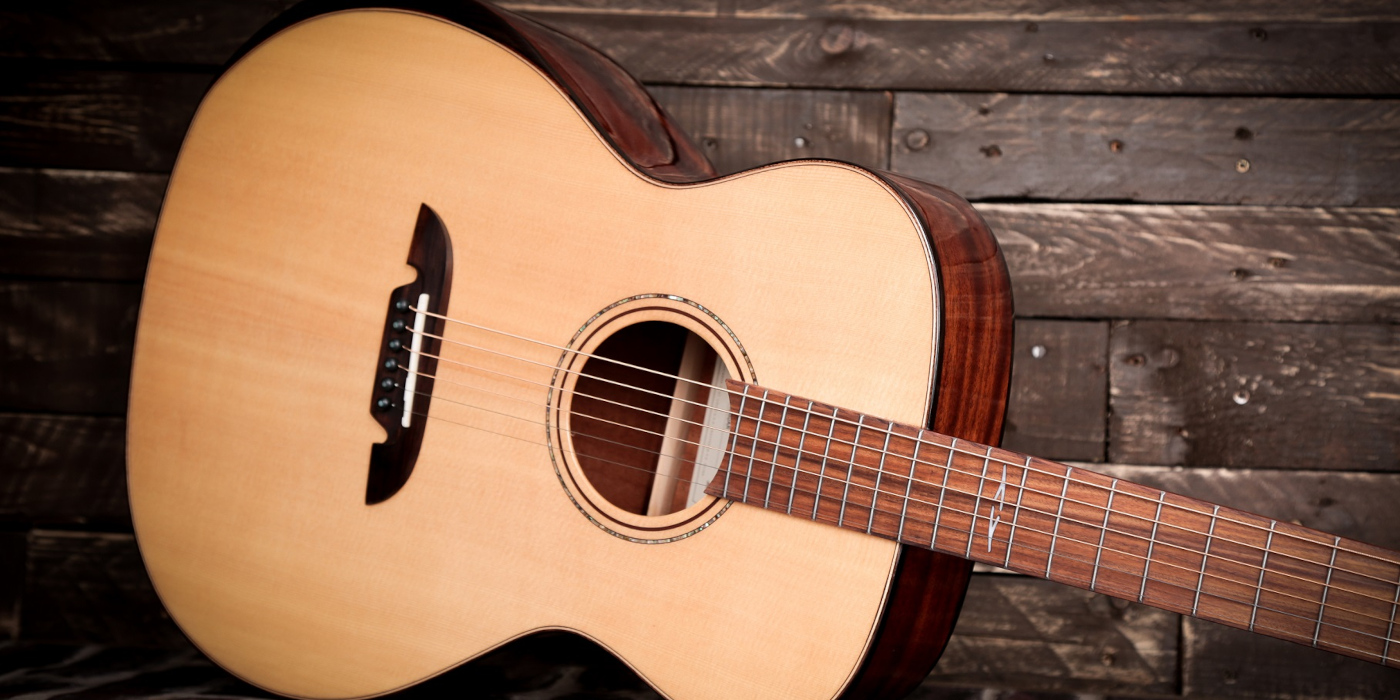
The Alvarez range is one of the most diverse collections of acoustic instruments on the market. Spanning everything from ukuleles and parlour-style guitars to dreadnoughts and baritone strummers, there’s something for everyone. The range also caters to a variety of budgets, with affordable entry-level options, cool mid-range instruments and luxurious pro-grade guitars on offer.
Here’s a quick summary of the Alvarez range:
- Yairi Series: The pinnacle of the Alvarez line. Designed by Master Luthier Kazuo Yairi and handcrafted in Japan from naturally seasoned tonewoods, these exceptional acoustics fuse the best of traditional and modern building techniques.
- Laureate Series: Inspired by the classic acoustic guitars of the past, Alvarez Laureate electro-acoustic guitars are built and voiced to be instantly responsive and articulate. They come fitted with the groundbreaking LR Baggs HiFi transducer pickup system.
- Masterworks Series: All-solid tonewoods with designs inspired by the undisputed classics of the guitar world. The Masterworks tagline says it all: ‘Truly Eloquent Professional Guitars’.
- Artist Elite Series: Premium instruments featuring unique tonewood combinations, eye-catching aesthetics and ergonomic appointments.
- Artist Series: The flagship line at the heart of the Alvarez brand. From budget-friendly solid-top dreadnoughts to rad 12-string acoustic guitars, there’s a model to suit almost every player.
- Regent Series: Proof that an entry-level acoustic guitar doesn’t have to feel disposable! With comfy slim neck profiles and quality design throughout, the Regent Series offers an accessible introduction to the Alvarez family.
Alvarez guitars on Andertons TV
Watch Ben strum through Alvarez’s Laureate range in our video below (he’s got some serious chops!):
Want to learn more?
If you’d like to dive deeper into the Alvarez range, check out these related articles:
And if you’ve enjoyed this piece, why not explore the rest of our learn and gear news content while you’re here?
Responses & Questions