



- What is the difference between a classical guitar and a regular guitar?
- Is classical guitar easier than acoustic guitar?
- Do you have to learn on an acoustic before progressing to an electric guitar?
- Want to learn more?
One of the most frequently asked questions by new customers, as well as one that I experienced at least once a week when I used to work as a guitar teacher, was what guitar should I get, a classical or an acoustic?
In this blog, I take a look at the key differences and try to answer some of the questions you ask when first thinking about diving headfirst into the alluring world of guitar.
What is the difference between a classical guitar and a regular guitar?
When most people say “acoustic” or “regular” guitar, they are often referring to a steel-string acoustic guitar. This is the acoustic guitar you’ve heard on countless songs from many of the most well-known artists, from Bob Dylan to The Beatles, Pink Floyd, The Rolling Stones and Led Zeppelin, as well as modern artists such as Radiohead, Oasis, Coldplay, Taylor Swift and Ed Sheeran.
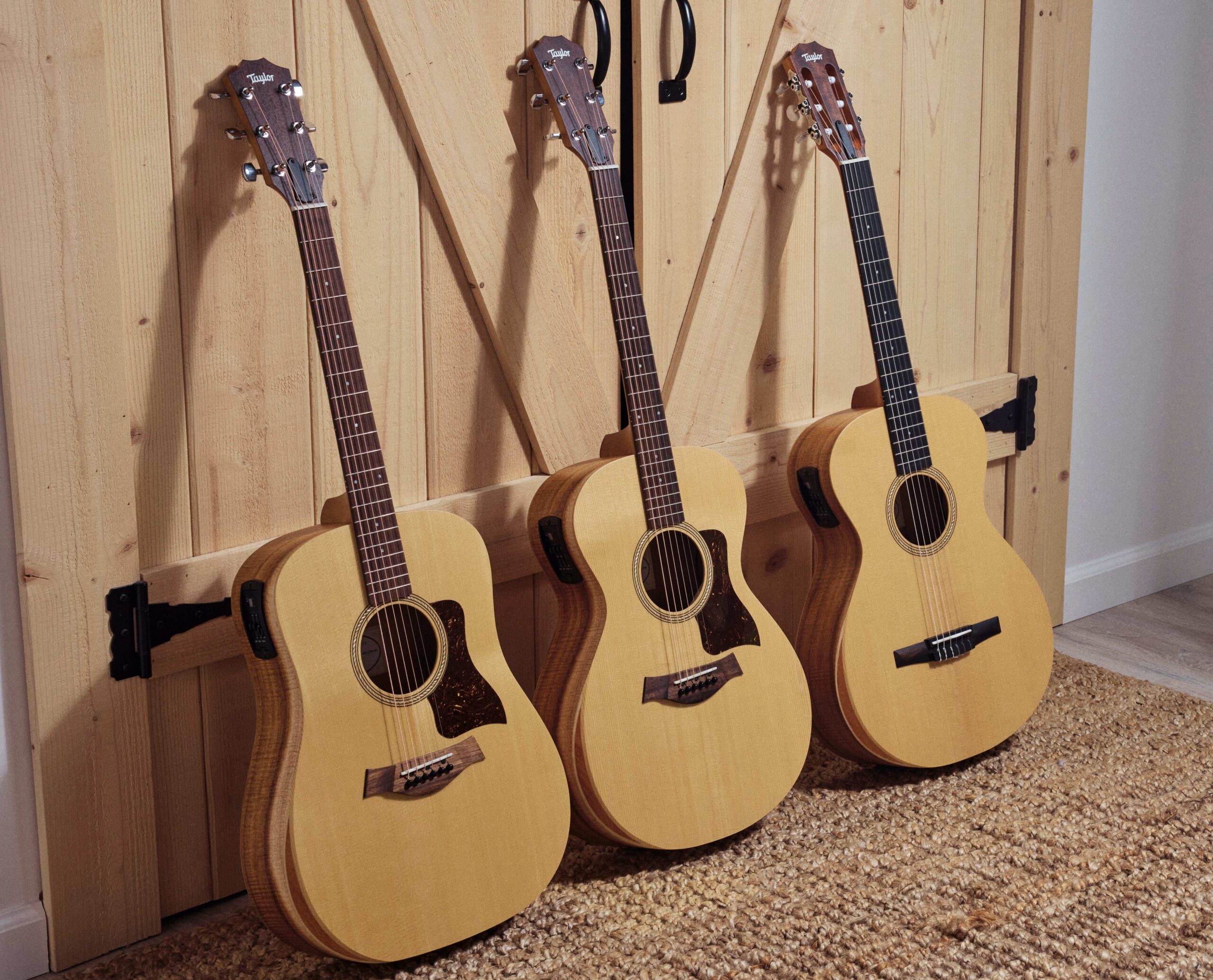
Although sometimes grouped into two categories, they are actually just two types of acoustic guitars. The main difference between the two is that one uses steel (metal) strings while the other uses nylon (plastic) strings.
There are a number of other, mainly constructional differences which I will get into a little later, but on the whole, they are very similar. Both have 6 strings and are generally tuned to ‘standard’ tuning (EADGBE), both feature a scale length (string length between the saddle and nut) of around 25.5”, and both usually have between 18-20 frets, depending on the specific model.
In short, anything you can play on a steel-string guitar, you can also play on a classical guitar and vice versa.
So, what are the differences?
Really, the key differences are the sound and the feel. The nylon strings on a classical guitar produce a much mellower tone, whereas steel strings are often loud, bright and present. The nylon strings can also feel softer to play.
Other key differences include…
- The Nut Width: Classical guitars generally come with a much wider 52mm nut width. This is because the modern classical guitar was developed in Spain in the late 19th century and was primarily designed to accommodate the playing styles and techniques required for the classical musical styles of the time. Modern steel-string acoustics typically feature a much narrower 43mm nut width, which is generally better suited for more contemporary playing styles such as chordal strumming and flat-picking.
- Lighter Construction: Nylon strings produce a much lower string tension compared to those found on a steel-string. Therefore, a classical guitar can typically be built with far less internal reinforcement. A steel-strung guitar will usually have an adjustable truss rod built into the neck, which is designed to help keep the neck straight under such high amounts of strain. Classical guitars generally don’t need this.
- Internal Bracing Pattern: One of the biggest differences between a classical and a steel-string acoustic guitar is the internal bracing pattern. This is a series of wooden braces which a) support the guitar’s top from the enormous pressures of the strings at pitch, and b) tunes the top to specifically resonate and move in a way that enriches and emphasises the vibrations of the strings. Due to both having such different tones, the bracing patterns are often significantly different.
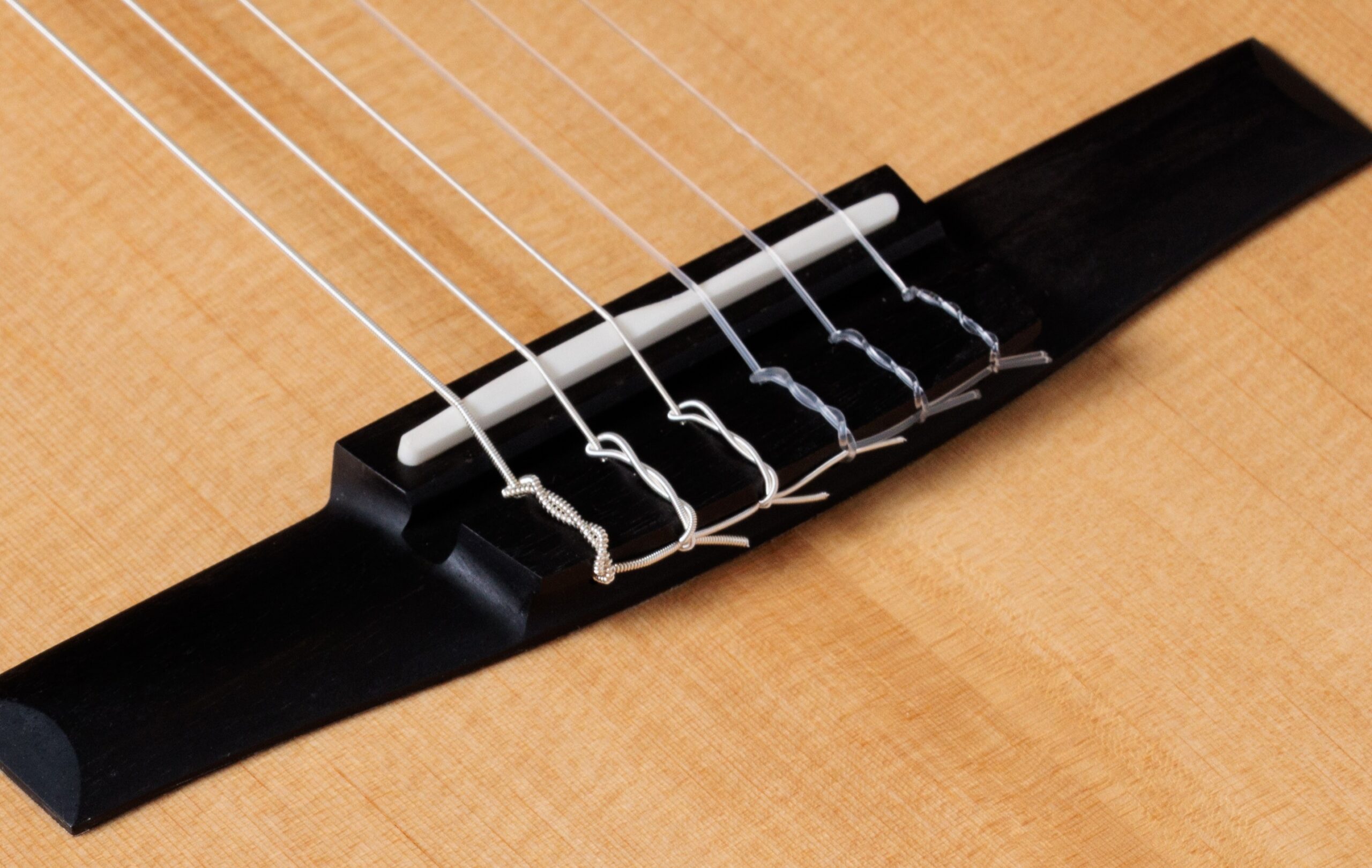
- Bridge and Tuners: Owing to the differing designs of the strings, particularly how they connect to the guitar at each end, the bridge and tuners differ slightly. On a steel-string acoustic, the strings usually feature a ‘ball end’, which is fed into the guitar’s body and held in place by a bridge pin. Because of the lighter tension and increased flexibility of a nylon string, classical strings are simply tied into place at the bridge. Also, classical guitars typically feature a slotted headstock with side-mounted (horizontal) tuners.
- The sound: Throughout this blog, I have mentioned a few times how nylon-strung classical guitars sound vastly different to steel-strung acoustic guitars. As previously described, in the most simplest terms, classical guitars typically sound warm and mellow, whereas steel-strung guitars sound bright and percussive.
Digging a little deeper, trying not to get too technical, when you hear an individual note from a musical instrument, you actually hear multiple, which sort of mould together to form one note. These are separated into the ‘fundamental’ and the ‘overtones’.
The Fundamental is the main note (pitch) of the sound and is the base sound you hear. The overtones are a whole series of higher notes and frequencies that ring out in combination with the fundamental. It’s these overtones that help form the overall timbre of the instrument. Classical guitars are designed and built to specifically capture the sound of the fundamental note, causing the sound to be more focused and warmer due to the lack of higher overtones. Steel-string guitars are often built to allow the overtones to ring more freely, creating a much brighter, resonant tone.
Is classical guitar easier than acoustic guitar?
Yes and no. As previously mentioned, nylon strings are softer and due to their reduced string tension, playing a classical guitar can feel slightly more forgiving on your hands and fingers. This is particularly useful when you first start playing, and you have not yet developed tough calluses on your fingertips. This makes classical guitars a great tool for getting the basics down.
With that said, if your intention is to use a nylon guitar for its initial purpose – i.e., classical or Spanish music, then classical guitar certainly is not any easier than a steel-string acoustic guitar. Many of the techniques and chord voicings required for these playing styles require years of practise and dedication to master. All types of guitar playing, whether it’s acoustic, classical, electric, jazz or anything else, have techniques which are suited for beginners and others for more advance player. It’s simply a case of finding the style you want to dedicate your time towards and putting in the time.
Do you have to learn on an acoustic before progressing to an electric guitar?
This was another question I got commonly asked when teaching guitar. The answer, put simply, is no! You do not need to start your guitar journey on an acoustic if your ambition is to play an electric guitar. Yes, as stated above, classical acoustic guitars can be a bit more forgiving for the fingers when compared to a steel-string acoustic or electric guitar; however, if you have no interest in the sound of a classical guitar, then ultimately I would recommend just jumping straight into electric. Learning any new skill is hard, and in reality, there will be a period of time where you might not sound as good as you hoped, and you may feel disheartened and contemplate giving up. Trust me, we’ve all been there! You don’t want to add to this by playing an instrument that you don’t actually like the sound of. If you want to play an electric, then get an electric!
Want to learn more?
If you love staying up to date with the latest kit chatter, our gear news page is one to bookmark. For full-on nerdy deep dives and practical how‑to guides, check out the learn section.
Responses & Questions