



Pickups are an integral part contributing to the sound of an electric guitar, as they detect string vibrations and generate electrical signals that can then be sent into an amplifier. Not only do the ‘pick up’ the sound, but they also have a huge bearing on the tonal properties that defines the sound of every type of guitar. There are two broad categories that most pickup designs can be grouped into: the single-coil and the humbucker. I’ll get to P90s later, but for now, it’s enough to know that they are a variation of a single-coil pickup with their own unique sound.
Die-hard Stratocaster or Telecaster players will wax lyrical about the dynamism of the single-coils, while Les Paul aficionados will praise the thick, articulate notes of the humbucker. Yet there is so much space in between both legendary tones, defined over decades of pickup tweaking and innovation. Each of the main pickup designs, P90s included, tend to lend their tones to certain musical genres, but there’s nothing to stop you from getting creative with what you have available and applying their unique sounds in new and exciting ways.
Single-Coil Pickups
The Single-coil guitar pickup is the reason why we are all here today as electric guitarists. It was tested and tinkered with throughout the 1910s and 20s with the aim to allow guitars to compete for volume in a big band setting. The first commercially available single-coil pickup was designed by Adolph Rickenbacker and George Beauchamp in 1931 and featured on the lap steel ‘Frying Pan’ guitar.
How single-coil pickups are made
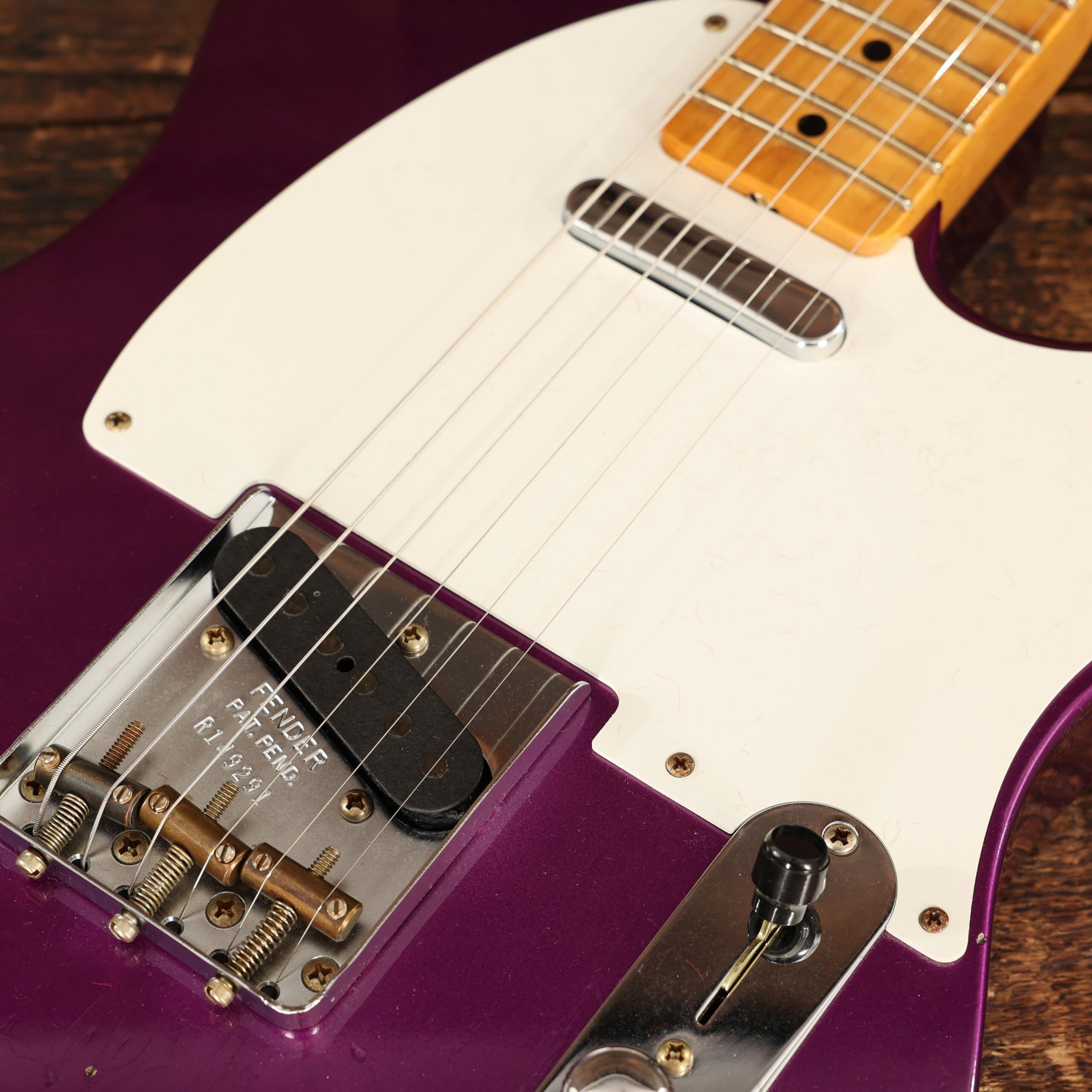
Today, the design formula remains largely the same based on core principles, consisting of copper coil wound horizontally around vertically placed magnetic pole pieces. A base and frame (collectively known as a bobbin) stop the coil from shifting. The magnet projects a magnetic field and interacts with the coil to create a current that is connected to volume and tone pots, and then on to the output jack.
What do single-coil pickups sound like?
Single-coil pickups on the whole sound bright, articulate and a bit twangy. The classic Telecaster’s single-coils create a clankier, glassier crisper tone, with less of an emphasis on midrange frequencies. A Stratocaster’s single-coils are often a bit hotter in output and push more through the midrange.
Single-coils can cover pretty much every musical genre but are most closely related to the formative genres in which they emerged, those being rock, jazz, blues, pop, RnB, folk, and, later, indie music. You can still get excellent hard rock and metal tones with a bit of tweaking and especially with the Stratocaster single-coil, which often possesses more output and thump than their Tele counterparts. Achieving high-gain tones are often best achieved in post-production when recording where it’s possible to remove the spikier dynamics of the EQ.
If you’re turning up the gain or fuzz through your amp for live performances, consider using compression pedals to keep volume and attack consistent or a noise gate to kill unwanted sound in between notes. Some single-coils can struggle with substantial amounts of distortion dialled in on your amp. Modern “hum-cancelling” designs go some way to eliminate the unwanted feedback.
Who makes single-coil pickups?
The illustrious Leo Fender was the most successful guitar builder to market the modern instrument using single-coil pickups. In 1948, the Fender Esquire was released with one single-coil in the bridge position. A year later, the Telecaster added a second to the neck position. With these creations, he would ignite the future of guitar playing. Fender continues to equip most of their guitars with updated “noiseless” single-coils.
Other guitar companies and pickup brands have created their own single-coils, such as Gretsch with the crisp and twangy HiLo’Tron, Danelectro with the super thin sounding lipstick pickup or Seymour Duncan, Lollar and TV Jones with their own unique iterations of the famed design. Almost every major pickup brand has its own version of a single-coil, be it vintage in character, hot-rodded or even an active pickup version.
Who uses single-coil pickups?
Jimi Hendrix, Mark Knopfler, Stevie Ray Vaughan, David Gilmour and John Mayer – there is an exhaustive list of incredible world-renowned guitarists who have developed their distinct sounds with the use of single-coil pickups.
.JPG?w=400&h=400&&fit=fill&bg=FFFFFF)


.png?w=400&h=400&&fit=fill&bg=FFFFFF)




Responses & Questions