

- How can Pedals replace my traditional Amp setup?
- Amp in a Box
- Amp Simulator
- Digital Modellers
- Preamp Pedals
- Pedalboard Amps
- Conclusion
Possibly one of the most spoken about topics among guitarists right now is how common it’s becoming to go to a live show and not see a single amp onstage. With guitar rigs getting smaller all the time and more players than ever choosing to go ‘direct’, it’s getting increasingly harder to ignore the benefits of effortless load-ins and near-silent stages, especially with so many pedals now sounding and feeling closer than ever before to the real thing. It’s no surprise that ‘ampless’ rigs have exploded in popularity over the last few years.
With more gear than ever available, it’s sometimes tricky to pin down exactly what is best for you, especially when looking at a group of pedals which all do a very similar thing but all in quite different ways. Not to mention, with the added complication of so much overlap of features as well as shared guitar tone ‘buzzwords’.
With some pedals designed to simply capture the character of a classic amp, while others made to fully simulate or model, and some built to act as a complete portable rig with speaker driving capabilities – it’s no longer a question of can a pedal replace a rig, but more which pedal could you choose to replace your rig.
How can Pedals replace my traditional Amp setup?
There is so much overlap between pedals designed to mimic or replace an amp, and to make matters even more confusing, it’s fairly common for one type of pedal to be described as another. From overdrives and distortions being described as Preamps to Amp Sims labelled as Amp in a Box pedals, getting your head around what’s what can quickly turn into a guitar pedal minefield.
To try and keep things simple, I have categorised the 5 main types of pedals that I think could easily replace any traditional amp set-up, based on my understanding of pedals and their topology. These are:
- ‘Amp in a Box’ (AIAB) styled pedals
- Amp Simulators
- Preamp Pedals
- Digital Modellers
- Pedalboard Amps
In this blog, I will deep dive into what each type of pedal is, how they can be used and what application each one is best suited for.
Amp in a Box
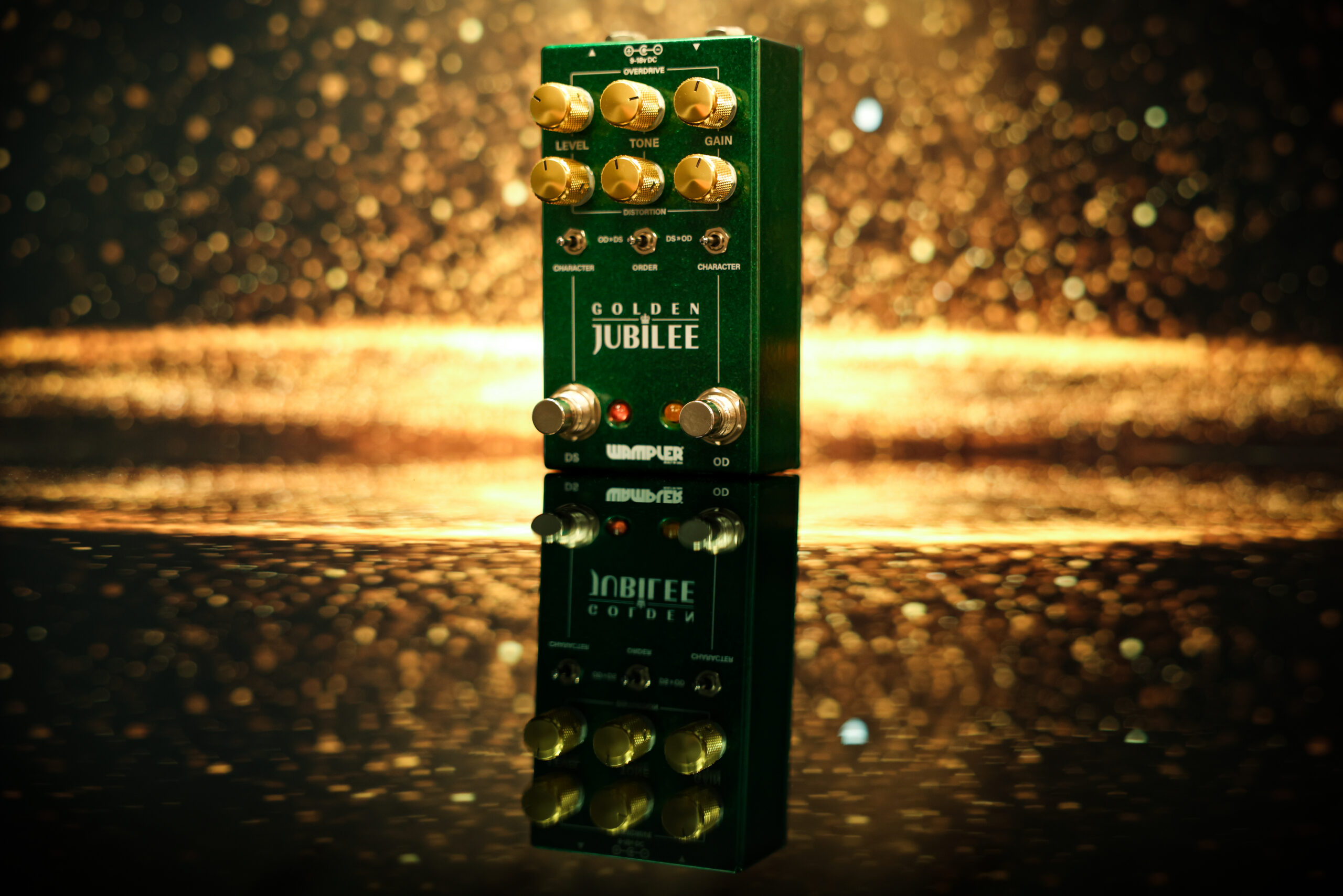
What is an Amp in a Box pedal?
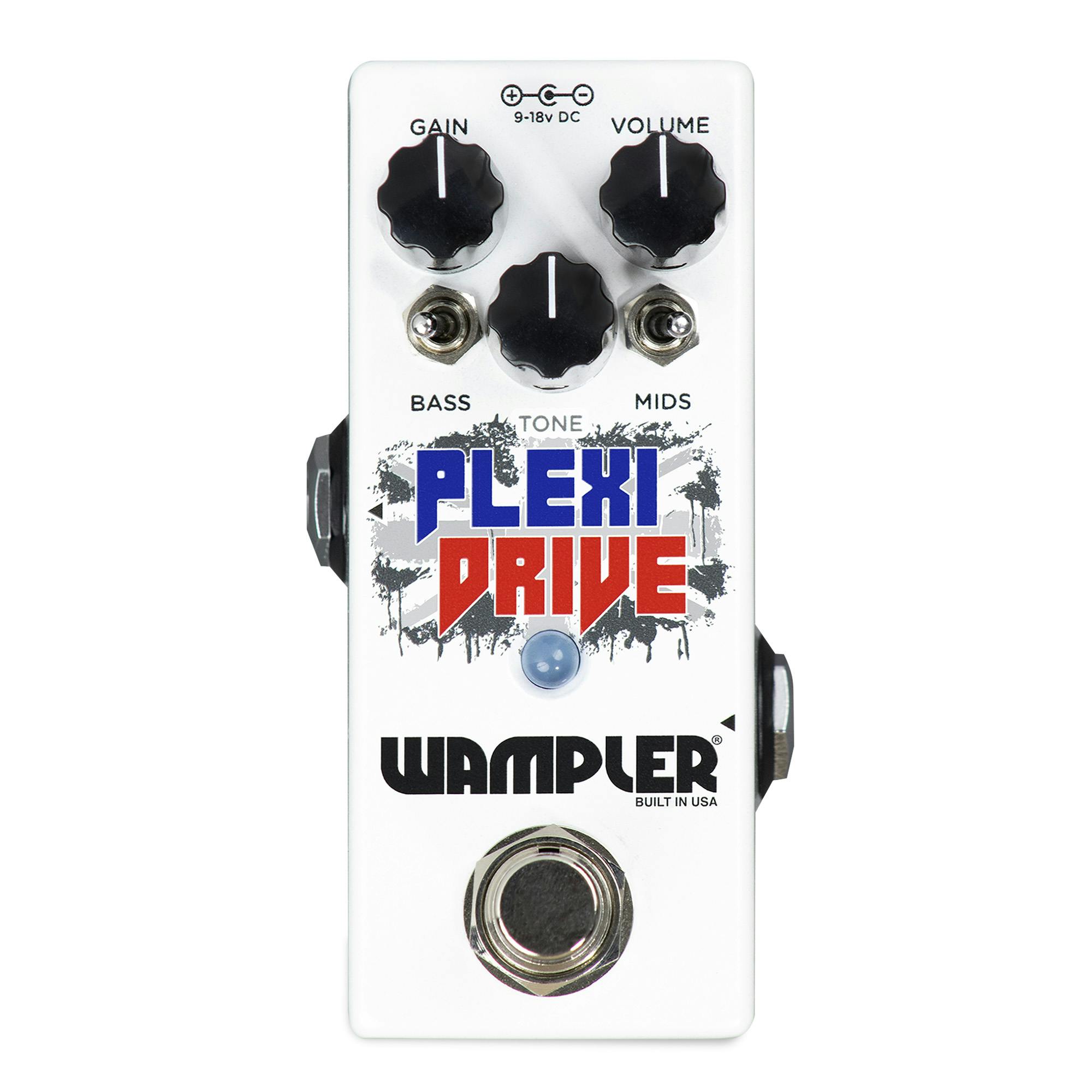
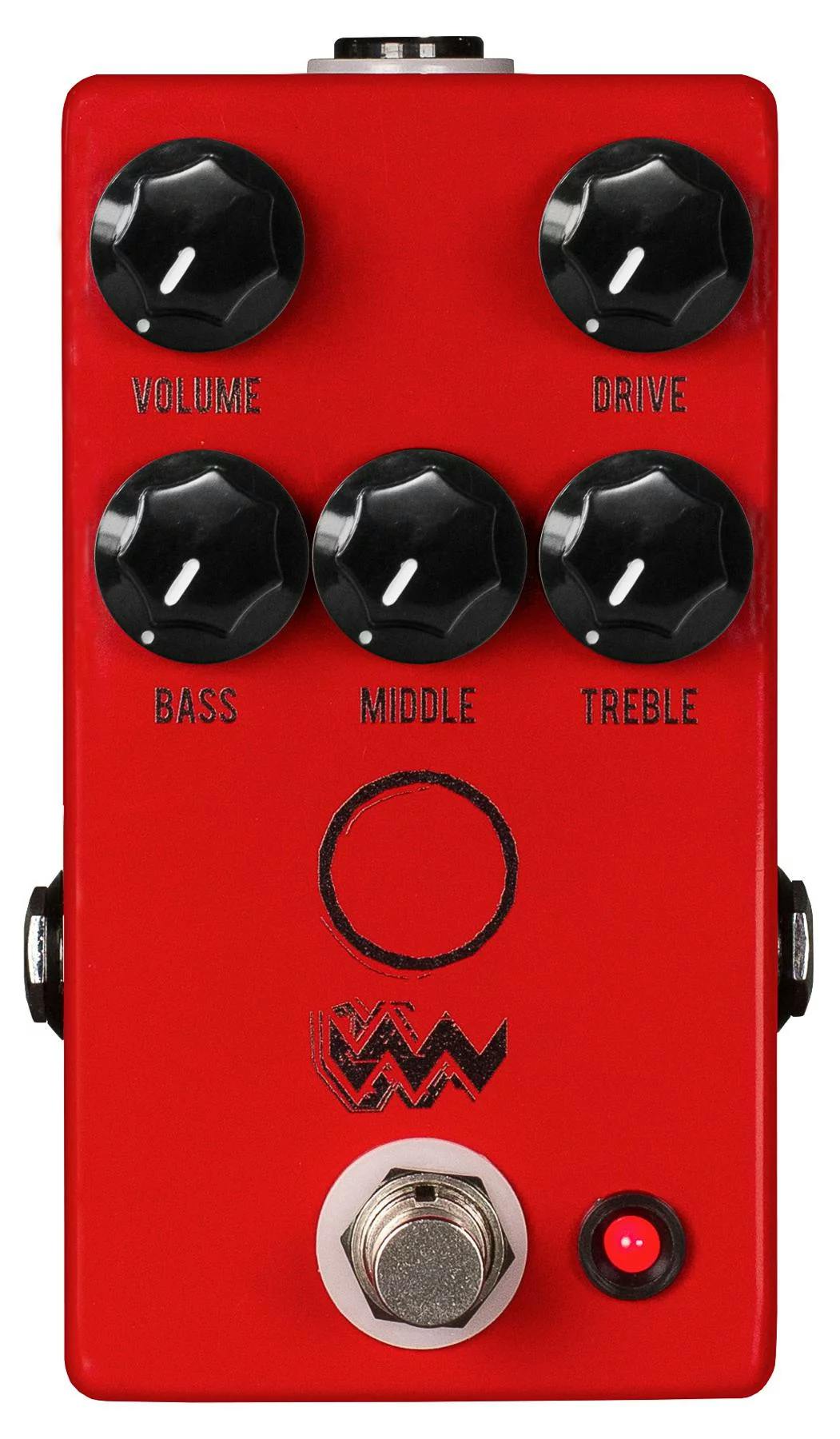
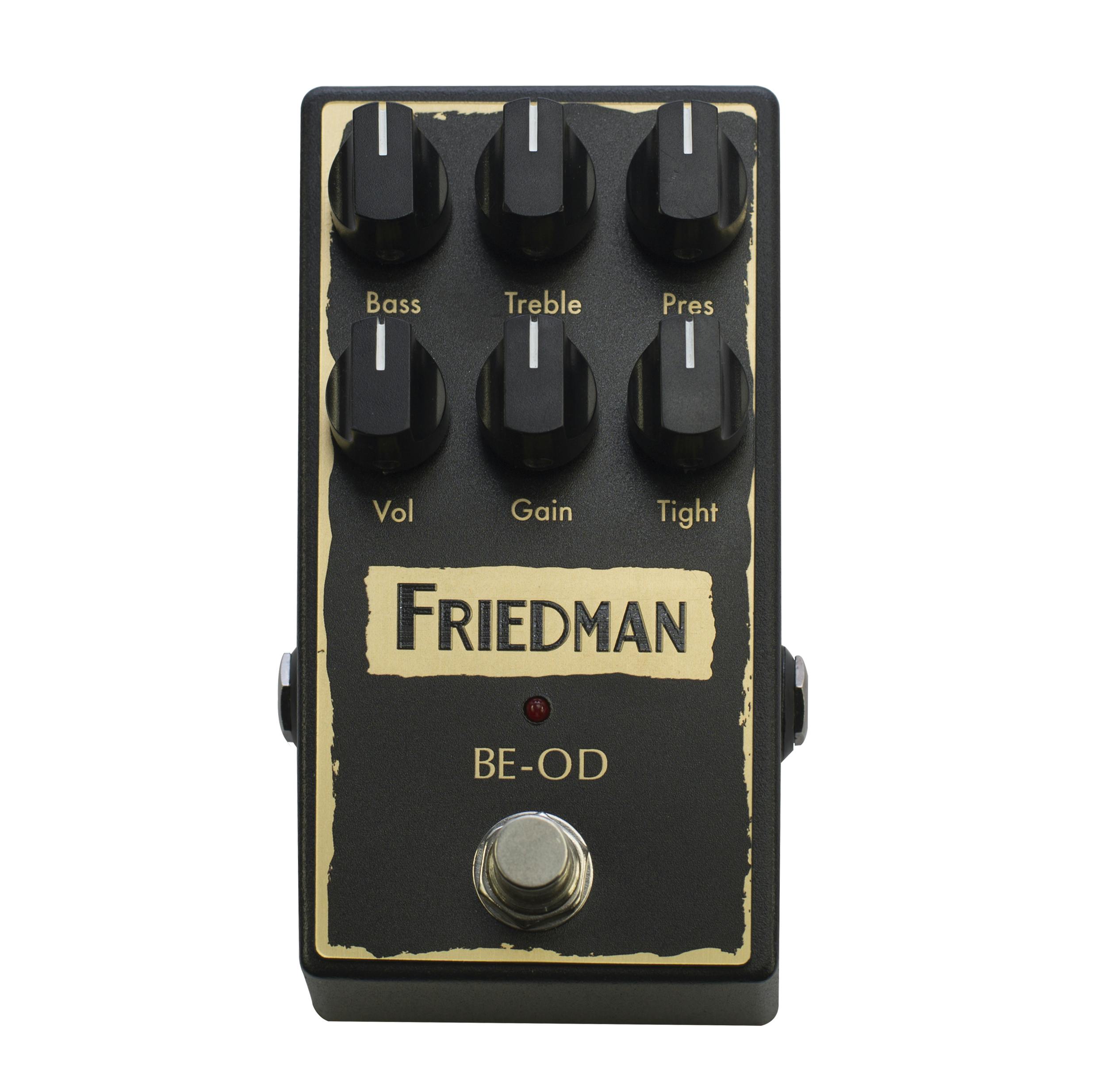
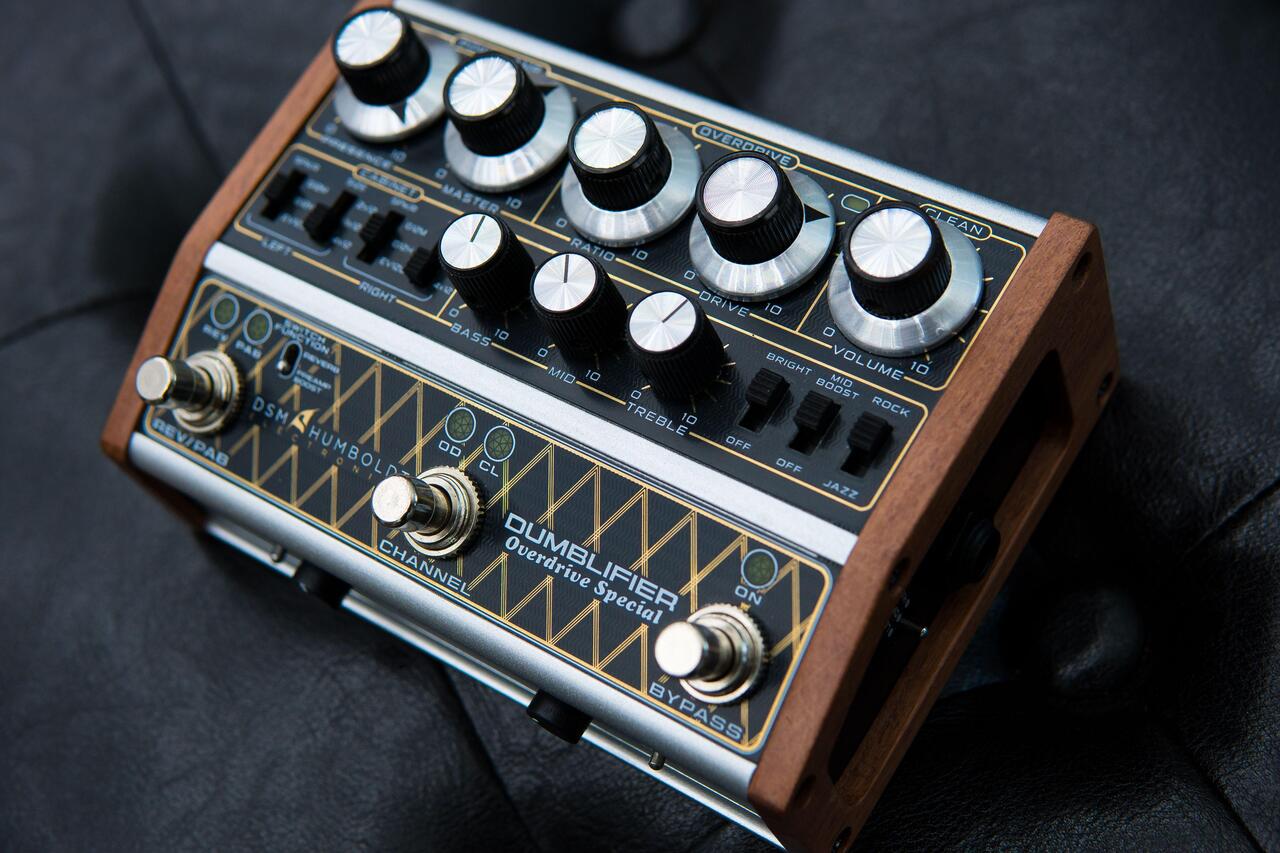
Originally rising to popularity in the late 90s/early 2000s, Amp in a Box Pedals allowed players to add a flavour of another amp to their existing rig without the additional expense or size of another amp. Usually taking place in the ‘dirt’ section of a pedalboard, these pedals often utilise clever analogue circuitry and heavy EQing to provide the tonal character of a legendary valve amp at the click of a button.
Who are Amp in a Box pedals for?
This style of pedal is the perfect solution for those who love the core sound and most importantly – feel, response and attack of their existing amp but perhaps want to add a different voice, e.g. a Marshall or Soldano, for a specific song or section or perhaps even as a lead tone.
It’s also a great option for those who perhaps are in situations where backline amps are often provided, and players want a pedal that can be used to make that amp sound more like their usual amp of choice.
Where do Amp in a Box pedals go in the signal chain?
Amp in a Box-style pedals typically go in the dirt section of a pedalboard with your other overdrives and distortions. There is no hard rule, but I usually like to place mine last in my gain pedals to sort of mimic other overdrives (Tube Screamers, Klons, etc) going into the AIAB pedal and pushing it harder. Just like if you were to put an overdrive pedal in front of a traditional valve amp.
Amp Simulator

What is an Amp Simulator pedal?
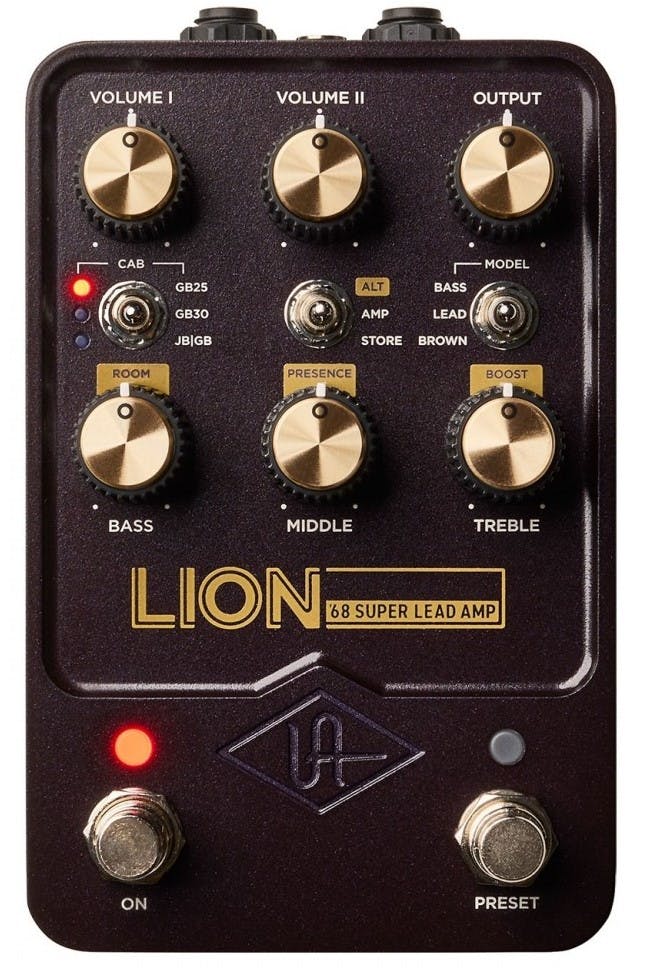
Amp Simulator pedals simulate the entire guitar amp from the preamp to the power amp, as well as the speakers or cab. They usually just focus on one specific amp or style of amp (although there are some exceptions), and to me, their key selling point is their amp-like simplicity. Often featuring enough outputs for use with PA systems, studio monitors or powered speakers and frequently including headphone and USB outs, Amp Simulator pedals are perhaps the simplest way to make your rig silent.
Many Amp Simulator pedals feature IR (Impulse Response), allowing the player to experience not only the typical sound of a direct guitar speaker like the sounds often heard on older cab sims, but also the cab as a whole, as well as the microphones used to record it and even the room itself. Together helping to create an experience not too dissimilar to what it’s like having your favourite amp mic’d up in the live room while you’re playing in the control room.
Who are Amp Simulator pedals for?
Amp Simulator pedals are the perfect option for players who have just one or two core amp sounds and simply want to make them silent – all while still maintaining the tone, character, feel and response of the original amp. Whether this is for a ‘silent’ stage setup, practising late in the night or even as a quick recording tool, an Amp Sim has it all covered.
Amp Simulator pedals are also the perfect ‘fly rig’ solution for situations where it’s not feasible to transport your regular setup. With a footprint often small enough to cram into the front pocket of a gig bag or backpack, they are an easy way to guarantee you get the tone you love, no matter the circumstances.
Where do Amp Simulator pedals go in the signal chain?
Typically, an Amp Simulator pedal takes the place of an amp – e.g., the last thing in a signal chain. From there, an Amp Sim pedal can then be plugged into a PA (or other powered speaker source) for a direct sound, headphones for practising or into a recording interface (via the pedal outs or even straight into a computer if the pedal you choose features a USB out).
Digital Modellers

What is a Modeller pedal?
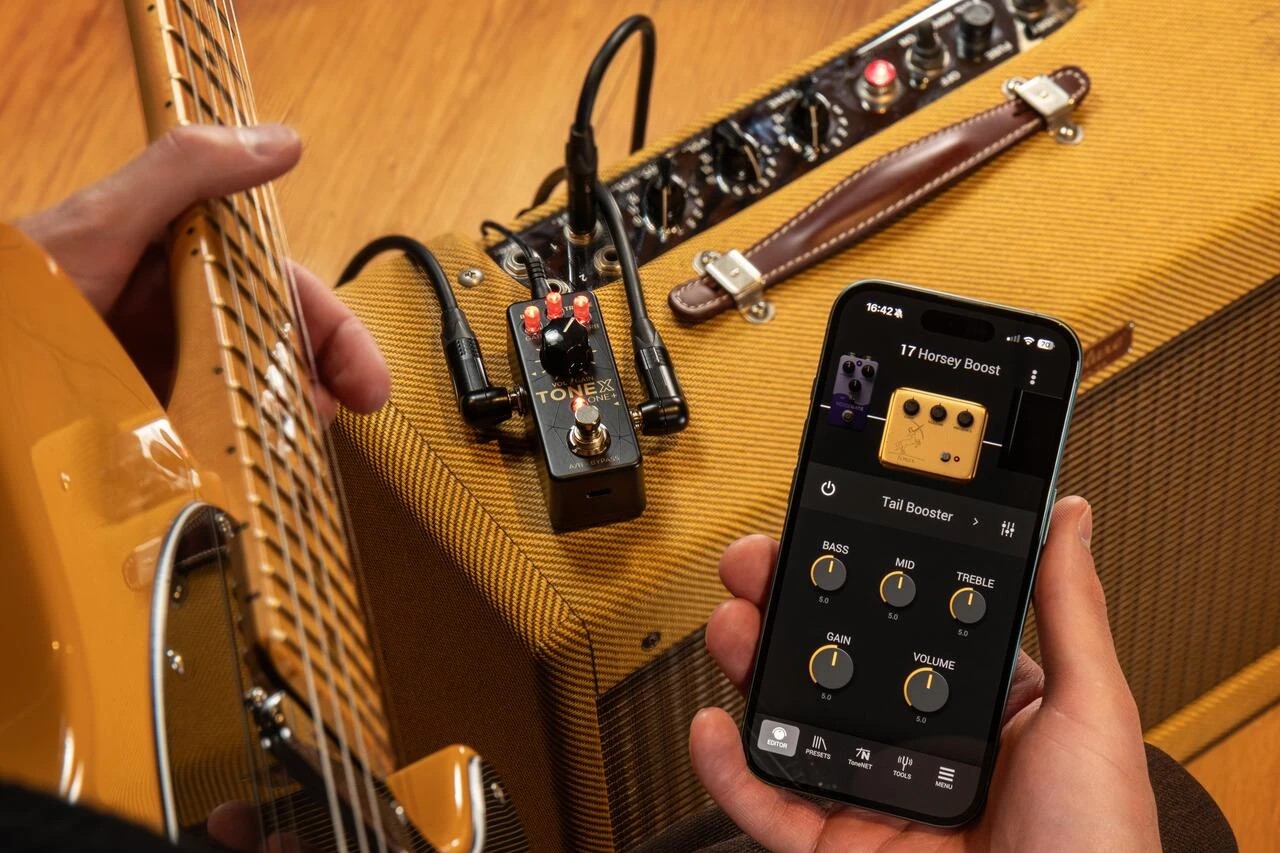
Digital Modellers are the most feature-packed and advanced options for an ‘ampless’ electric guitar setup. Unlike everything else currently listed, Digital Modellers, for the most part, literally offer you pretty much every major amp type and more. They can replace an entire rig from conventional effect pedals, such as overdrives and modulations, to amps and cabs, and even utility pedals such as tuners and loopers. More advanced systems offer cutting-edge DSP processing as well as powerful amp profiling (or captures), together with IR for the most life-like digital simulations ever created.
Who are Modeller pedals for?
Digital Modeller pedals are for players who don’t want to be tied to one or two things. With Modelling pedals to suit just about every budget, they are the perfect way to really explore different tones and genres and experience different rigs and setups without needing to bust the bank every week. They are also the perfect choice for players after the most efficient all-in-one guitar tone solution for home, stage or even the studio.
Where do Modeller pedals go in the signal chain?
Modellers typically go last in the signal chain and are plugged directly into a PA (or other powered speaker source, such as studio monitors or a powered cab) or into a studio set-up (either via jack/XLR outputs or USB, depending on the Modeller you choose) or into headphones for silent practice.
Another way Modelling pedals can sometimes be used is directly into a traditional amp’s effect loop (via the return) or into a power amp device so that it can be used with a conventional guitar speaker cabinet.
Preamp Pedals

What is a Preamp pedal?
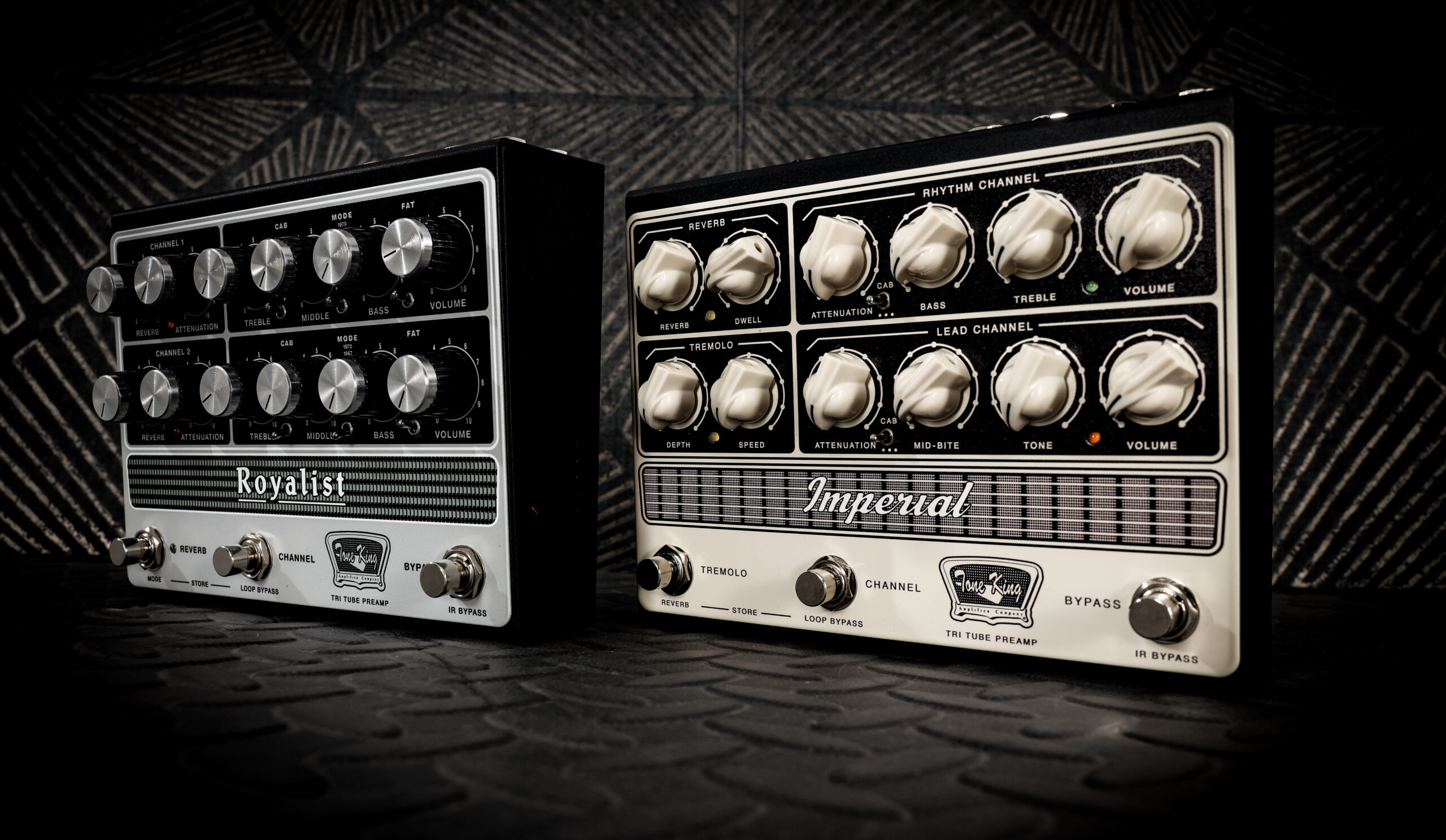
Preamp pedals are the pedal type that gets the most confusion, as a preamp can mean so many things, from a glorified EQ to a full-on distortion pedal. There’s also a lot of overlap with many Preamp pedals, also including features typically found on Amp Simulator pedals, such as recording outs and built-in IRs. In this context though, a Preamp pedal is a pedal which is designed to be used with a Power amp. Just like you’d find in a traditional amp. USUALLY, Preamp pedals are analogue, and for the most part, they literally take the preamp section from a classic amp and simply build it into a pedal, with some even including the valve gain stages!
Who are Preamp pedals for?
With many arguing that Preamp pedals often offer the most realistic tone, feel and response of all the pedal rig setups, Preamp pedals are the perfect choice for players who really like to home in on the small details.
Where do Preamp pedals go in the signal chain?
Preamp pedals are usually built to go last in the signal chain, directly into some form of Power amp, so that they can then be plugged into a guitar speaker cab. Although there are some which are built to also work as a sort of Amp in a Box-style pedal, they typically perform best going into a Power amp rather than directly into the input of a traditional amp. This is because Preamps are inherently designed to have a louder signal compared to a typical guitar effects pedal, meaning that when placed in-line with other effects or directly into an amp input, they can cause some unwanted side effects such as increased gain or noise.
If used with a traditional guitar amp with an effects loop, one of the most effective and commonly used methods of using a preamp pedal is with the 4-cable method. This utilises the Preamp pedal in the amp’s effect loop and allows you to effortlessly switch between your amp’s built-in preamp and the preamp pedal, allowing you to effectively add an additional channel to your amplifier.
Preamp vs. Power Amp
In the most simplest terms, a preamp shapes the guitar’s tone and also sets the guitar’s gain level; however, preamps generally are only as loud as line level (even less than 1W). It’s a Power Amp’s job to amplify this signal to an audible volume, as well as providing enough power to drive a speaker cabinet. There are tonnes of Power Amps for electric guitar on the market, but here are some of our favourite…
Pedalboard Amps

What is a Pedalboard Amp pedal?
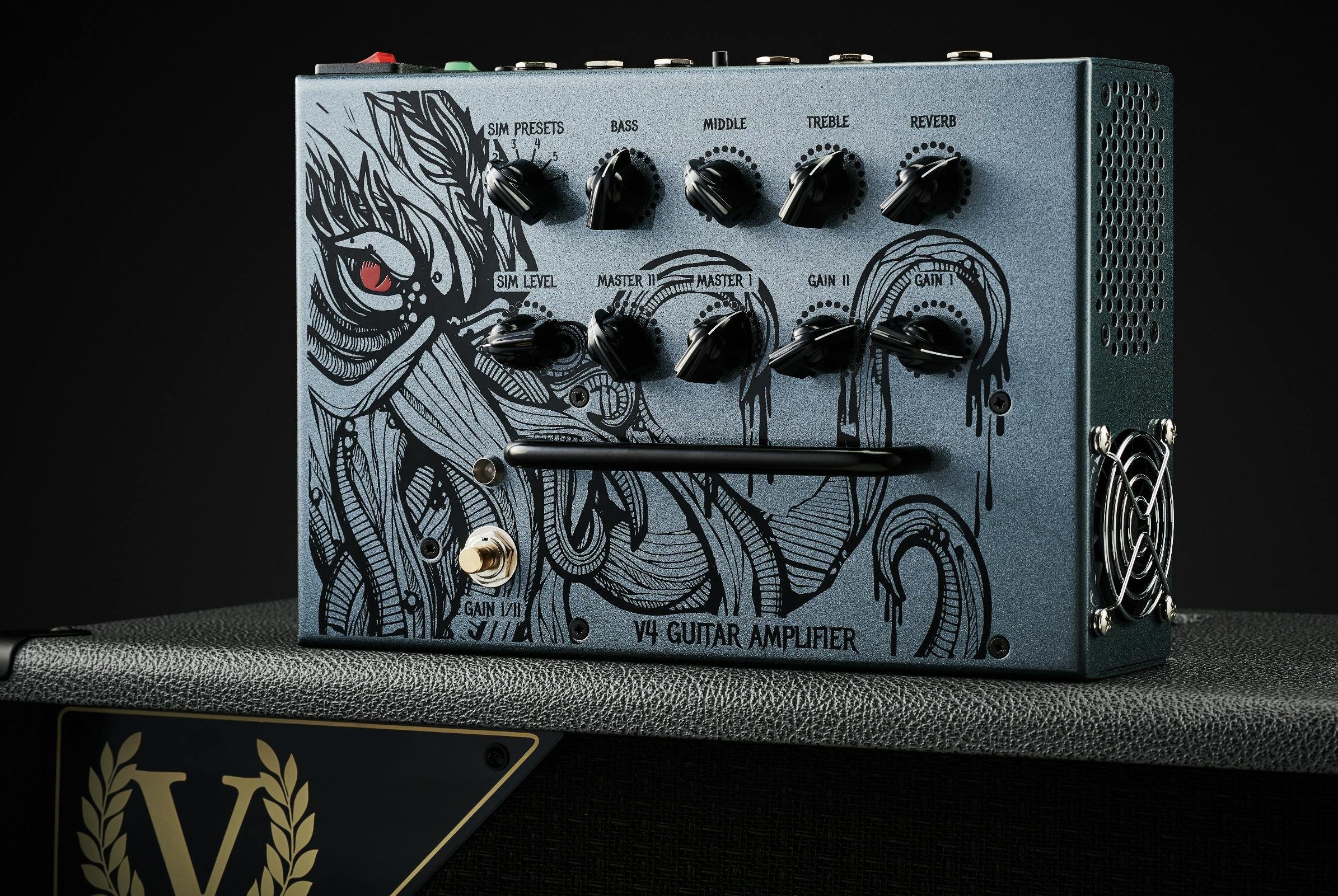
A Pedalboard Amp pedal is quite literally a guitar amp that has been neatly shrink-rayed into a pedal-sized enclosure. Just like a ‘normal’ amp, Pedalboard Amps usually come equipped with enough umph on tap to drive a speaker cabinet, enabling the player to experience the feel and resonance of a real speaker being driven, whether at home, on stage or in the studio. However, for even more versatility, Pedalboard Amps often also feature headphone and line-level outputs with onboard cab-simulation allowing players to effortlessly connect to a PA or Audio interface as well as silently practise.
Who are Pedalboard Amp pedals for?
Pedalboard Amps are the perfect solution for those who are set on 1 core sound and want the portability and connectivity of an Amp Simulator pedal, but also want a solution that can be used the ‘traditional’ way with a cab.
Where do Pedalboard Amps pedals go in the signal chain?
Pedalboard Amps are usually placed last in the signal chain, just like a traditional amp.
Conclusion
Whether you simply want to add a different flavour to your existing setup or perhaps want an entirely new rig built for silent stages, effortless recording and practising into the night, pedals are a perfect way to achieve this.
With so many options available at budgets to suit everyone, it’s the perfect way to experience and experiment with sounds you may not typically try. And remember, this blog is just a guide to help you figure out what you may want to try for yourself – many of the greatest guitar tones were found by breaking ‘rules’ and experimenting with pedal placements.
Want to learn more?
If you love staying up to date with the latest kit chatter, our gear news page is one to bookmark. For full-on nerdy deep dives and practical how‑to guides, check out the learn section.
Responses & Questions