



- 1. Creates a productive hobby
- 2. Keeps boredom at bay
- 3. Develops discipline
- 4. Serves as relaxing downtime
- 5. Forms physical benefits
- 6. Supports academic development
- 7. Enhances listening skills
- 8. Trains their memory
- 9. Improves social skills
- 10. Boosts their confidence
- FAQs
With many UK schools facing budget cuts, music is unfortunately one of the subjects feeling the impact. Here at Andertons, we’re passionate about helping people of all ages discover the joy of playing, and we strongly believe every child should have the opportunity to experience the benefits of music education. After all, we’ve been Making Musicians Since 1964.
In this blog, we’ve rounded up 10 ways learning a musical instrument can help children grow, from boosting creativity and confidence to supporting academic development and social skills. Whether your child’s picking up a guitar, a pair of drumsticks or taking their first piano lesson, they’ll gain skills that can stay with them for years to come.
1. Creates a productive hobby
You might think it’s too early to talk about the long-term benefits of learning an instrument, but speaking from experience, the impact can last well into adulthood. I’ve played electric guitar for more than 20 years, having started out on a children’s guitar when I was 11. And looking back, learning an instrument gave me far more than just a hobby. It taught me the value of practice and dedication, and helped shape many of my interests as I grew older.
Having a hobby from a young age can also help children discover their passions and talents. Whether that influences the subjects they choose at school, the friends they make or even the career path they follow later in life, music can play an important role in their personal development. Plus, it’s a great way to get them away from their screens for a while!
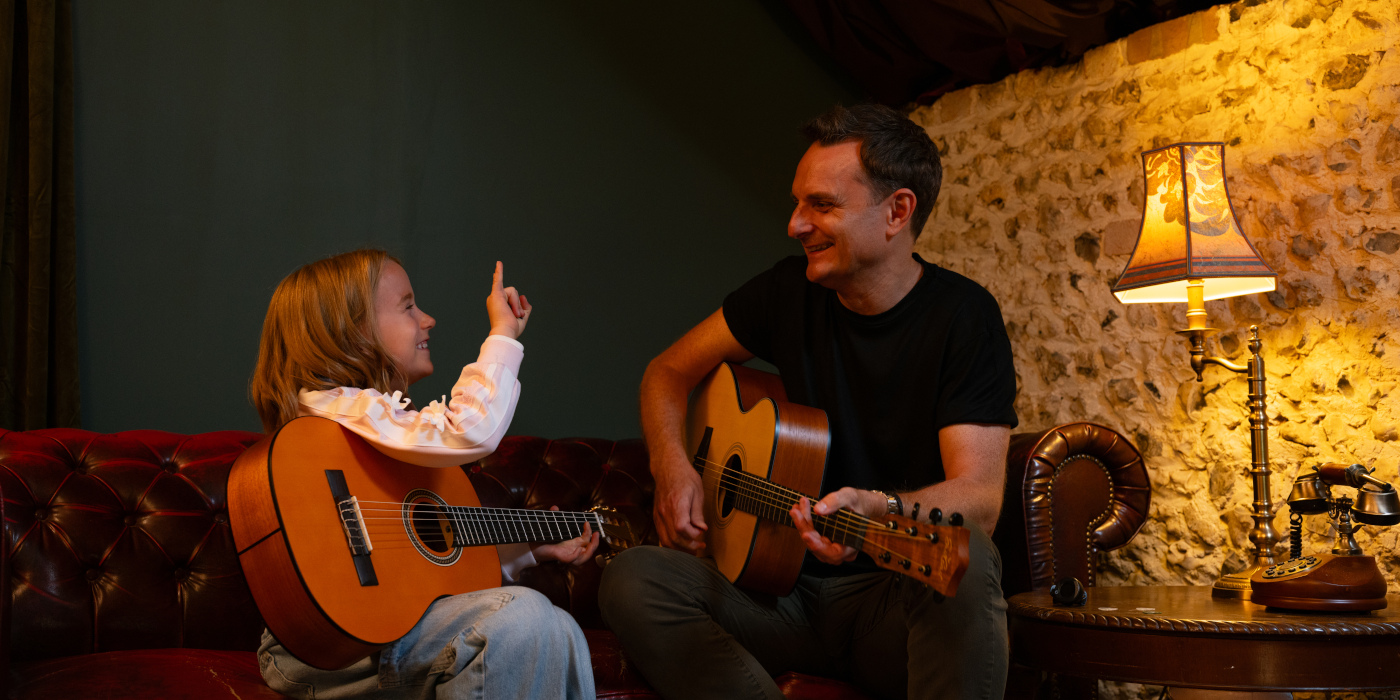
2. Keeps boredom at bay
Before I took an interest in music, I often found myself glued to my Game Boy playing Pokémon. And don’t get me wrong, video games are great fun and can be a brilliant way to unwind or stay connected with friends. But when I discovered the guitar, I found something that kept me engaged in a totally different way.
Learning an instrument as a child gave me a creative and productive outlet that I could always come back to. Practising songs, learning cool new techniques, setting myself fresh challenges — there was always something to work towards.
That’s one of the great things about music: there’s no finish line. No matter how much you improve, there’s always something new to discover.
3. Develops discipline
One of the most valuable lessons that comes with learning an instrument is discipline. Improving your skills takes time, consistency and commitment, whether that’s practising chords on a guitar, learning scales on a piano or nailing a beat on the drums.
For children, developing discipline early can have lasting benefits. Setting aside regular practice time helps build good habits, encouraging them to stay focused and work towards long-term goals. These are skills that can prove useful at school and later in life.
And with discipline comes patience. Progress doesn’t happen overnight, and some techniques can take weeks or even months to master. Learning to embrace that process teaches kids the value of perseverance and helps them understand that getting better at something takes dedication and effort. After all, every great musician starts somewhere.
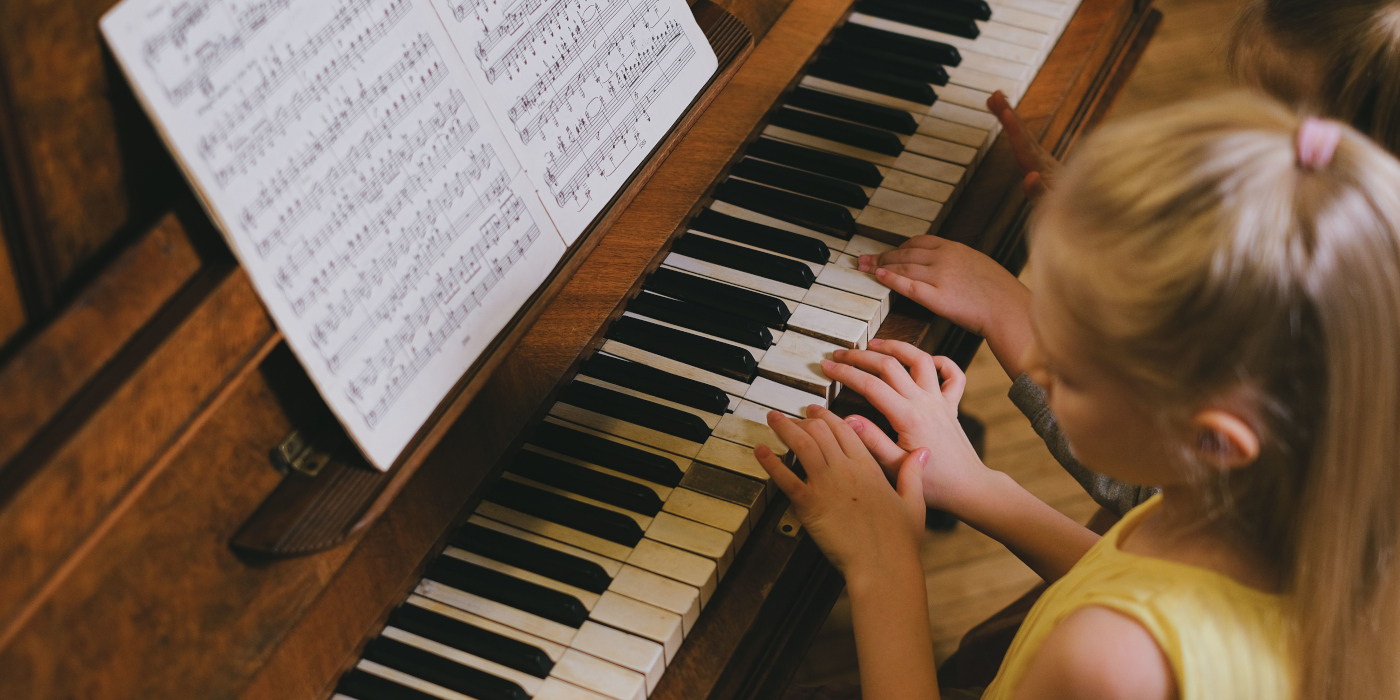
4. Serves as relaxing downtime
For me, playing guitar has always been a great way to switch off. When I was at school, I couldn’t wait to get home and jam along to my favourite bands. After a day spent focusing on lessons, it gave me a chance to be creative and do something that genuinely made me happy.
That’s one of the many great things about learning an instrument — it can provide a healthy way to unwind. When you’re practising a song or perfecting a new technique, it’s easy to forget about everything else for a while. And as a child, having an activity that helps you relax and recharge can be incredibly valuable. Even as an adult, picking up one of my electric guitars after a busy day remains my favourite way to clear my mind.
5. Forms physical benefits
Many instruments require both hands to work together in harmony. And playing riffs on a guitar or moving up and down the keys on pianos are movements can help develop coordination and fine motor skills.
At first, getting both hands to work independently can feel almost impossible. But with regular practice, those movements gradually become second nature. Drummers take things a step further, often learning to coordinate all four limbs at once, which can help improve timing, reflexes and overall body coordination.
These physical skills can prove useful in all sorts of everyday activities, from sports and exercise to practical tasks later in life — even learning to drive!
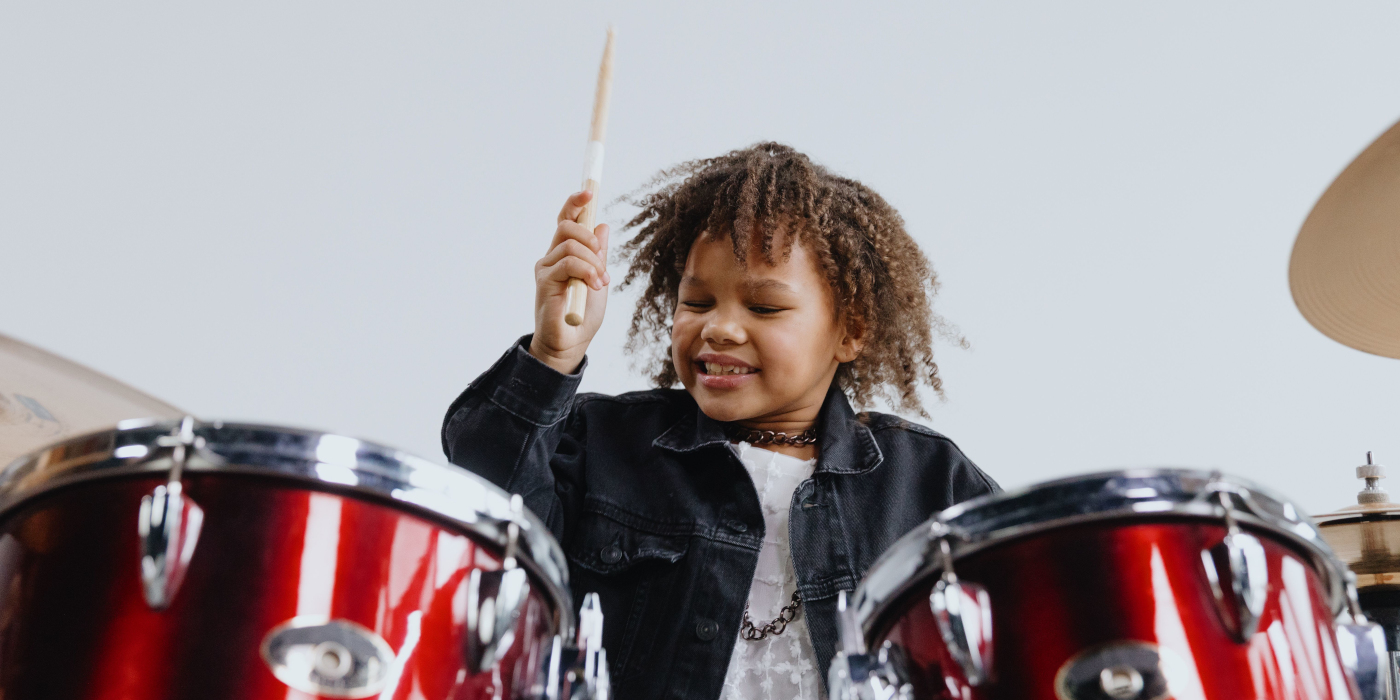
6. Supports academic development
Many of the skills developed through learning an instrument can also support a child’s education. It’s not just about discipline and perseverance either, as music naturally overlaps with several school subjects, particularly maths and science.
Understanding note values, time signatures and rhythms involves counting, patterns and problem-solving. Learning to read music requires concentration and the ability to process information quickly too, helping children develop skills that can be handy in the classroom as well as the practice room.
For guitarists, even reading tablature involves recognising numbers and patterns across the fretboard. And as their playing develops, they’ll also build a greater understanding of musical relationships such as pitch, intervals and harmony.
Music shares strong links with science as well. Topics such as sound, vibration and acoustics are all rooted in physics. Whether it’s understanding how sound travels through a room or how different materials affect an instrument’s tone, music can help bring scientific concepts to life in an engaging and memorable way.
7. Enhances listening skills
Learning a new song or piece of music requires careful listening. As children grasp how to pick out melodies, recognise rhythms and play riffs by ear, they develop their ability to listen closely and pay attention to detail.
Over time, they’ll also start to recognise the unique characteristics of different instruments and how they work together within a piece of music. This not only helps them become better musicians but also boosts focus and active listening that can be useful in everyday life. These abilities will be especially valuable when playing with other musicians, helping them develop timing, awareness and confidence in group settings.
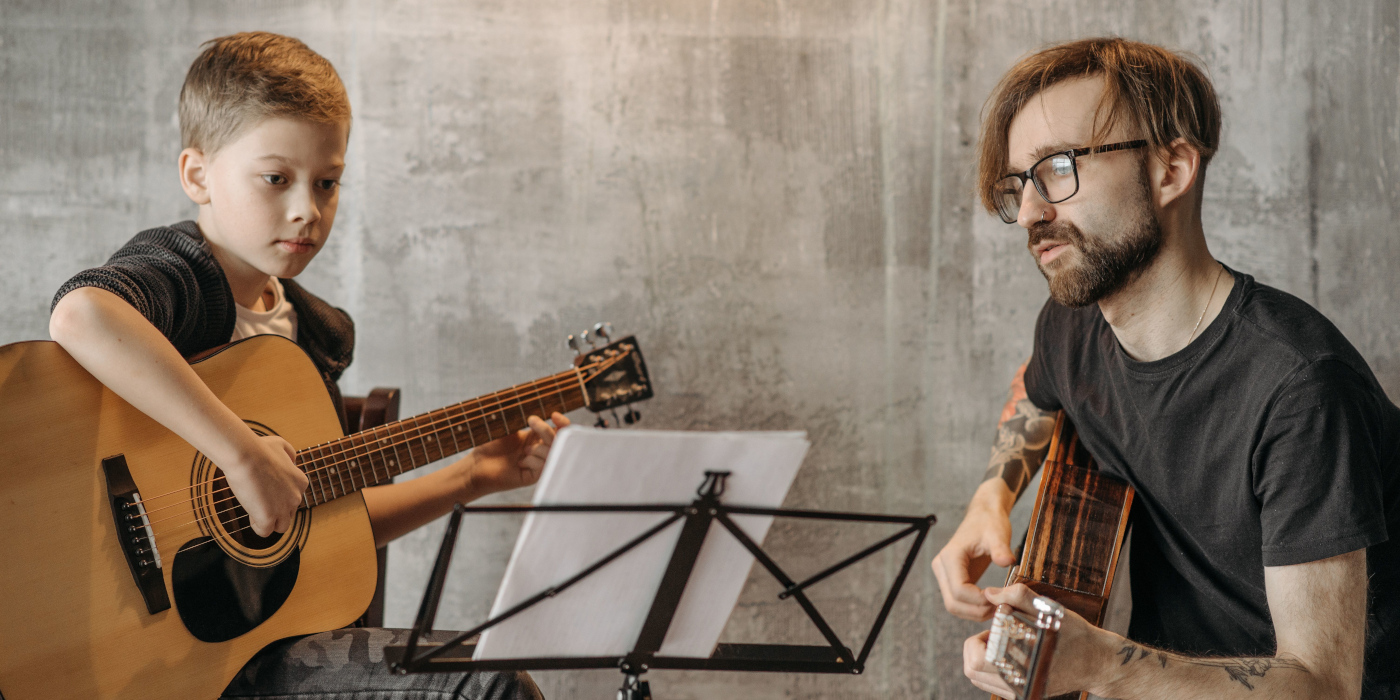
8. Trains their memory
Learning a song is, in many ways, a memory exercise. Remembering chords, scales, sheet music and lyrics encourages children to store and recall information on a regular basis.
While this can be hard at first, it’s all part of the learning process. As children practice and build their repertoire, they’ll naturally strengthen their ability to remember patterns, sequences and techniques. These memory skills can be useful in other areas too, like revising for exams.
For some musicians, sheet music or notation acts as a helpful guide. Pop and rock players, on the other hand, will often memorise entire songs and performances. Either way, developing a strong musical memory is an important part of becoming a proficient musician.
9. Improves social skills
Playing a musical instrument can open the door to all kinds of social opportunities. Joining a school band, performing in concerts or simply jamming with friends gives children the chance to connect with like-minded people who share their interests.
Learning to play alongside others also encourages teamwork, communication and cooperation. From listening and adapting to different playing styles to working towards a joint goal, these experiences can help children build social skills that will benefit them throughout their lives.
10. Boosts their confidence
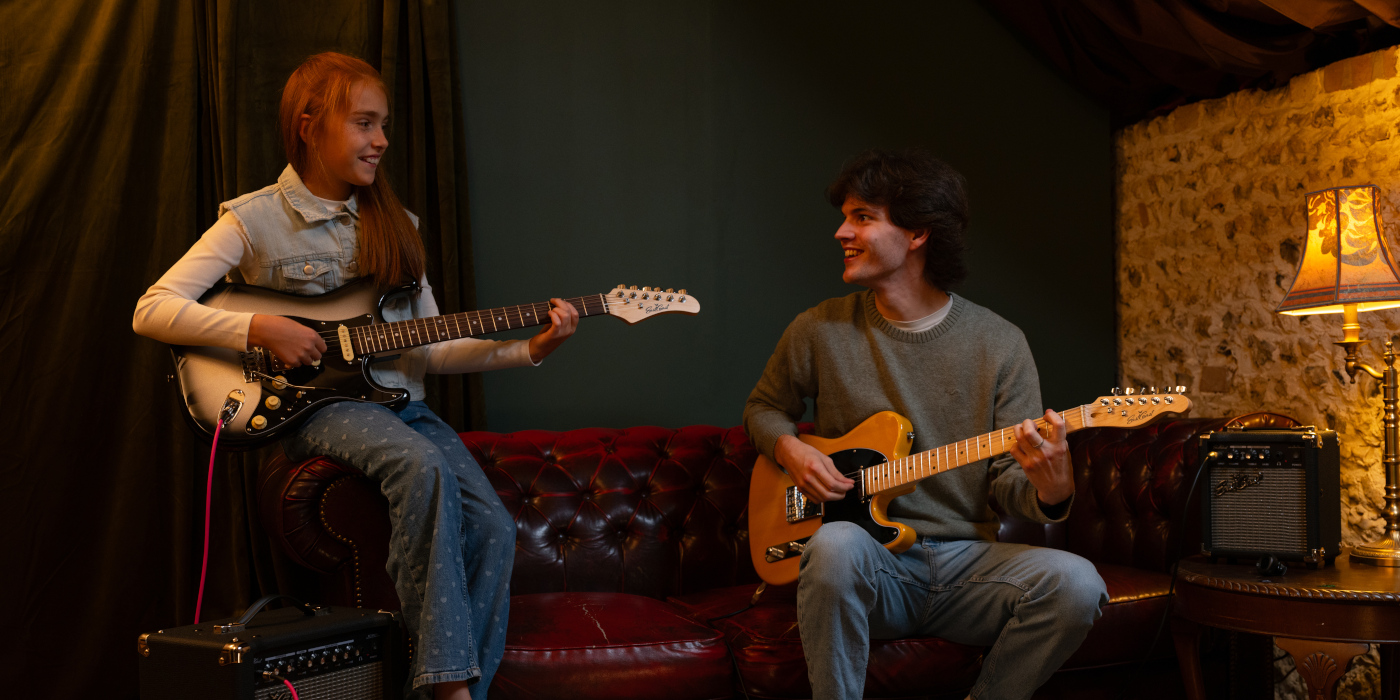
Standing on a stage with a guitar or smashing away on a drum kit just looks cool, and every musical milestone helps a child grow in self-belief. While performing in front of others can be nerve-racking at first, confidence often builds with experience. And the more opportunities children have to share their playing, the more comfortable and self-assured they tend to become.
Music also teaches children how to respond to feedback and use it positively. Learning how to overcome mistakes, accept constructive criticism and keep improving helps build resilience and drive. Over time, that mindset can benefit them in many other areas too.
FAQs
What is the best guitar for beginners?
Choosing the right beginner guitar can make all the difference when starting your musical journey. EastCoast guitars are a fantastic option, having been designed by the team here at Andertons specifically with new players in mind. They’re affordable, easy to play and available in a range of acoustic and electric styles. For an even easier start, check out our EastCoast guitar starter packs. These include everything you need to get rocking, such as an amplifier, strap, gig bag and more.
Better still, renowned online guitar tutor JustinGuitar has spent some time exploring the EastCoast range, and gives it his full approval for beginners looking to start playing. Here’s what he has to say:
“Having played a lot of budget instruments, I can confidently say that EastCoast guitars are by far the best bang for buck I’ve tried. They all had a ‘low action’ (the strings are easy to press down) which is perfect for beginners, meaning less finger pain and a lot more fun!”
What’s the easiest instrument to learn?
There’s no single “easiest” instrument to learn, as it often depends on your interests and goals. That said, instruments like ukuleles, keyboards and acoustic guitars are popular choices for beginners thanks to their accessibility and the wealth of learning resources available online. The best instrument to learn is ultimately the one that excites you the most, as you’ll be far more motivated to practice and improve!
Which keyboard is best for beginners?
For beginners, the Yamaha PSR-E283 is an excellent place to start. It offers a wide range of sounds, built-in learning features and an intuitive layout that’s easy to get to grips with. If portability is a priority, the Carry-on folding piano range is also worth considering. These innovative keyboards fold down small enough to fit into a backpack, making them perfect for practising at home or taking to school.
What’s the best beginner drum kit?
The best beginner drum kit depends on your environment and budget. If you’re looking for a traditional acoustic setup, the Mapex Comet is a great-sounding starter kit that’s built to last. Prefer something quieter? Electronic drums such as the Alesis Turbo X and Roland TD-02K allow beginners to practice with headphones, making them ideal for homes with neighbours or anyone wanting to keep noise levels down while learning.
Which instrument is best for school?
Instruments that are portable, versatile and commonly used in school music programmes tend to be great choices. Keyboard, classical guitar, ukulele and violin are all popular options, as they’re easy to transport and can be used in a variety of musical settings.
Want to learn more?
Our Learn section is packed with helpful advice and tutorials for musicians of all experience levels. Looking for the best first guitar or piano? Start with our Best Instruments for Beginners page, then explore our full range of Instrument Buyer’s Guides.
Responses & Questions