



- 10 questions with Does It Doom’s Steve Reis
- Does It Doom pedals on Andertons TV
- Follow Does It Doom online
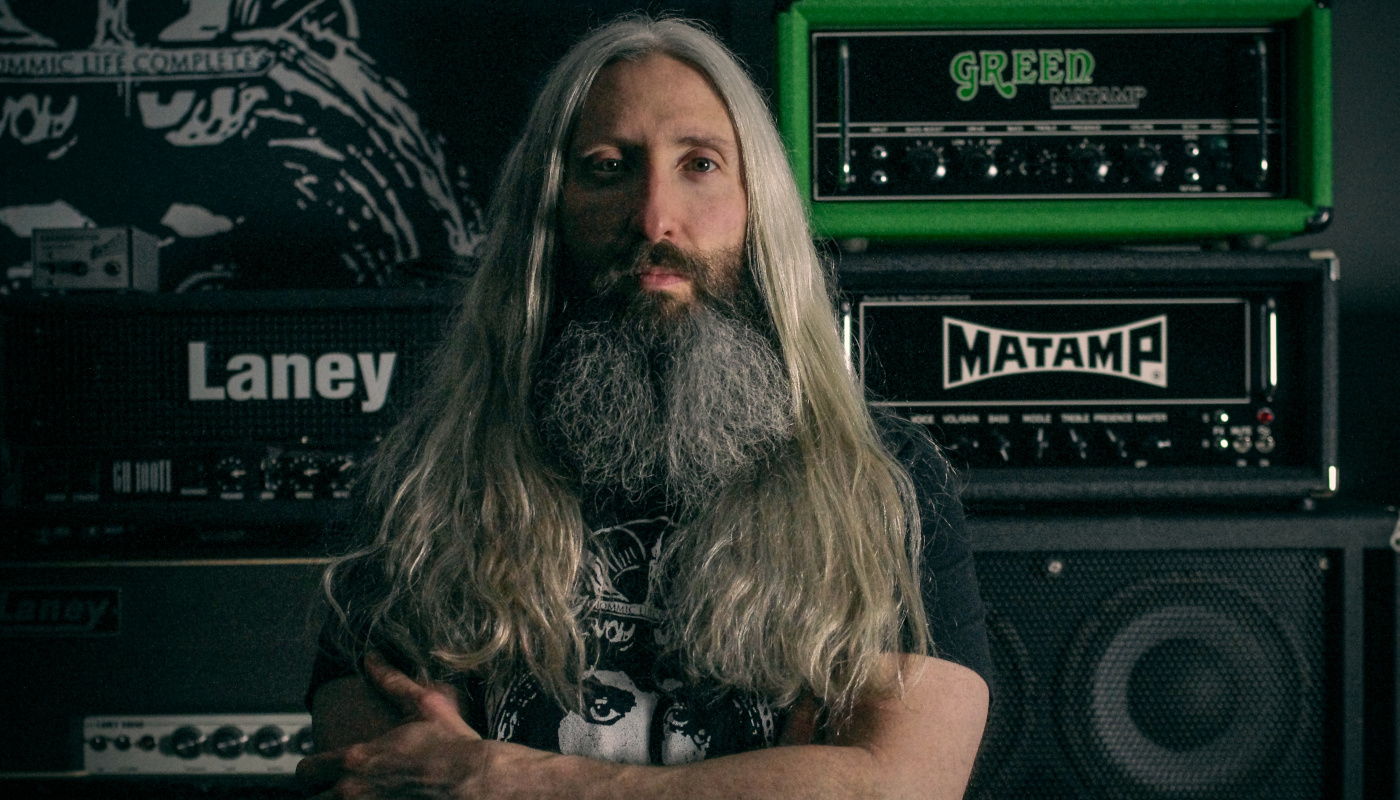
Haven’t heard of Does It Doom? We’d be surprised, as their guitar pedals are loud enough to wake the kraken! A favourite among the stoner, sludge, doom and drone faithful, these mighty stompboxes are the brainchild of Steve Reis, creator of the popular YouTube channel of the same name.
Steve’s channel has become a go‑to haunt for deep‑dive doom lessons, seriously hefty gear demos and the occasional mystical detour into guitar theory. His passion for all things heavy is properly infectious, and his vids often spotlight his own range of effects.
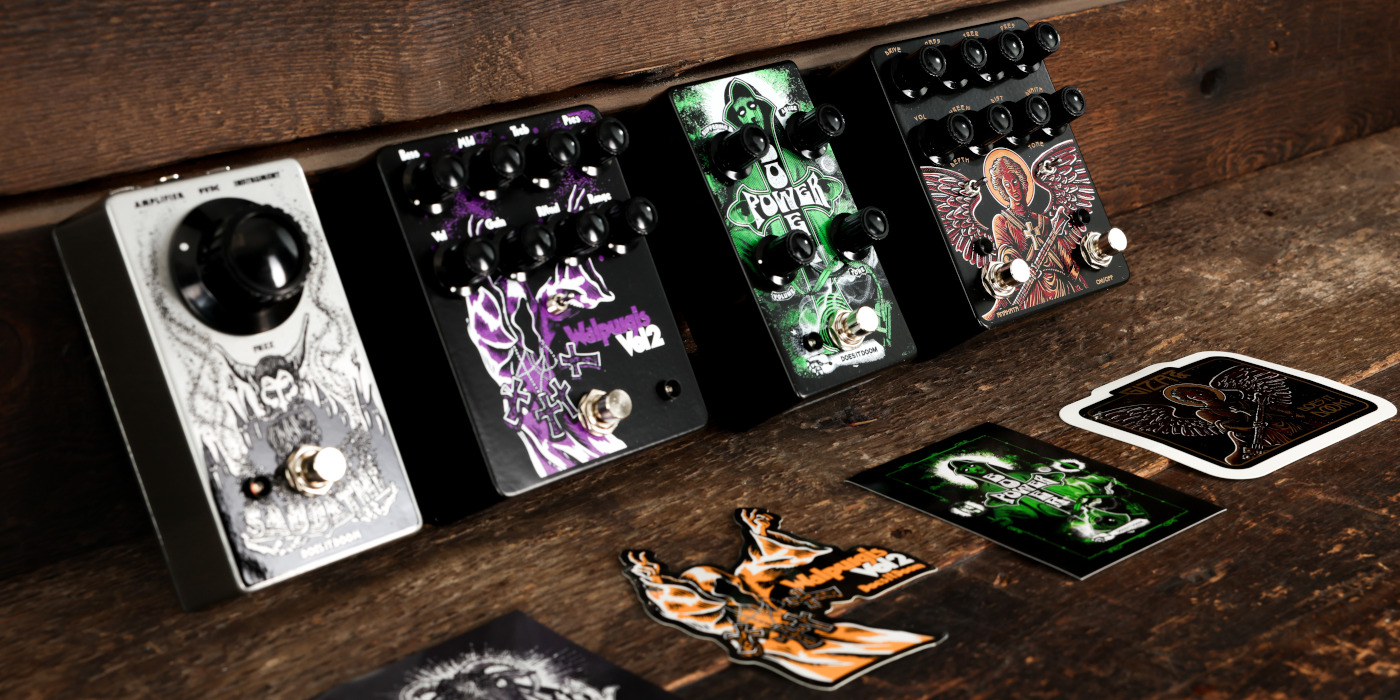
The lineup is packed with fuzzes, distortions, preamps and overdrives that emulate punishingly loud amps and classic vintage circuits. We’ve just started stocking ’em here at Andertons, so we caught up with Steve to dig into his beginnings, what makes his pedals special and why one (or the whole lot) might just deserve a place on your board.
10 questions with Does It Doom’s Steve Reis
When did your love for doom metal begin?
My love for doom metal really took hold in my mid-teens when I first discovered Black Sabbath. Before that I was mostly into punk bands like Misfits, Samhain, Black Flag and Minor Threat. There was a big Danzig following where I grew up, and that scene definitely shaped my early taste in heavy music.
I stayed a huge Sabbath fan for years, but another major turning point came in 2002 when Down released A Bustle in Your Hedgerow. In interviews around that record, the band kept mentioning groups like Pentagram, Saint Vitus, Witchfinder General and The Obsessed. That was the first time I heard doom metal described as an actual genre, and it sent me down a rabbit hole I’ve never really come back from.
What made you start the Does It Doom YouTube channel?
Around 2013 through 2016, I was very focused on learning Chicago blues style guitar. I was studying players like Freddie King, B.B. King, Albert King, Peter Green and Mike Bloomfield. I was also taking online lessons from sites like Texas Blues Alley and Learning Guitar Now. What impressed me was how clearly the lessons were structured. They broke songs and ideas down step by step and made it very practical to learn.
Around 2018, it hit me that nobody was doing that for doom metal. I still loved the music and thought it would be fun to apply that same teaching format to bands like Sleep, High on Fire, Electric Wizard, Eyehategod, Pentagram and of course Black Sabbath. That idea eventually turned into the Does It Doom YouTube channel.
What inspired you to go from demonstrating gear to designing pedals?
My background is actually in mechanical engineering. I worked in the racing industry from 2005 to 2016 and made a lot of friends who were engineers as well. My best friend Phillip Northam and I eventually started building pedalboards together in his garage under the name Tritone Engineering. That became the Does It Doom pedals ‘Doomboard’ line, which was surprisingly successful and is still being made today.
After seeing that take off, we started thinking about pedals. I had some ideas for simple circuits, and we knew people who could help bring them to life, so it felt like a natural next step.
Were there early challenges turning your ideas into real circuits?
There were plenty. We started right around the COVID era, which made manufacturing and sourcing parts a challenge. In the beginning, we were getting enclosures cut by machinists who were helping us out on the side and using contacts from the racing world for finishing work. At the same time, we were learning how to design analogue dirt circuits and how to actually run a pedal company. It was a lot of trial and error early on.
Bringing Nick Williams from Dunwich Amplification into the process was a huge step forward because he helped elevate what we were able to do on the circuit design side.
Do you design pedals with specific tunings or amps in mind?
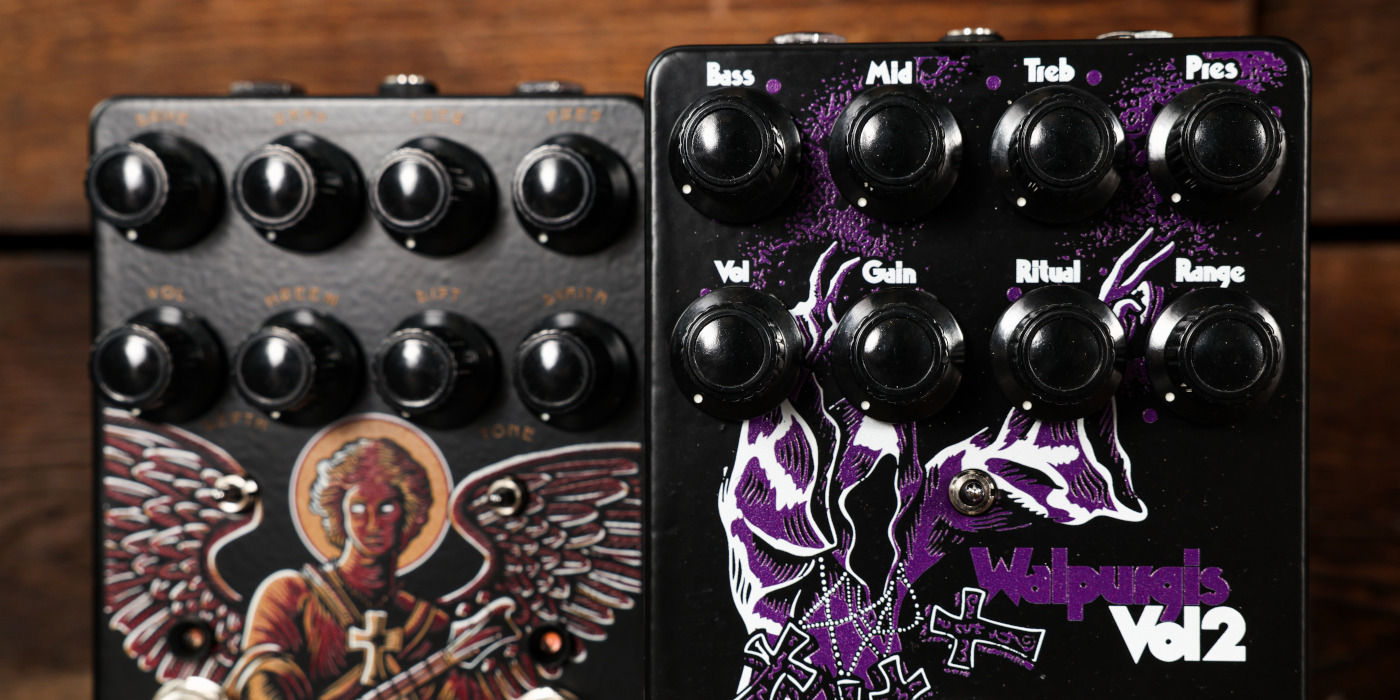
Not really. Most of the time our pedals start with the idea of recreating or interpreting a legendary pedal or rig. There is usually a story behind it. The Baghdad, for example, was inspired by Matt Pike’s early High on Fire setup with a Matamp and Soldano preamp. The Walpurgis came from Tony Iommi’s Laney Supergroup and Rangemaster combination. And the Giza was inspired by Al Cisneros and his early OM rigs with green Matamps and classic dirt pedals.
Once we develop the idea, we make sure the pedal works across a wide range of amps and tunings, from standard tuning all the way down to extremely low setups on guitar and bass.
What is your favourite Does It Doom pedal right now?
My favourite is usually whatever we just released, and right now that’s the Giza Dva. It’s an expanded version of our original one-knob Giza pedal that was inspired by Al Cisneros and those early OM rigs.
The original sounded great but was very simple. With the Dva, we opened it up and gave players access to the full Matamp style preamp along with blendable DOD 250 and Boss DS-1 style circuits. We also added a second stomp with a silicon fuzz. It’s just a huge sounding pedal on both bass and guitar and it has been a really exciting release for us.
How much does the doom community influence your designs?
Quite a bit. I stay very involved in the community. I go to shows, talk with people, read forums and follow what people are discussing online. That helps me understand what players are looking for and where there might be gaps in the market.
Because we work closely with Nick Williams, we can build some fairly unique and complex analogue circuits, so we try to create things that the community does not already have.
Are there any dream collaborations you would like to do next?
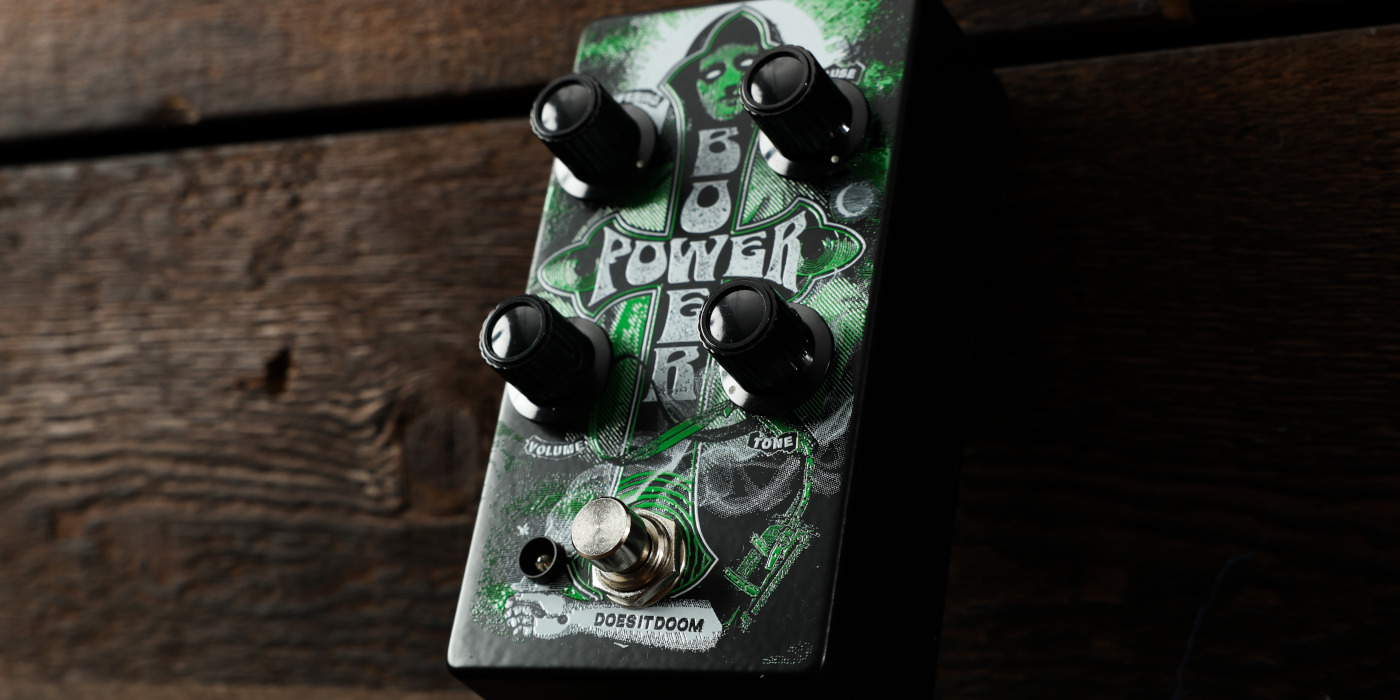
I’ve already been incredibly lucky to collaborate with two of my musical heroes, Jimmy Bower and Matt Pike. Both have been huge influences on me since my teenage years. We’ve worked together on signature guitars through Woodrite, as well as pedals like the Masochist and the Bower Power overdrive.
Looking ahead, there are definitely more collaborations I would love to make happen. We are already talking with a few artists and have some ideas in development.
Has any band surprised you by using your pedals?
One of the coolest surprises was Gary Holt from Exodus using the Doomsaw. That pedal was originally built as a very aggressive single-knob circuit inspired by the classic Swedish death metal sound. Gary ended up putting one on his touring board and taking it around the world with Exodus. Seeing a legendary thrash guitarist using one of our pedals was something we definitely didn’t expect and it was a great moment for us.
What can fans expect from Does It Doom in the near future?
First of all, we are extremely excited to have Does It Doom products available at Andertons. It’s one of the most respected music shops in the world and we are very proud to be working together. In terms of what’s next, we usually aim to release three to four pedals a year. We kicked this year off with the Giza Dva and already have several new designs and collaborations in the works. The goal is to keep pushing forward and continue bringing the doom to players everywhere.
Does It Doom pedals on Andertons TV
Watch Oz put the Does It Doom lineup through its paces with Lee. Warning: it might get loud!
And if you wanna really hear these stomps in action, Oz teamed up with Tay on drums to shake the studio floorboards with full‑on doom carnage — get ready to headbang…
Follow Does It Doom online
Loving the sound of these pedals? Stay up to date with Steve’s latest doom‑soaked riffs, lessons and gear demos:
- Subscribe to Does It Doom? on YouTube
- Follow @doesitdoom on Instagram
- Follow @doesitdoom on Facebook
- Follow @doesitdoom on TikTok
And while you’re here, make sure to bookmark the Andertons Blog. We’re always dropping fresh content to help you learn about the latest products, discover how to sound like your favourite artists and stay in the loop with all the hottest gear news.
Responses & Questions