



- Where is the Fender Flagship store in Tokyo?
- First impressions
- 1st floor: 75th Anniversary guitars, signature models & merch
- 2nd floor: Fender Japan exclusive guitars
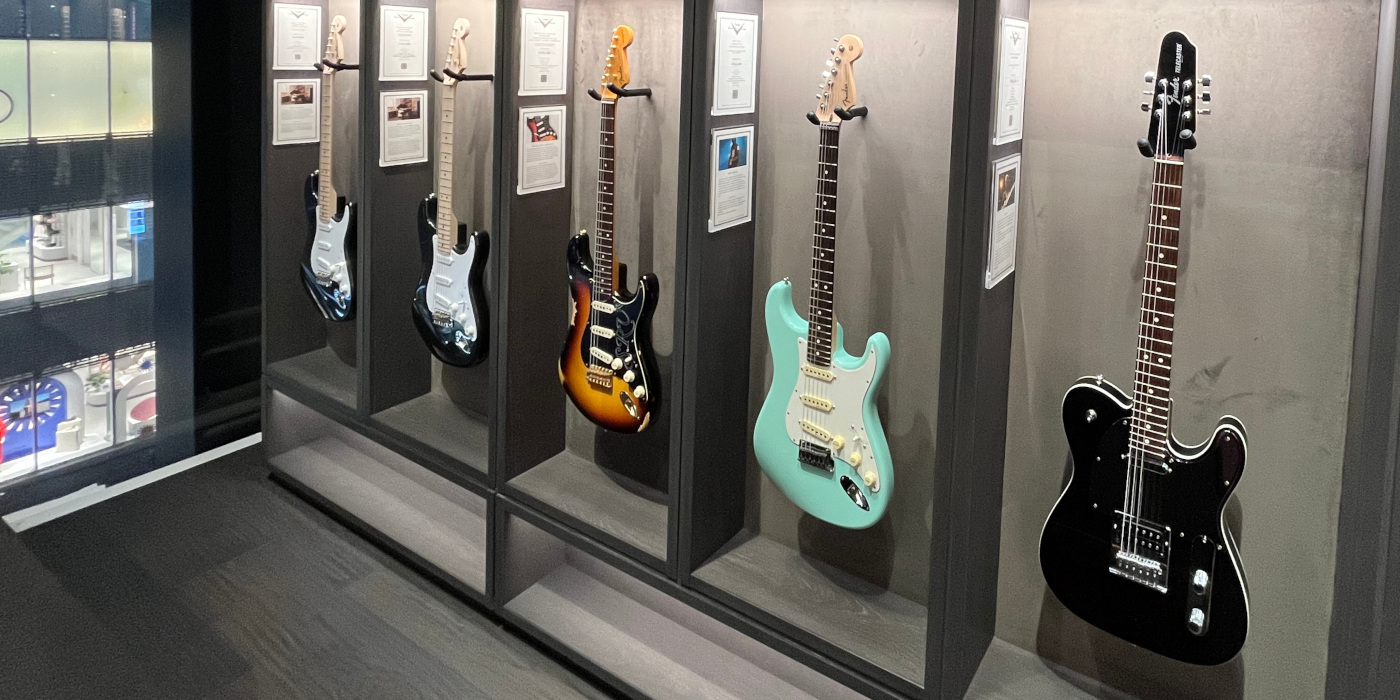
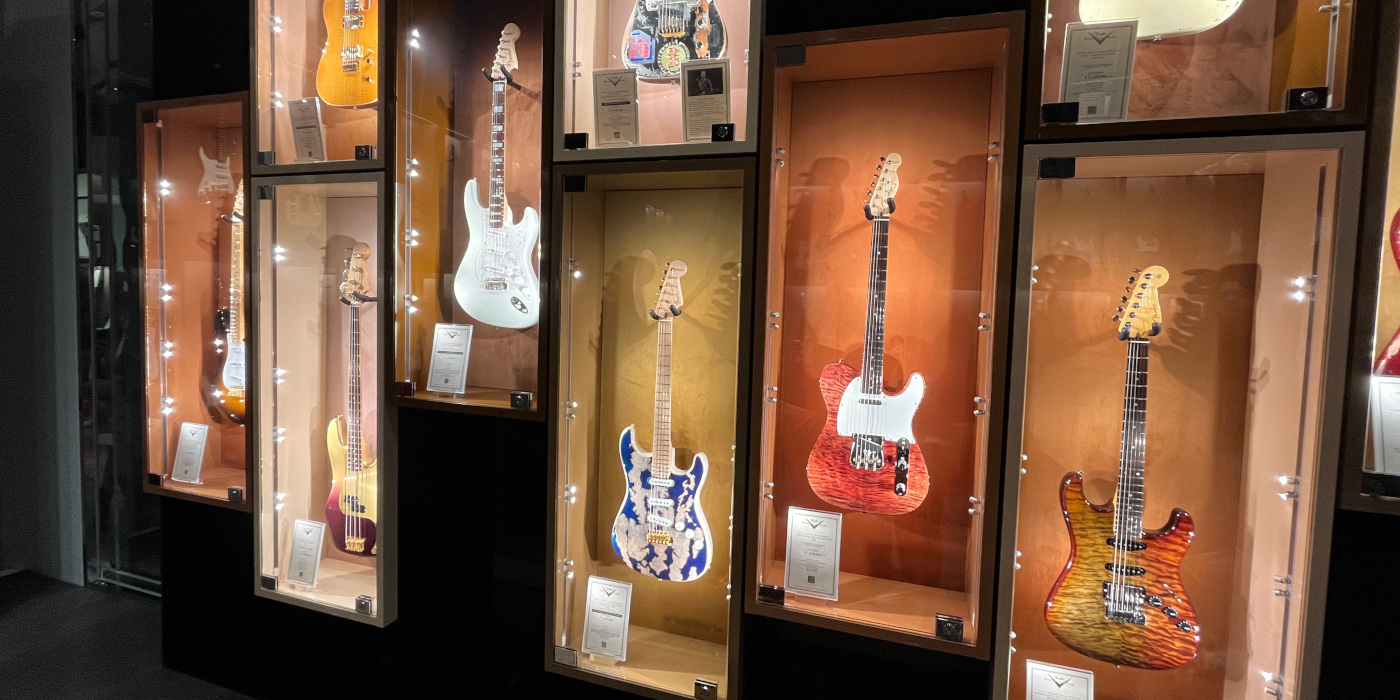
- 3rd floor: Fender Custom Shop (AKA guitar heaven)
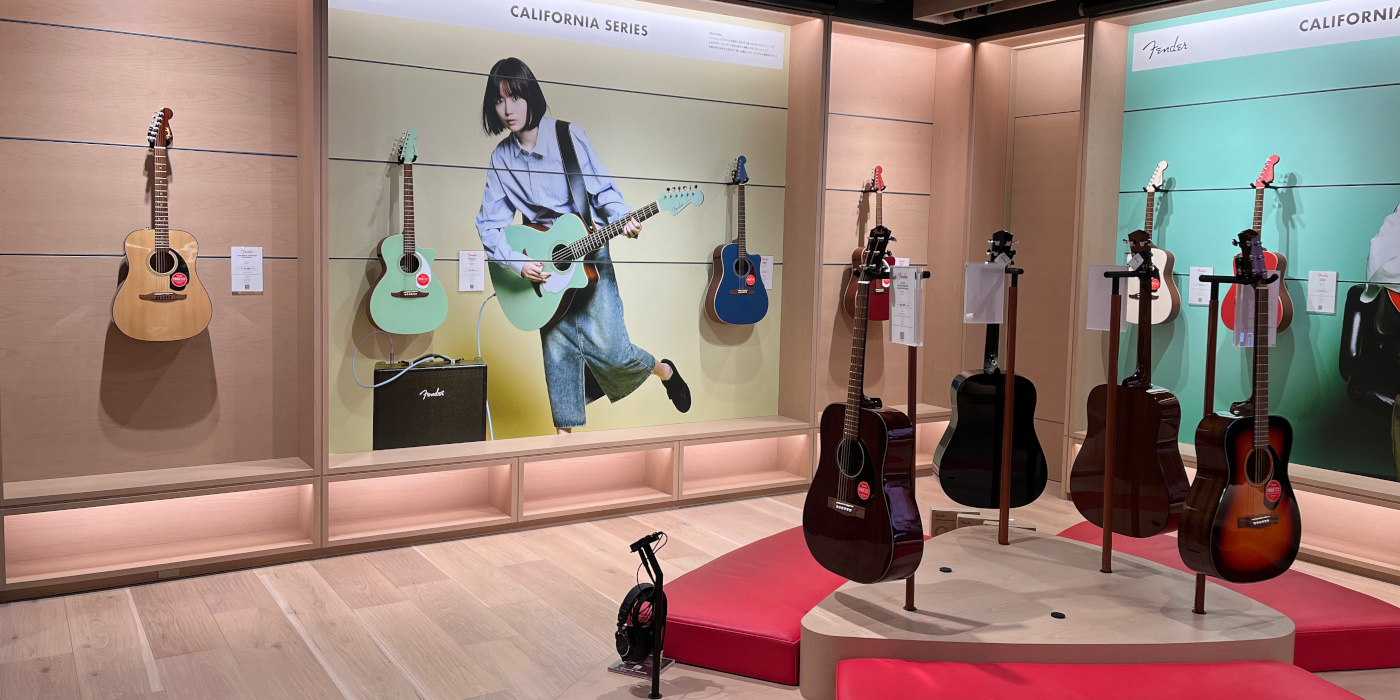
- Basement floor: Fender acoustics, guitar parts & café
- Is it worth visiting Fender flagship Tokyo?
As one of the world’s largest cities, you’ll never run out of things to do in Tokyo. It’s crammed with attractions, from fancy department stores and centuries-old shrines to Michelin-starred restaurants and multi-storey arcades. And if you’re a guitarist heading to Japan’s capital soon, we’re willing to bet Fender Flagship Tokyo has already made your list of potential places to visit.
It’s the only dedicated Fender store in the world, having opened in summer 2023 in one of the city’s most famous fashion hubs. I was lucky enough to set foot inside during a trip to Japan earlier this spring. Well, it was actually my second visit, as I also travelled to Japan on my honeymoon last year. The difference this time was that I wasn’t rushing through in 10 minutes — I had the chance to explore every floor and spend some proper time with a couple of rad Fender Japan guitars.
Before I get into the experience itself, it’s worth mentioning that this Fender Flagship Tokyo review comes from the perspective of a regular customer (albeit one who knows a thing or two about Fender!). I didn’t rock up in an Andertons tee asking for a VIP tour, because that’s not the experience most visitors will have.
First though, let’s run through a few quick FAQs covering where Fender Flagship Tokyo is located, how big it is and what gear you can expect to see.
Where is the Fender Flagship store in Tokyo?
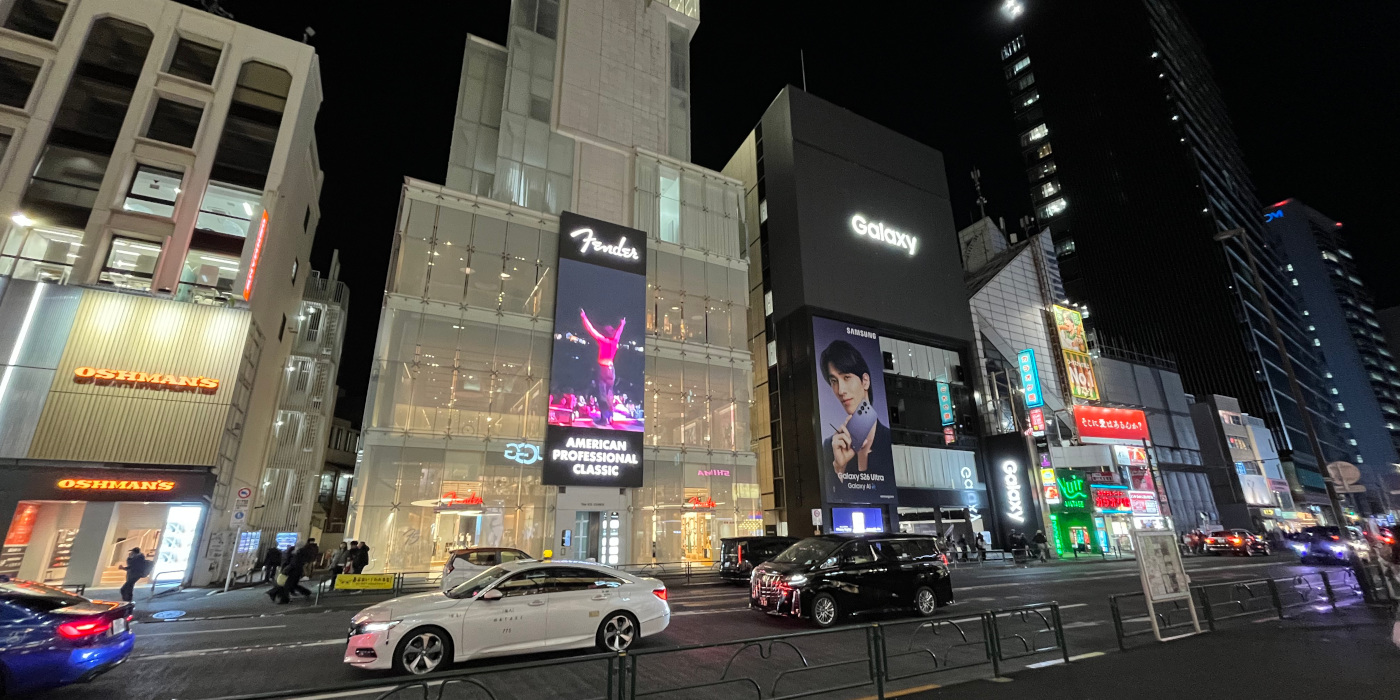
It’s in the heart of Harajuku, one of Tokyo’s most popular shopping districts and a hotspot for Japan’s renowned ‘kawaii’ culture (that means cute, by the way). Situated among a cluster of designer fashion stores and tech retailers in the striking Ice Cubes building, Fender Flagship Tokyo is pretty hard to miss. Its glass exterior and huge video screen, which cycles through clips showcasing Fender’s latest products, make it one of the area’s most eye-catching storefronts.
The shop is just a two-minute walk from Meiji-Jingumae Station on the Chiyoda and Fukutoshin lines, or five minutes from Harajuku Station. That means it’s an absolute doddle to get to if you’re staying anywhere near central Tokyo. Trains in Japan are regular, fast and famously punctual too.
Location: 1-8-10 Jingumae, Shibuya-ku, Tokyo 150-0001, Japan
How big is the Fender Tokyo flagship store?
Shopping in Tokyo is awesome, but it can sometimes feel a little claustrophobic, especially in bustling areas packed with tourists. Luckily, Fender Flagship Tokyo is huge, with 1,068.4m² of floor space spread across four levels, from the basement right up to the third floor. It’s spacious enough that you can browse every area and explore every corner without feeling cramped or getting in anyone else’s way.
What’s inside the Fender Flagship Tokyo store?
Fender Flagship Tokyo stocks pretty much every type of Fender product you can think of, including electric guitars, basses, acoustic guitars, amps and guitar pedals. The latest artist signature models are prominently displayed throughout the store too, alongside a selection of Japan-exclusive instruments that you won’t normally find elsewhere.
It’s not all about guitars, either. You’ll also find Fender’s latest lifestyle accessories and its exclusive ‘F IS FOR FENDER’ streetwear clothing range. Oh, and if you’ve got particularly expensive taste, you can even place a Fender Custom Shop order up on the top floor.
First impressions
My wife and I arrived at Fender Flagship Tokyo a little before 7pm, which meant we had just over an hour to look around before closing. The first thing I noticed was just how much busier it was compared to my visit the previous year. And with more customers browsing and testing gear, there was a real buzz about the place that made it feel even more inviting.
Unlike many shops over here in England (of course, I’m not counting Andertons when I say this), there were loads of staff about. While most were already helping other customers when we first arrived, it was great to see them actively engaging with people rather than standing around waiting.
1st floor: 75th Anniversary guitars, signature models & merch
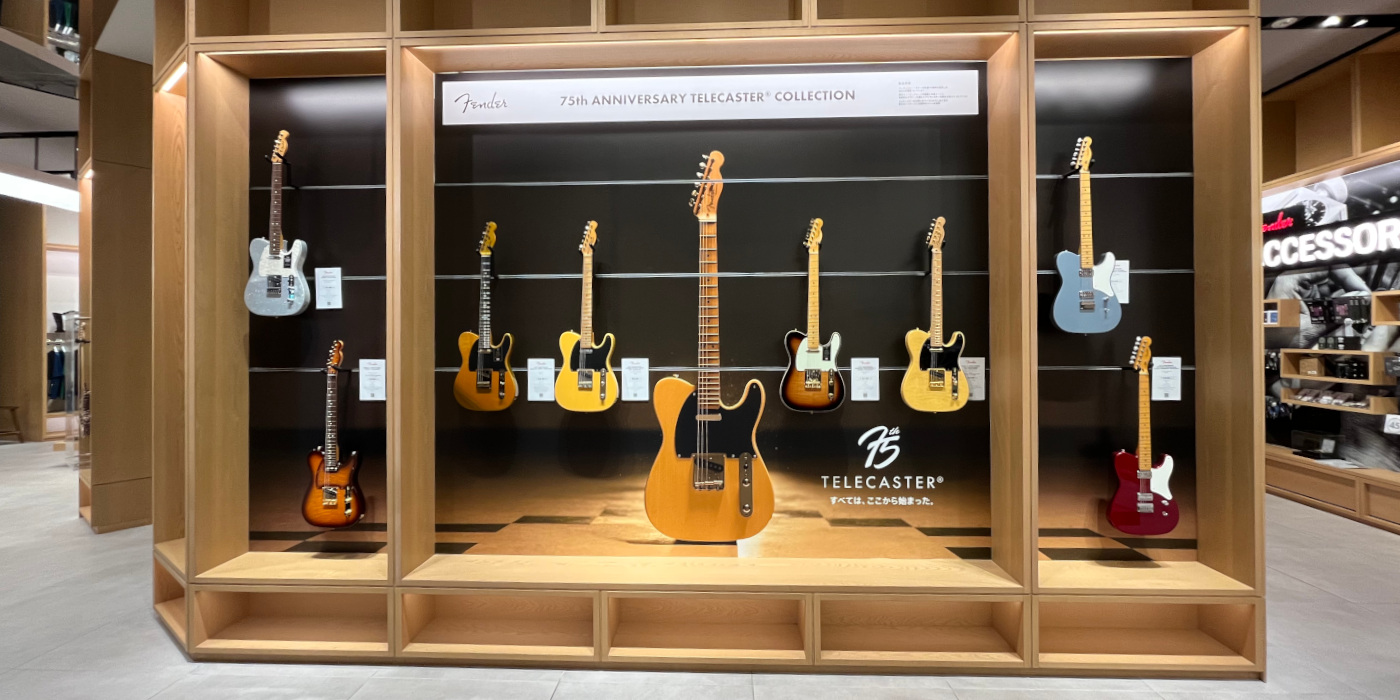
After taking a moment to let my eyes adjust (going from a dark Tokyo street to a super-bright showroom is quite jarring), I started having a good mosey around. What caught my attention right away was a large display showcasing Fender’s 75th Anniversary Collection, which had only launched a couple of months before my visit.
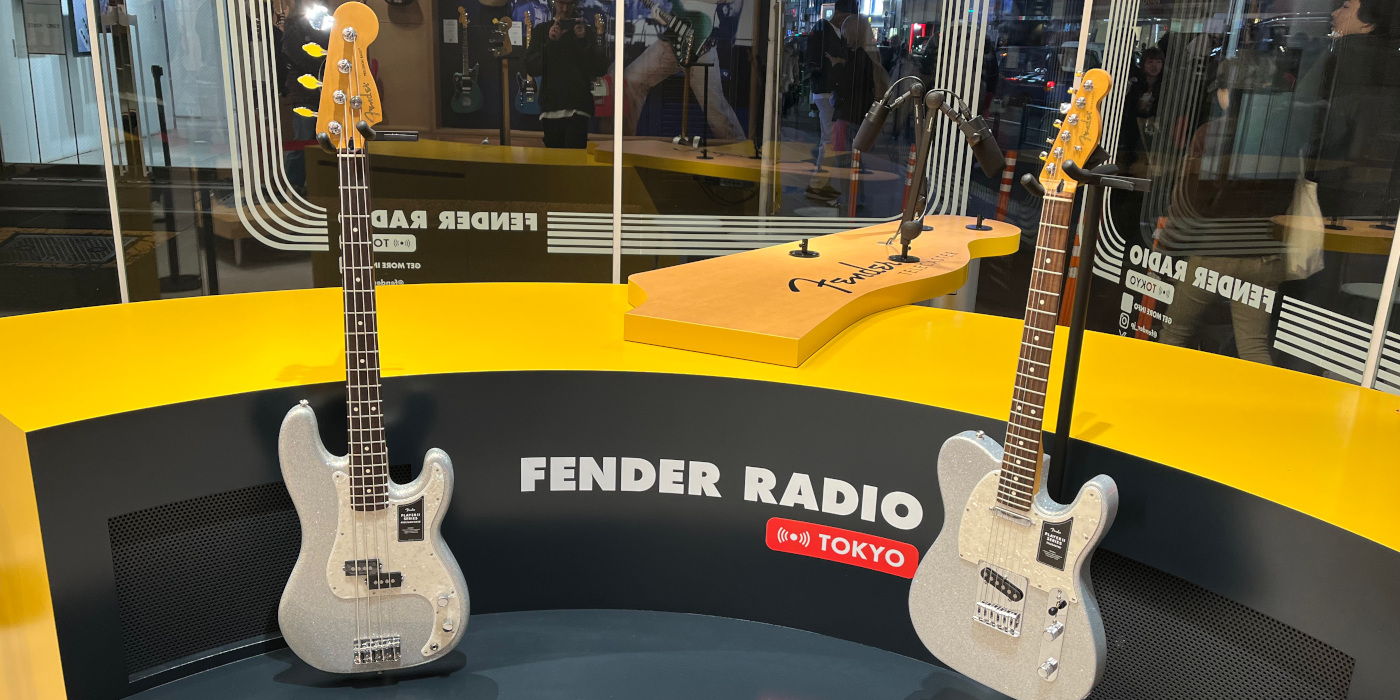
Sitting off to my right, the range’s Player II Telecaster and Precision Bass were also impossible to ignore with their glitzy Diamond Dust Sparkle finishes. It’s worth saying that these look way better in person than they do in the official product photos.
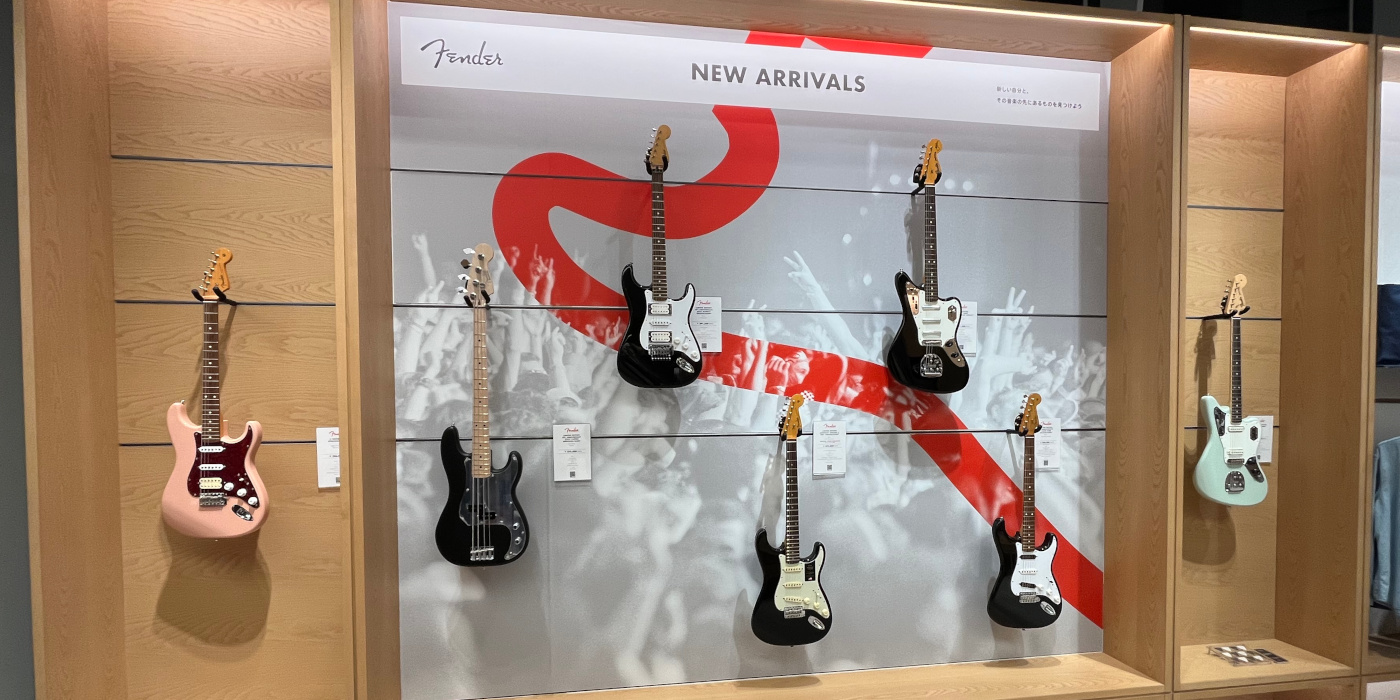
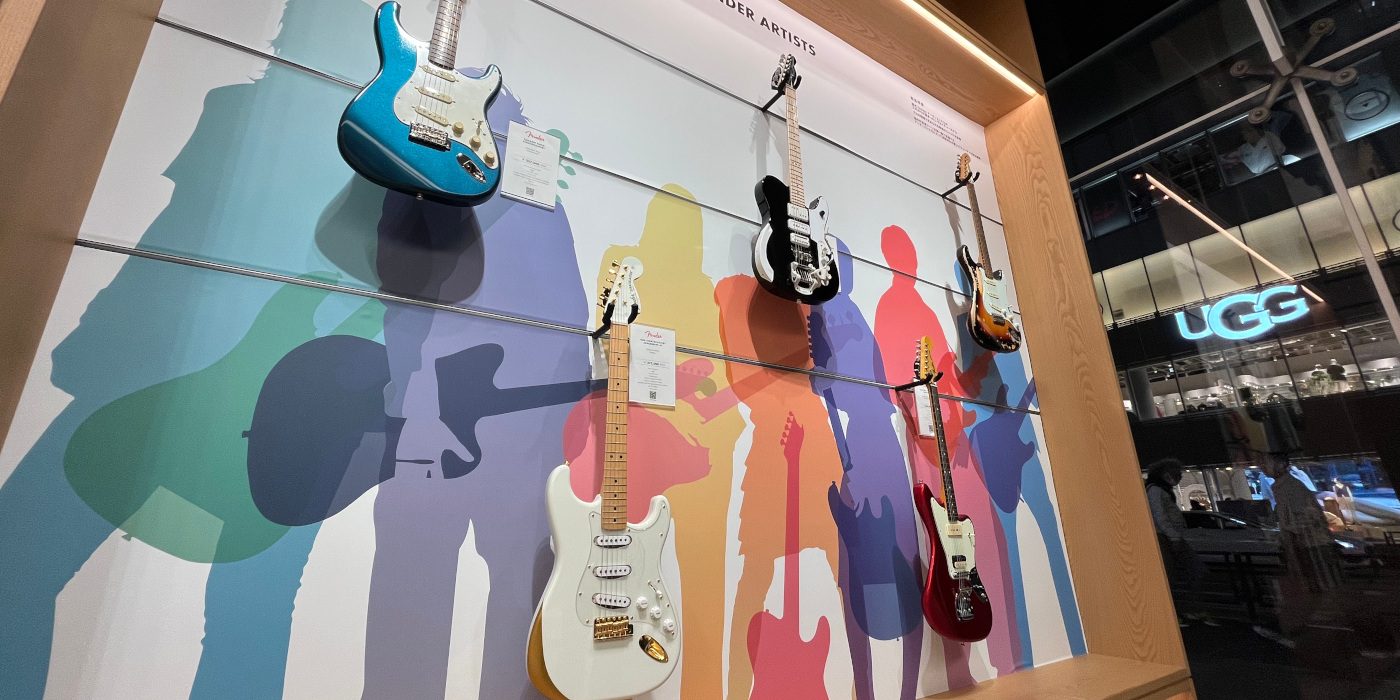
But of course, what I wanted to see most were some of the Japan-exclusive models we don’t get here in Europe. I’m a sucker for rare, unusual guitars. The first of these was tucked just to the right of the main till among a display of the latest Fender Artist Series guitars, including the Jack White Triplecaster and Mike McCready Strat.
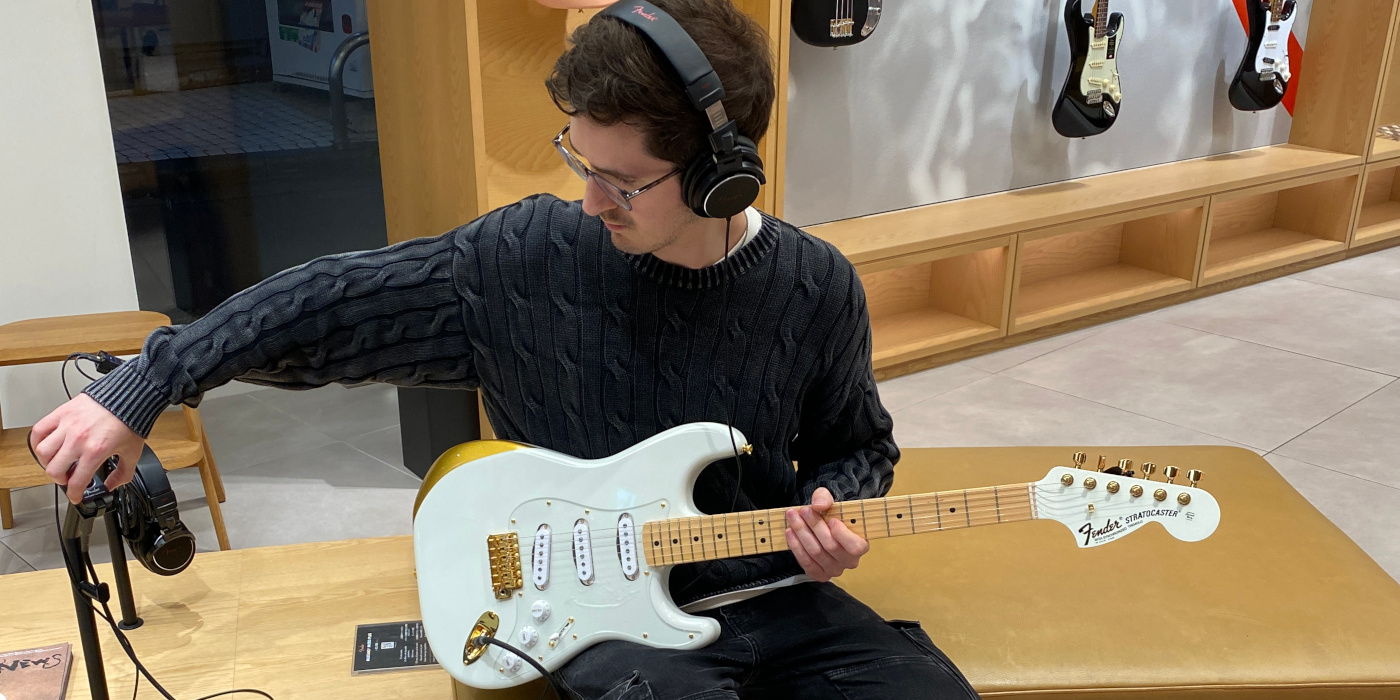
The guitar in question was a quirky white Stratocaster built for alt-rock star Ken (dubbed ‘Experiment #1’), featuring a clear pickguard, gold hardware and a unique gold-painted forearm contour. Apparently, its looks are inspired by kintsugi — the Japanese art of repairing broken pottery by mending cracks with powdered gold. Funnily enough, I actually did a workshop on this during the same trip.
I asked a member of staff if I could try it out, and she kindly set me up on a Fender Mustang Micro Plus test station. This was so I could plug in with headphones and play some mediocre Dad-blues licks without annoying anyone. I flicked through a few patches on the Micro and, while it sounded great, the guitar didn’t quite feel as nice as it looked. The chunky neck and smaller frets just aren’t my usual vibe. It was gorgeous though…
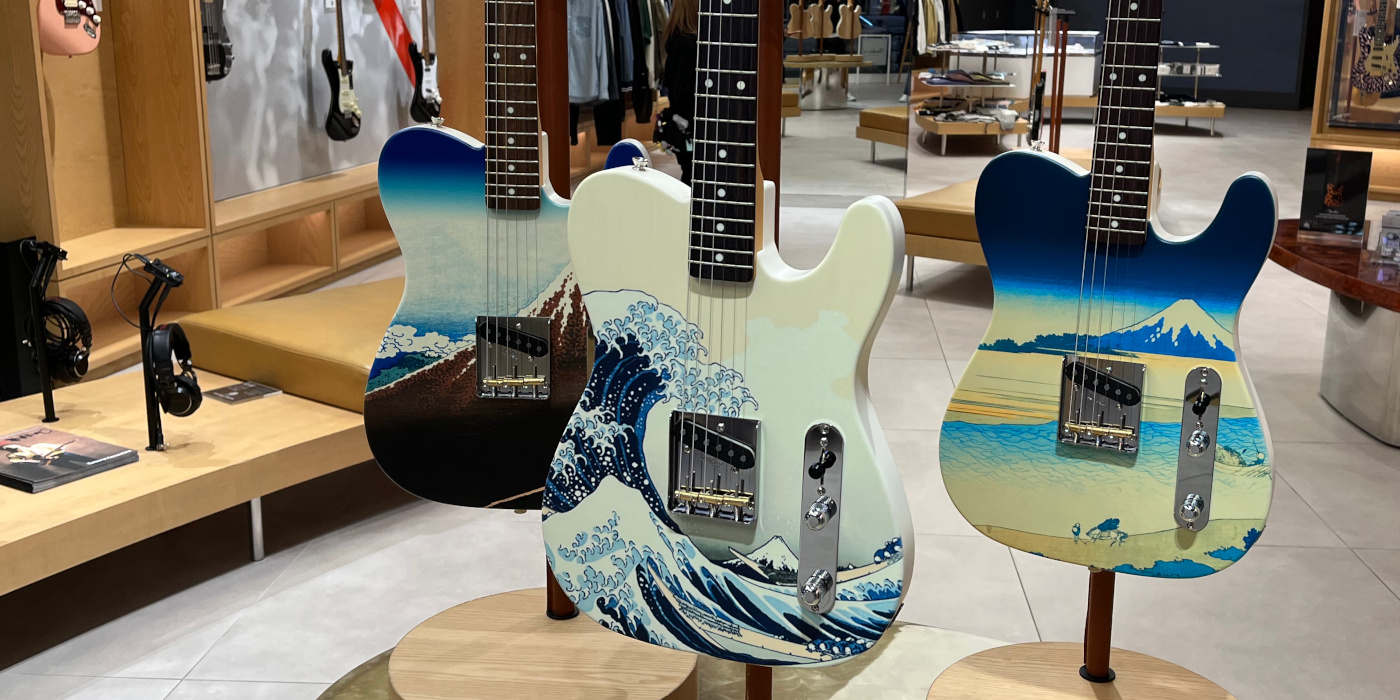
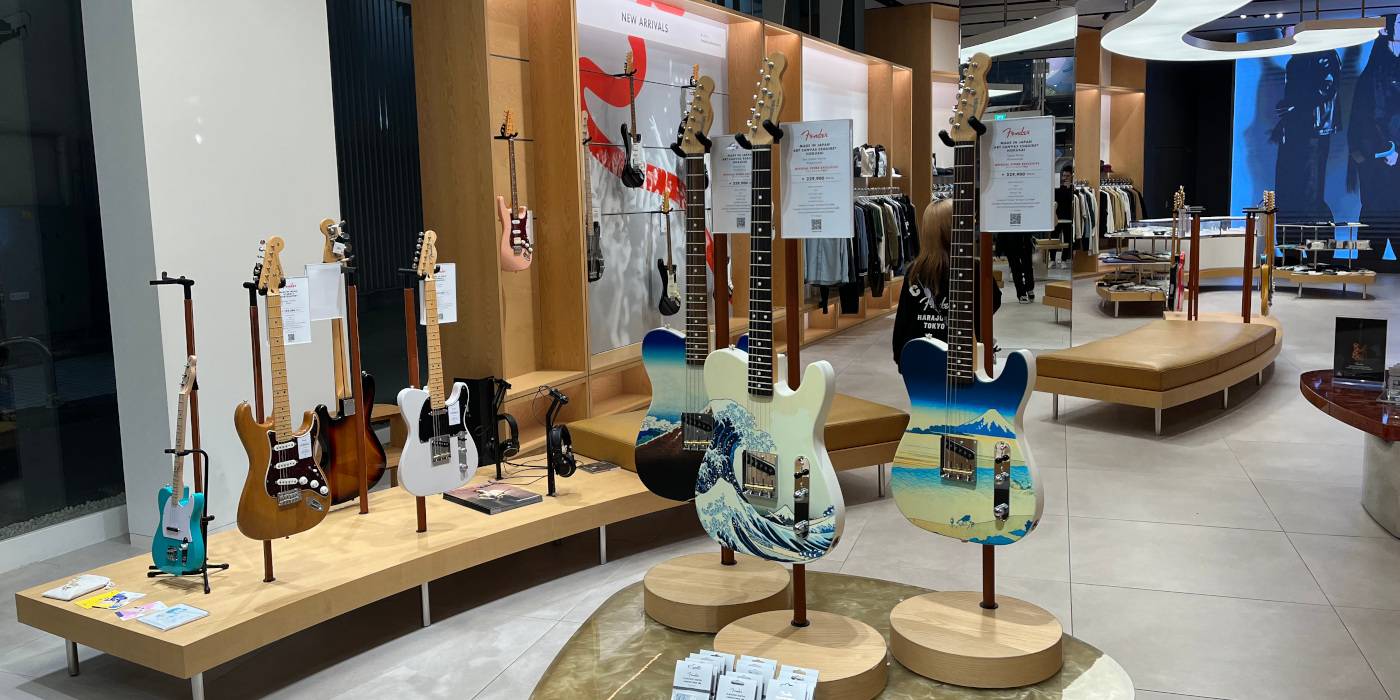
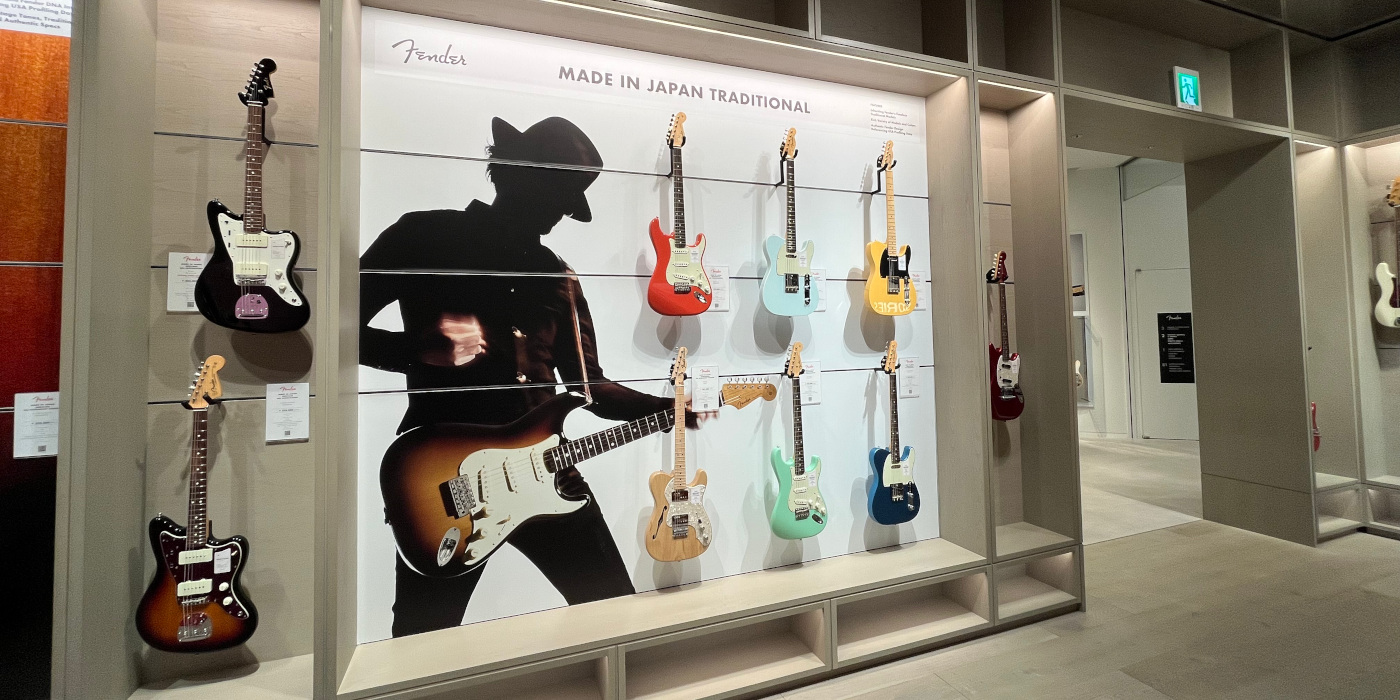
Other highlights on the first floor included three Japan-exclusive Esquires decorated with Hokusai artwork, plus the ‘F IS FOR FENDER’ lifestyle and fashion section towards the back of the store, which had some really cool pieces. By this point in the trip though, I’d already spent far too much money on clothes (as my wife loved reminding me). So, I behaved myself and we made our way up to the second floor.
2nd floor: Fender Japan exclusive guitars
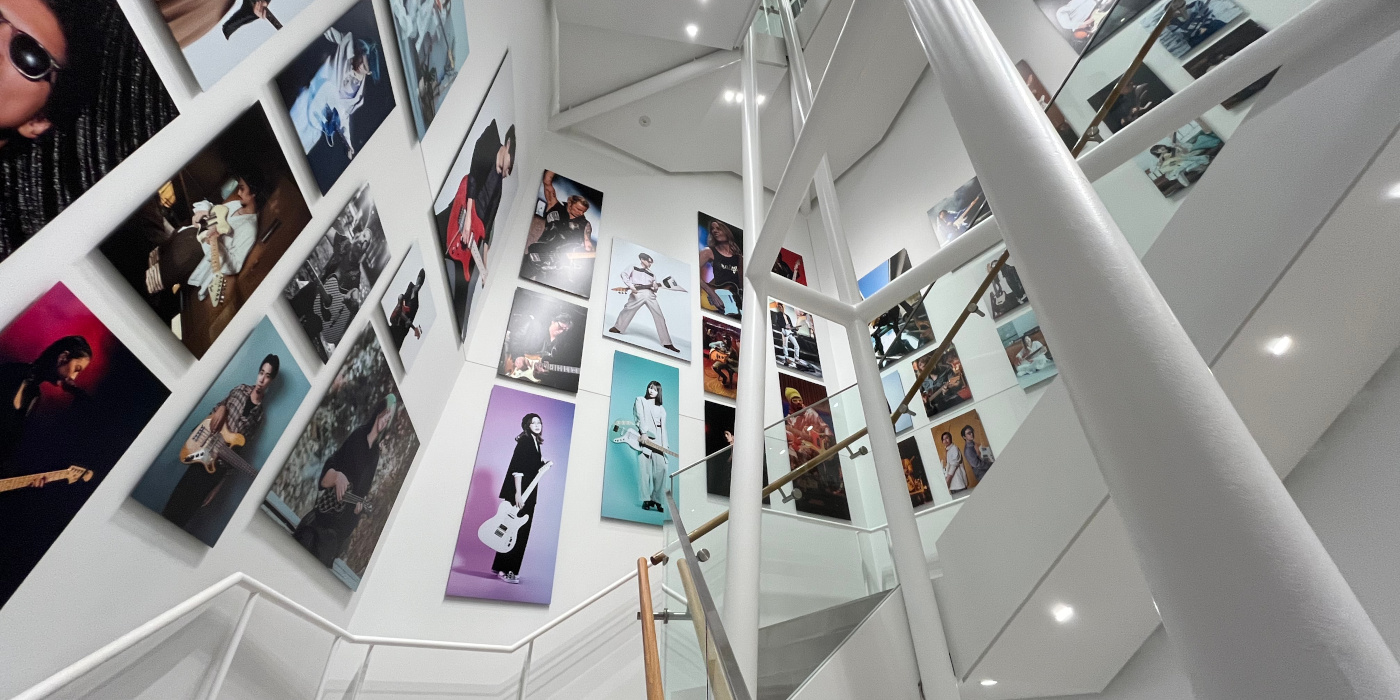
When I briefly stopped by Fender Flagship Tokyo last year, I didn’t have time to go upstairs and check out the other floors. And my word, was I surprised by how much more there was to see. Even the stairwell felt like an art installation, adorned with prints of both Japanese and international Fender artists.
On the way up, there were a couple of glass cases showing off some killer Custom Shop collabs — very much teasing what was to come on the top floor. We then walked into the main second-floor showroom, which was largely dedicated to Fender Japan-exclusive models. This was probably my fave part of the store, as it was filled with guitars boasting eccentric specs and finishes that I truly wish we could get more of over here.
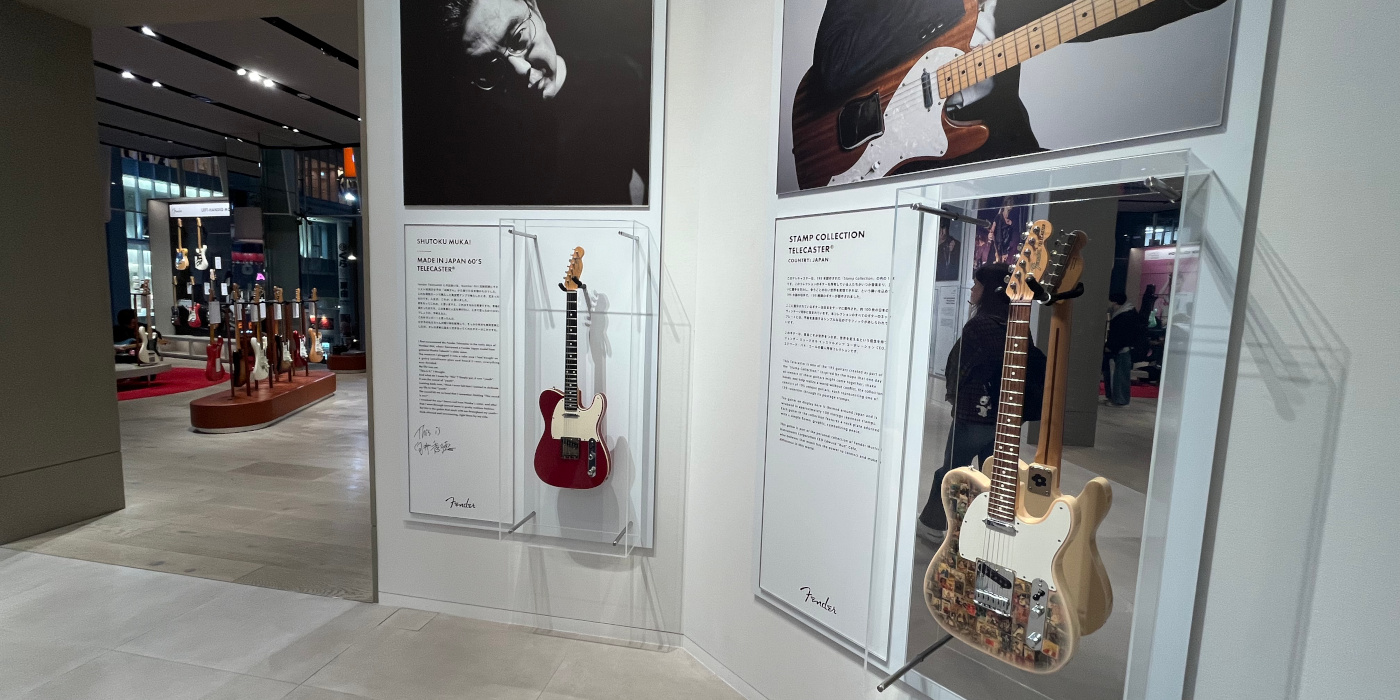
The first thing that caught my eye was a sweet double-bound Surf Green Telecaster. Then a very rock ‘n’ roll-looking salesperson approached and encouraged me to try it out. Not in a pushy way either — she was super chill (Japanese customer service is famously top-notch). I said I was just browsing, then my wife asked her what her favourite guitar on the floor was. She took us over to a corner I’d completely missed, tucked away beside a few Fender bass guitars.
Bloody glad too, as this almost-hidden display featured two of the coolest Strats I’ve ever seen. They were Japanese artist Michiya Haruhata’s signature models, one in Caribbean Blue Trans and the other in Trans Pink. She has great taste, I must say.
And I’m not gonna lie, I’d seen the blue Strat pop up on my Instagram feed a few weeks before travelling to Japan. But I wasn’t expecting to find one in the flesh. And specs-wise, it’s everything I love: a quilted Maple top, DiMarzio HSH pickups, a Gotoh locking trem, abalone inlays and a reversed headstock. Just as I’d hoped, it played and sounded fantastic.
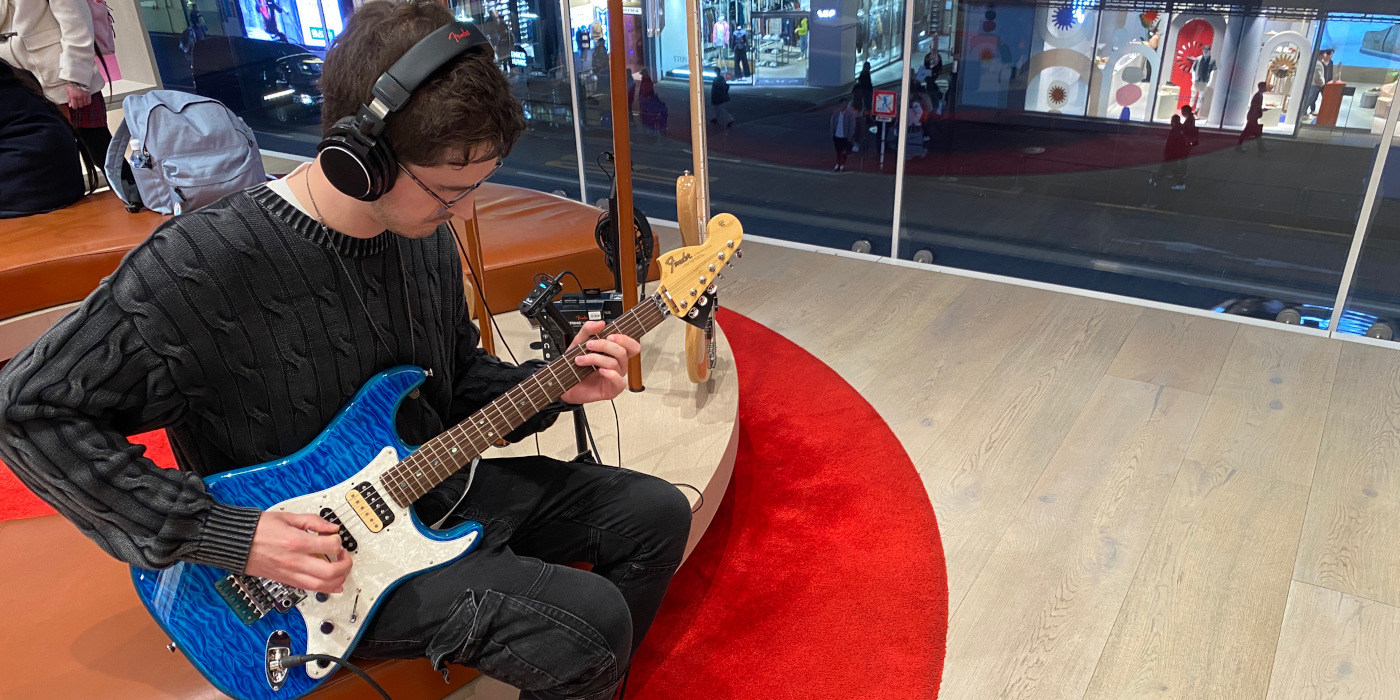
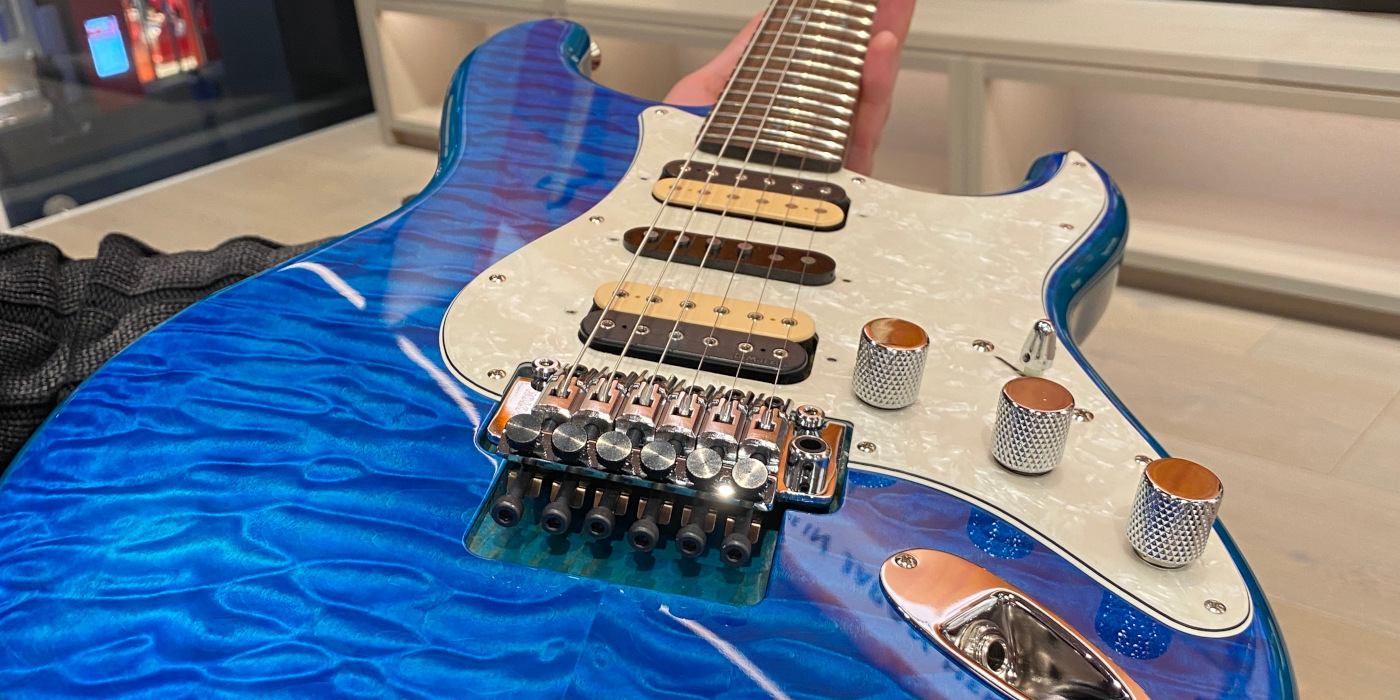
I was so ready to buy it, but one of the few drawbacks of Fender Flagship Tokyo is that they don’t offer international shipping. That means if you want to treat yourself to something special, you’ll need to figure out a way to get it home. The store can arrange to ship purchases securely to your hotel, but after that, you’re pretty much on your own.
3rd floor: Fender Custom Shop (AKA guitar heaven)
With that stunning Strat still at the front of my mind, and me already trying to figure out how I’d get it back to the UK in one piece, we headed up to the third floor. Seeing dozens of lavish Fender Custom Shop guitars certainly wasn’t the distraction I needed — I knew it would only make me want a new guitar even more (like I could afford any of ’em anyway).
It’s very apt for Fender to use the store’s top floor for its top-shelf guitars. And the slightly intimidating security guard standing at the entrance to the showroom quickly made me realise the level of luxury I was about to witness.
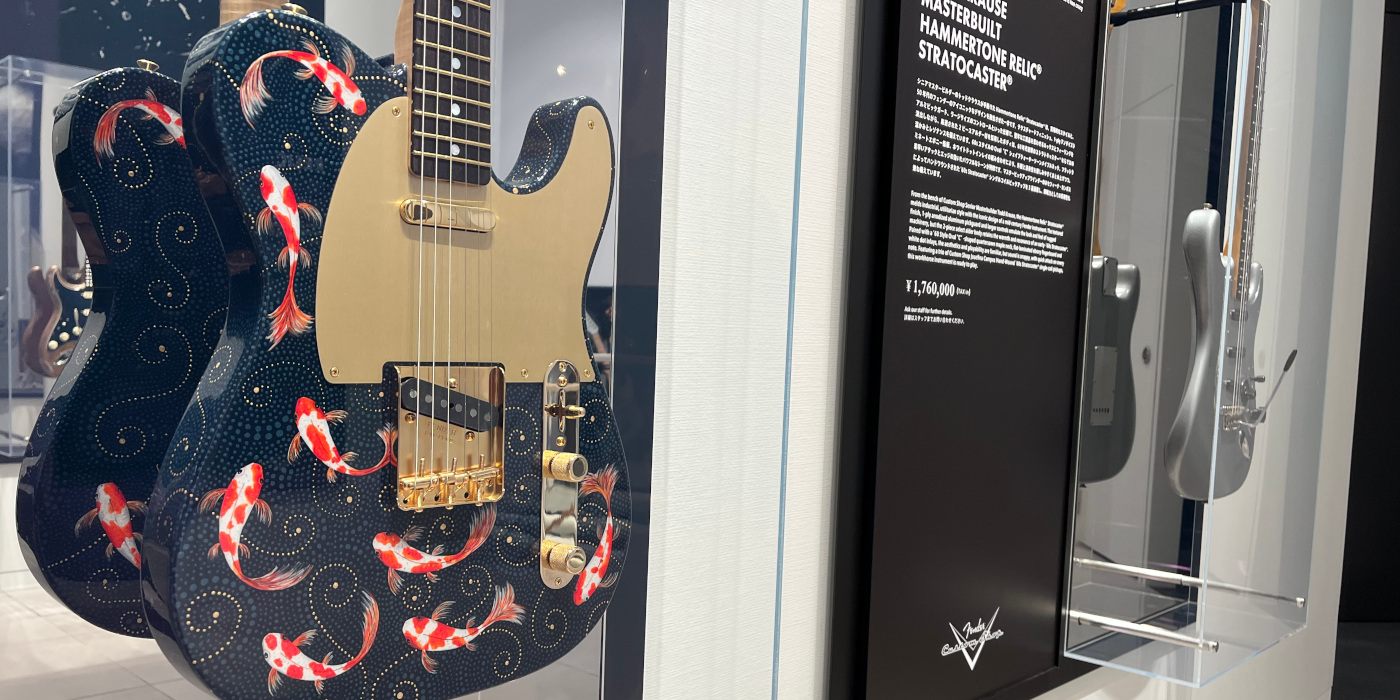
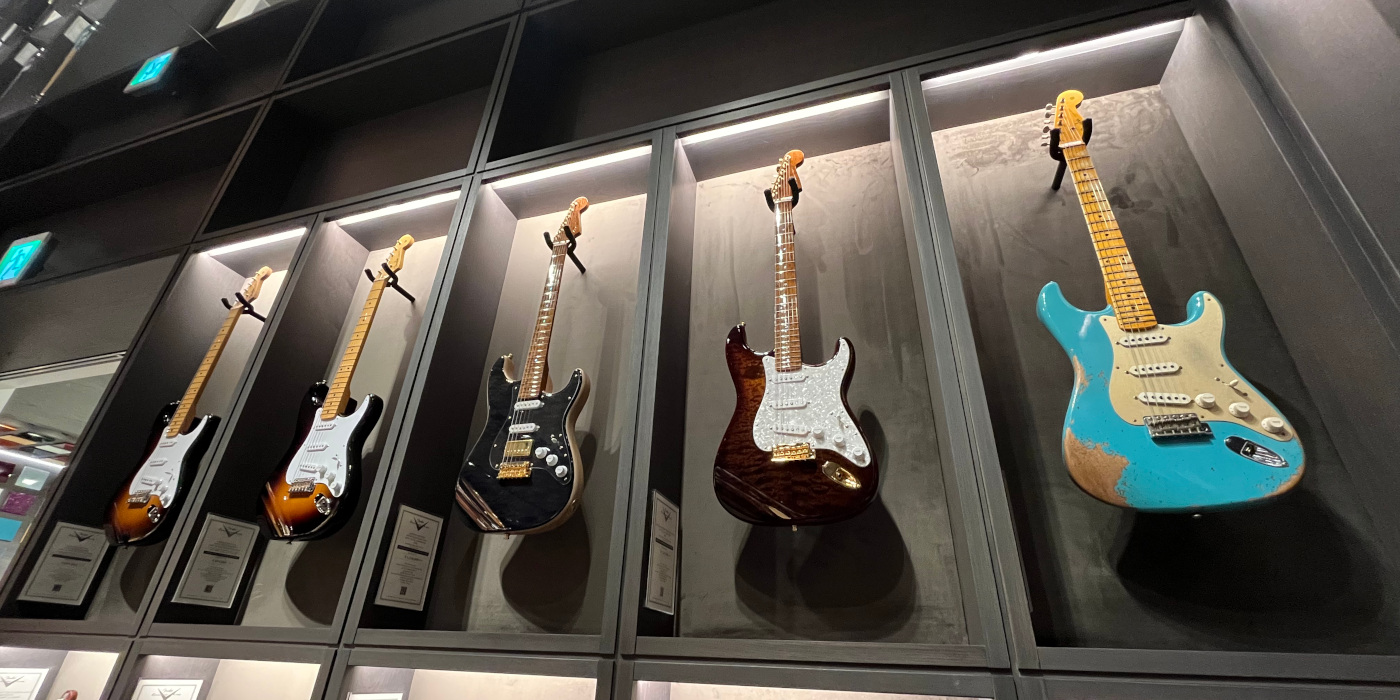
I don’t know exactly how many Masterbuilt models there were, but as soon as you walked in, you were practically surrounded by them. According to Fender’s website, the Tokyo store stocks more than 90 Custom Shop models — yeah, that felt about right. And the whole space was decked out with fancy furniture, mirrors and spotlights that made every instrument stand out and look its best.
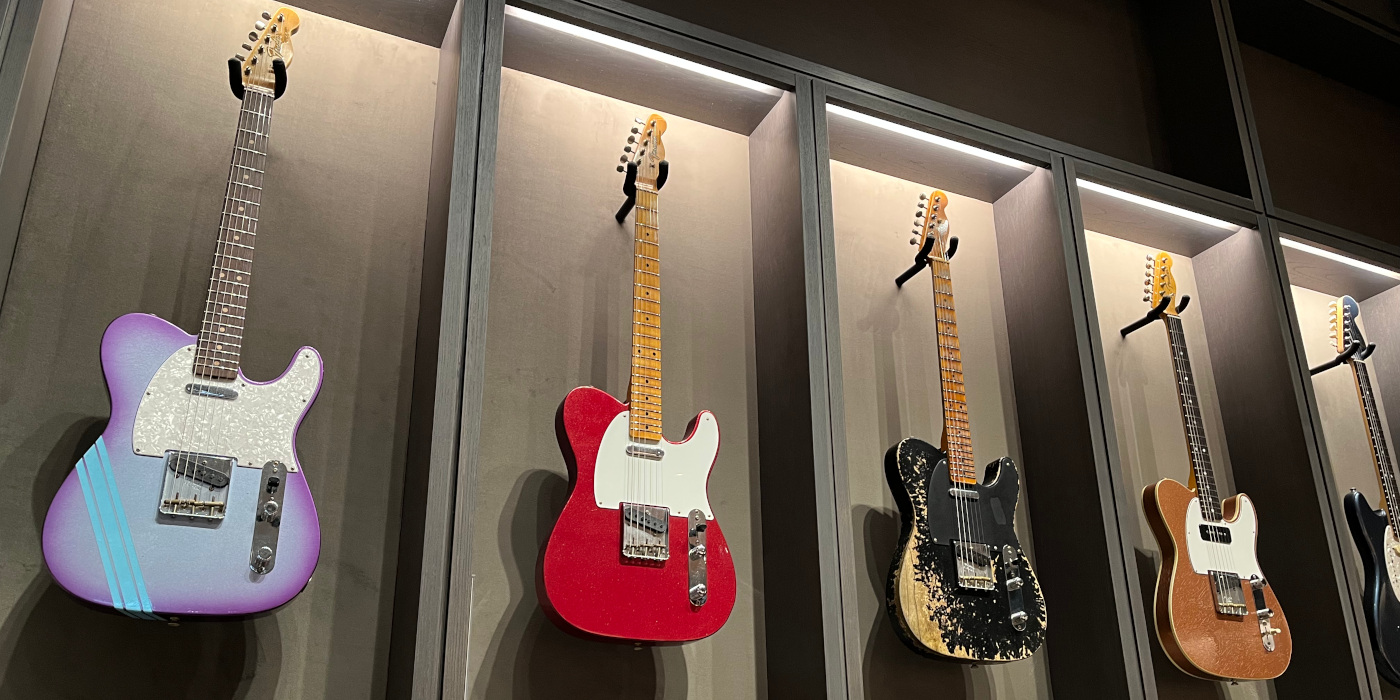
It would’ve been awesome to try something out on this floor too, but I didn’t quite have the nerve to ask. Plus, the store was closing in about 20 minutes. So, I quickly ducked into a small side room showcasing a handful of Custom Shop signature models, including a John 5 Tele and Stevie Ray Vaughan Strat, took a few snaps, and then headed all the way back down to the ground floor.
Maybe in a few years’ time or after I’ve won the lottery, I’ll go back and book an appointment in the ‘Dream Factory Room’. This is where you can bring your ultimate Fender Custom Shop guitar to life with a specialist who’ll guide you through a wide variety of necks, pickups and hardware options for a truly bespoke instrument. One day… one day.
Basement floor: Fender acoustics, guitar parts & café
With just a few minutes left before kicking-out time, we checked out the basement floor. I personally think Fender missed a trick by not putting their basses down there and calling it ‘The Bassment’, but seeing all their acoustic guitars in one place was still pretty neat. The floor was surprisingly busy too, despite closing time rapidly approaching.
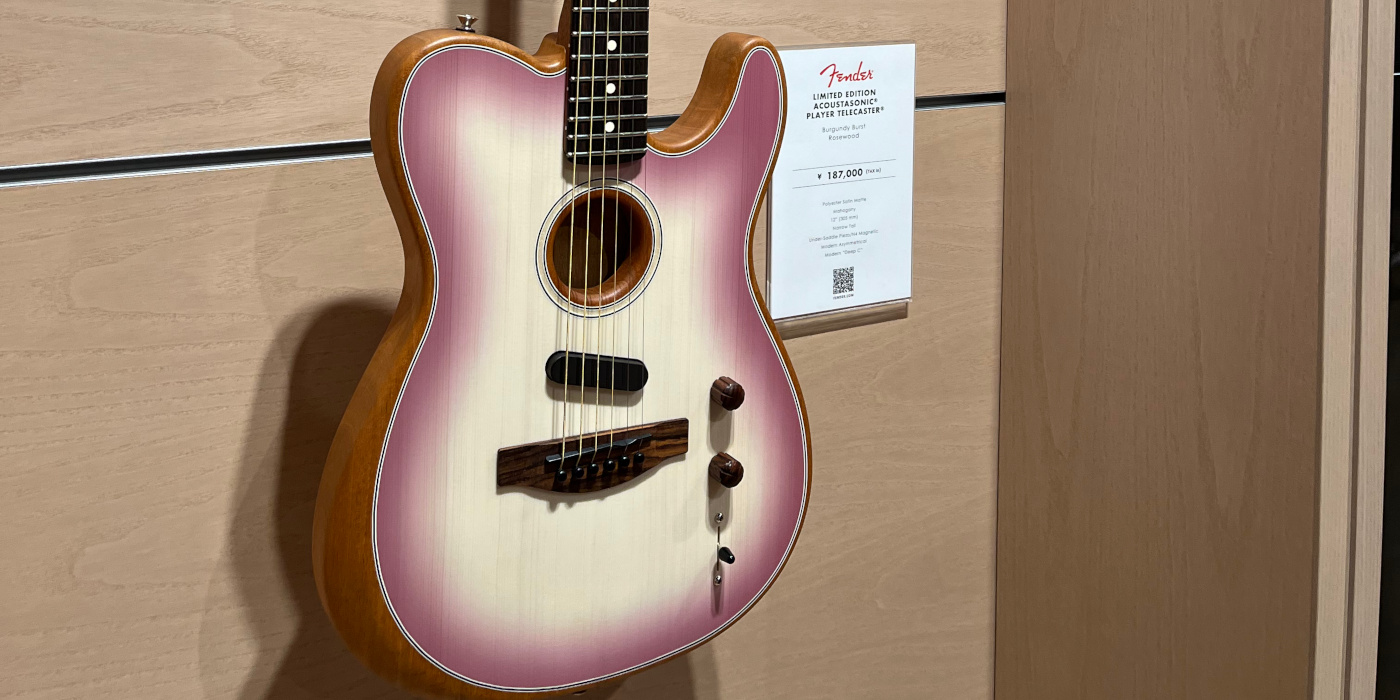
It was mostly filled with California Series strummers and a few Acoustasonic guitars. This included a limited-edition Tele in a beautiful Burgundy Burst finish that’s far more flattering than some of the other Acoustasonic colours I’ve seen over the years (sorry Fender). It’s a shame it’s a Japan-exclusive model, but you never know — some might eventually find their way over to Europe.
The basement was also where you could find various guitar accessories, as well as Fender guitar parts like necks, pickguards and electronics for the modders out there. Sadly, it was too late to enjoy a brew at the café with my wife, which had already closed by the time we got downstairs. But I’ve heard it’s very good, so do yourself a favour and get to the store earlier than we did if you want the full Fender Flagship Tokyo experience.
Is it worth visiting Fender flagship Tokyo?
If you love Fender guitars, especially offbeat made-in-Japan (MIJ) models, it’s definitely worth making the pilgrimage. But if you’re not a big Fender fan, I’d probably skip it and take a train to Ochanomizu instead. It’s essentially the Denmark Street of Tokyo, where you’ll find all kinds of sick second-hand guitars alongside high-end Japanese-crafted instruments from the likes of ESP and Ibanez. I visited this part of the city on my trip last year and it’s well worth seeing — and way better than Denmark Street too!
Fender nuts could easily spend a good couple of hours in the Tokyo store, as there’s plenty to see across its four floors. That said, part of me feels they could squeeze in a few more guitars given the amount of space available. But then again, it’s more of an arty showroom experience, so cramming in extra gear could spoil the vibe.
Tokyo tone machines
Want to learn more?
Keep the guitar-geekery going with our blog’s gear news, learn and labs sections, where you’ll find the latest releases, in-depth guides and detailed product comparisons.
Responses & Questions