

What is a Guitar Killswitch?

From Rage Against The Machine to Buckethead, the killswitch has become a go-to trick for creating stuttery, machine-gun-like guitar effects. Here's everything you need to know.

Jed

Jed

Whether you’ve heard Tom Morello’s frantic pickup-switching rhythms in Rage Against The Machine, or the lightning-fast arcade button chops of Buckethead, chances are you’ve already come across the killswitch sound without even realising it. It’s a simple enough concept, but one that’s shaped some of the most distinctive riffs in modern rock and metal. But just what is the killswitch effect?

In this article, we’re going to answer that very question. We’ll break down what a guitar killswitch is, how it works, and how you can achieve the effect yourself. From DIY pickup selector tricks to pedal-based alternatives, you’ll learn everything you need to know about how this clever little feature can add some serious flair and texture to your playing.

What is a Guitar Killswitch Effect?

In a nutshell, a guitar killswitch is a switch or button (or even technique) that cuts your signal in and out, producing a stuttery, percussive sound. Commonly found in rock and metal riffs, it delivers a sharp, rhythmic cut in sound that transforms a simple chord or note into something much more dramatic.

You can nail that distinctive chopped effect in a few different ways. The simplest is to rapidly flick your guitar’s pickup selector, with one pickup set to zero volume and the other turned up full. A more user-friendly method, albeit one that involves a spot of guitar tinkery, is to install a dedicated killswitch button or arcade-style switch that cleanly cuts the signal on demand.

If you’d prefer to avoid modding your guitar, you can also emulate the killswitch sound with pedals. Glitch and stutter pedals are perfect for the job, and tremolo pedals can also provide rhythmic chopping. Then there’s modern granular FX units, which can create even more experimental variations of the same effect.

Which Famous Guitarists Use a Killswitch?

Tonnes of iconic players have used the killswitch effect to add rhythm and character to their sound over the years:

  • Eddie Van Halen: Aside from his truly virtuosic playing, EVH also famously pioneered a number of inventive guitar techniques. He wasn’t afraid to bust out the killswitch effect from time to time, using a Tesi-style arcade button kill switch on songs like You Really Got Me.
  • Tom Morello (Rage Against The Machine): Known for his nothing short of genius use of effects, Morello often built riffs and lead parts around killswitch rhythms, making it a central part of his sound. While his signature Fender Stratocaster does come with a dedicated killswitch toggle, Morello himself typically flicks his guitar’s pickup selector switch to get the job done.
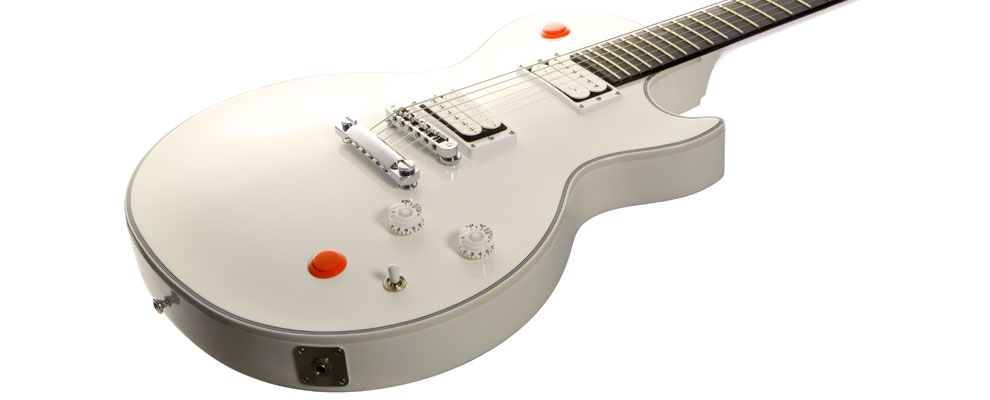
  • Buckethead: Buckethead is truly synonymous with the killswitch effect, famously installing arcade-style buttons on his guitars. Aside from their obvious visual appeal, he uses these buttons to effortlessly deliver that rapid-fire stutter effect that’s become such an important part of his eccentric style and stage presence.
  • Jimi Hendrix: Always an innovator, Hendrix was experimenting with cutting signals and manipulating electronics long before the killswitch became a recognised guitar mod.
  • Jonny Greenwood (Radiohead): Greenwood brought the killswitch effect into alternative rock, using it to add experimental textures and rhythmic pulses to Radiohead’s groundbreaking recordings. Modding his trusty Tele with a killswitch button, Greenwood’s use of the effect is most obvious in his solo on the classic “Paranoid Android”.  
  • John 5: Another truly eclectic player, John 5 is most well known for his work with Rob Zombie and Marilyn Manson. He’s previously blended killswitch chops into his unique blend of metal, shred, and rockabilly, using stutter effects as a dramatic part of his arsenal.
How Do You Use a Killswitch On A Guitar?

If you’ve got a guitar with two volume controls, like a Gibson Les Paul or a PRS SE Series guitar, then the technique is going to be pretty straightforward for you to achieve. Set one volume to zero and the other to full, then rapidly toggle the pickup selector. With plenty of gain dialled in, you’ll get that choppy, percussive sound without needing to pick every note.

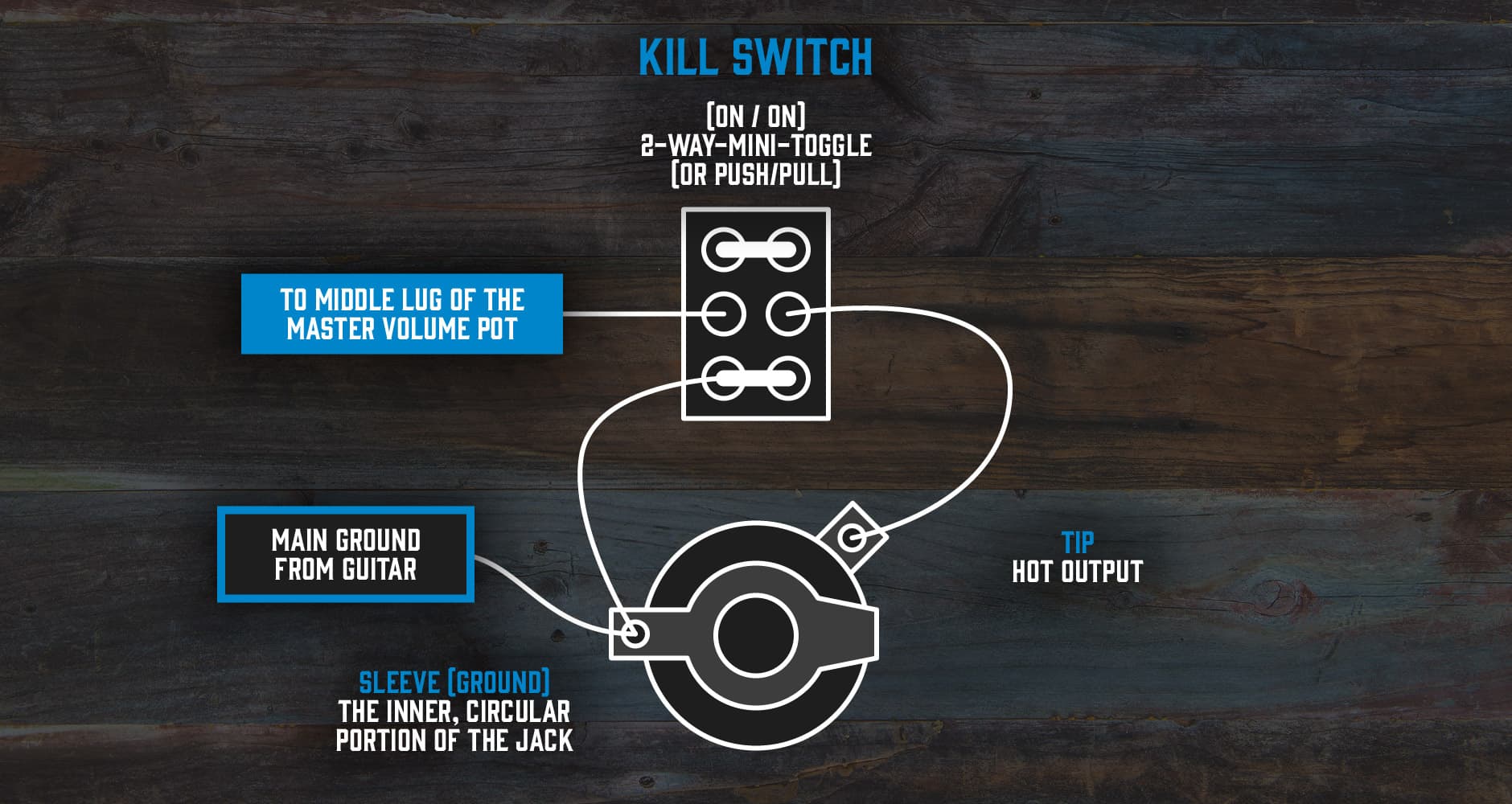
Guitar Killswitch Diagram - Andertons Music Co.

How Can I Get the Killswitch Effect if My Guitar Doesn’t Have Two Volume Controls?

Guitars like Stratocasters and Telecasters typically only have one volume knob, so you’ll need to modify your axe to get a true killswitch. A skilled local guitar tech can install one for you, or, if you’re confident enough with soldering, you can go the DIY route instead. Killswitch modding options include:

  • Arcade button switches: Popularised by Buckethead, these look dramatic and are typically the easiest to use.
  • Push-pull pots: Replace your existing volume knob with one that cuts the signal when pushed.
  • Toggle-style switches: Installed near the controls, these switches give you a flickable on/off option.

Once your switch is in place, it’s simply a matter of pressing and releasing the button in rhythm while fretting with your left hand.


Buckethead Killswitch Gibson Guitar

Killswitch Alternatives – Killswitch Pedals

Don’t have two volume controls and don’t feel like modding your guitar? Don’t worry – you don’t have to miss out on all the fun! You can still get a similar stuttery effect using killswitch pedals and effects:

  • Glitch or stutter pedals: Pedals like the Catalinbread CSIDMAN Ghost stutter pedal are specifically designed to replicate or expand on the killswitch effect.
  • Tremolo pedals: Tremolos can chop your signal rhythmically, creating anything from subtle pulses to rapid-fire machine-gun effects.
  • Granular FX: Modern multi-effects units and software plugins can slice, repeat, and manipulate your signal in ways that mimic (or even surpass) a traditional killswitch.

These alternatives won’t feel exactly the same as hitting a physical button on your guitar, but they can provide a creative variation – and with a little extra flexibility too.

Tremolo Effects Pedals

Browse Tremolo Effects Pedals

Multi FX Pedals

Browse Multi FX Pedals

Guitar Killswitchs: FAQ

What does a killswitch do on a guitar?

A killswitch rapidly cuts your guitar’s signal on and off, creating a stuttery, percussive effect.

Can you put a killswitch on any guitar?

Yes. With the right mod or installation, you can add a killswitch button or toggle to pretty much any guitar.

Do I need two volume controls to use a killswitch?

Not necessarily. Two volumes and a selector switch will give you a perfectly workable DIY version, but buttons or pedals can achieve the same effect.

Who are some famous killswitch users?

Players like Tom Morello, Buckethead, Eddie Van Halen, Jonny Greenwood, and John 5 have all used the effect.

Is installing a killswitch difficult?

A guitar tech can do it easily. Confident DIYers with basic soldering skills will also be able to manage the mod at home.

Are there pedal alternatives to a killswitch?

Yes. Glitch, stutter, tremolo, and granular FX pedals can all replicate or expand on the effect.

Can a killswitch damage my guitar?

No, when installed properly, it’s a perfectly safe mod. It simply interrupts the signal rather than harming the electronics.

Does a killswitch work with clean tones?

Yes, but it’s much more dramatic with a bit of gain. Clean tones give a sharper, percussive chop, while distortion makes it more aggressive.

Is a killswitch practical for live use?

Yes, but it’s best to use it sparingly to add real impact. You absolutely can build whole songs around the effect, but it really shines as an occasional texture.

What styles of music use a killswitch?

It’s most common in rock and metal, but experimental, alternative, and even electronic-influenced styles make great use of the effect.

Want to Learn More?

Interested in finding out more about music gear and expanding your knowledge? Click here to view all of our Learn articles.

Jed
Jed
Jed has worked on our shop floor, handled guitar content on the site and now leads the digital content team. He's equal parts rock frontman/guitarist and wannabe folk singer-songwriter. Jed's a PRS, Tele and Orange Amps lover with an unhealthy obsession with fuzz, octave and ambient effects.

Responses & Questions

Leave a Reply