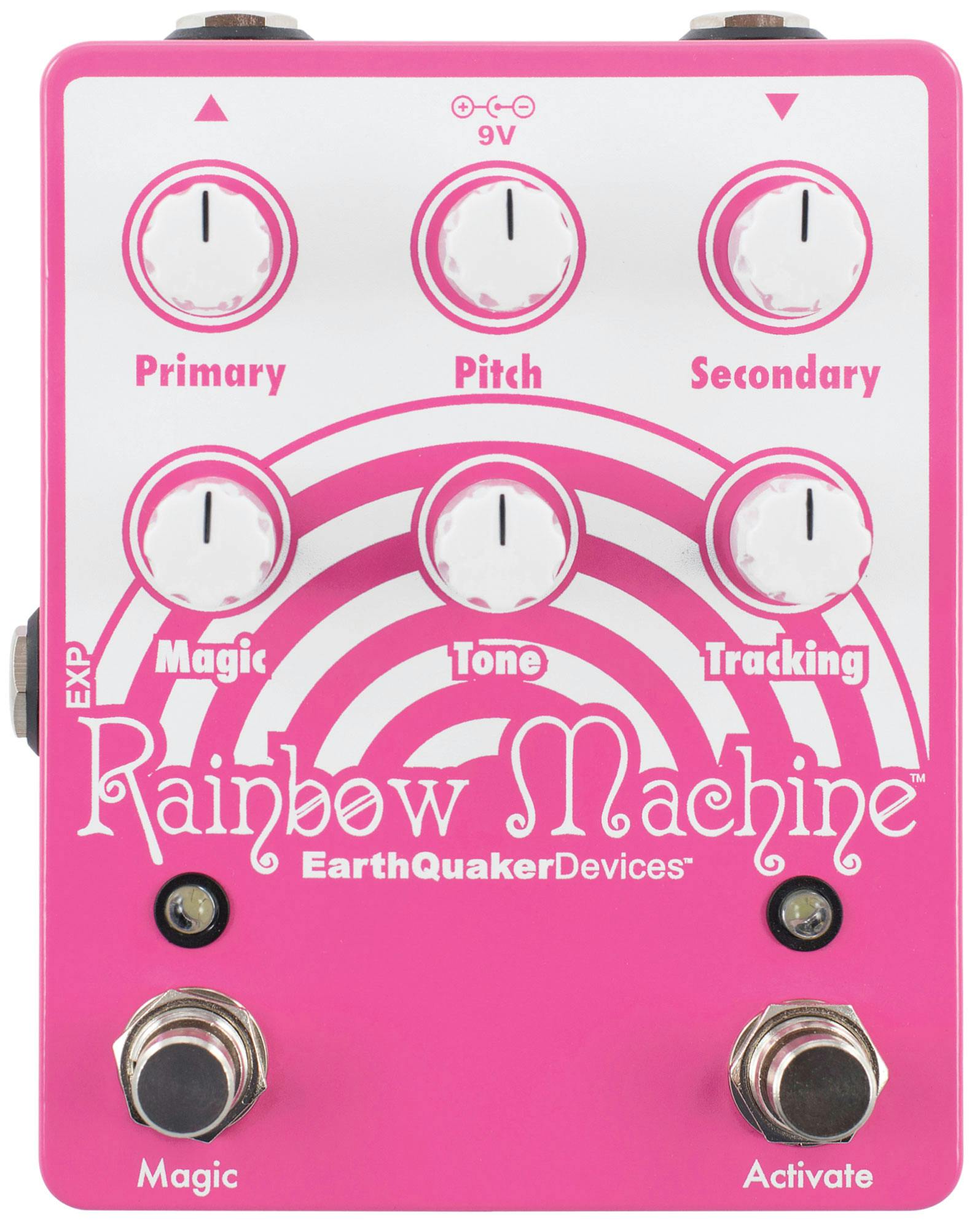
The Earthquaker Devices Rainbow Machine is a completely mad pitch shifter, chorus and echo in one. It also has a unique voicing thanks to the ‘magic’ button. Just think ’60s sci-fi TV shows – Earthquaker specialise in those crazy mishmash effects. It’s worth checking out the Afterneath reverb and Data Corruptor for more intriguing sounds.
The Super Ego is designed to make your electric guitar sound like a synth. So putting this on top of a synth can only be a good thing, right? The possibilities with this thing are close to endless. It has 11 modes and an expansive EQ.
F.A.Q.
Is it complicated to add guitar pedals to a synth?
No. Because both guitar pedals and synths use 1/4” jacks, the process is simple to assemble and achievable for anyone with a bit of space at home.
Do I need pedals with stereo input/output?
The majority of guitar pedals have mono in/out, so, if you have a stereo synth and you want to keep that stereo sound, you’ll need to ensure that the pedals you use also have a stereo in/out.
What is a Eurorack?
Eurorack is a modular synth format, meaning that all Eurorack synth components are designed to work seamlessly with one another.
Do guitar pedals sound better than built-in effects?
Synth keyboards usually have basic in-built effects such as reverb, delay and chorus, but, in most cases, they simply don’t sound as good or aren’t as diverse as guitar pedals. Stompboxes come in an amazing variety, from containing very specific modulated voicings to housing an array of parameter. There are so many brands and combinations of effects out there, it’s incredible what you can discover.
How can I avoid background noise when using a guitar pedal with a synth?
Synths produce around 20dB more than electric guitars. When you run a loud synth into a guitar pedal the signal can become distorted or noisy. The easiest solution to turn down the volume on the synth, but you may find the noise-to-level ratio is still too great.
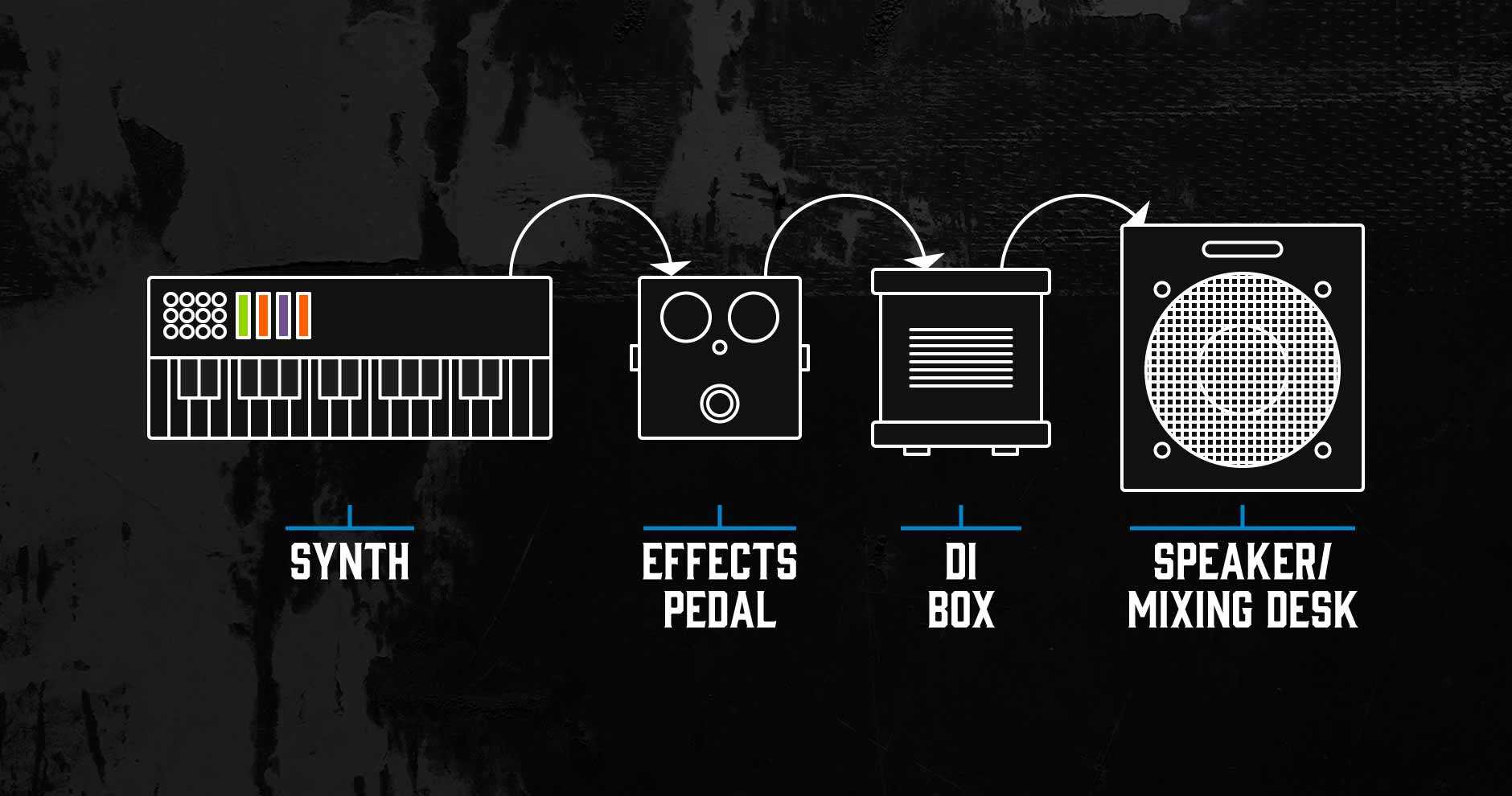
This is most common in fuzz pedals, which don’t react well to a low impedance. If you do have a pedal you think might cause problems, use an attenuator or reamp to adjust the signal. A DI box following on from the effects pedals could be a worthwhile addition.
Where can I put all the pedals!?
There are two appropriate options: create a conventional pedalboard like a guitarist, or keep them on top of the synth/on a dedicated stand. The former is great if you don’t need to change lots of settings as you can keep it on the floor, out the way. But the latter lets you twiddle and experiment on the fly.
Want to find out more?
Check out some of our other blogs on all things pedals, synths, you name it!





Responses & Questions