


- Amp modelling
- Amp profiling
- Who makes amp modellers and profilers?
- Where does modelling and profiling come up short?
- Profiler or modeller: Which one is for you?
Digital guitar amps have come a long way in being able to add hundreds of consistently strong, realistic tones to your sonic arsenal. There are two common ways of emulating analogue valve amplifier tones: modelling and profiling. They ultimately achieve the same goal in creating satisfying electric guitar amp sounds, but they’re built on different technologies and serve slightly different purposes. I’ll explain what they are and how you might benefit from each method.
Amp modelling
Amp modelling is a software-based recreation of the behaviour of a real amplifier. Guitar amps are analysed to measure their EQ curves and how they react to different signals and then sound engineers build digital models to replicate those results. Modelling aims to get as close as possible to the sound and feel of popular amp tones. This is the route that most multi-effects units take. If done well, they can be convincing to the point where you wouldn’t be able to tell them apart from the original amp they’re emulating.
Amp profiling
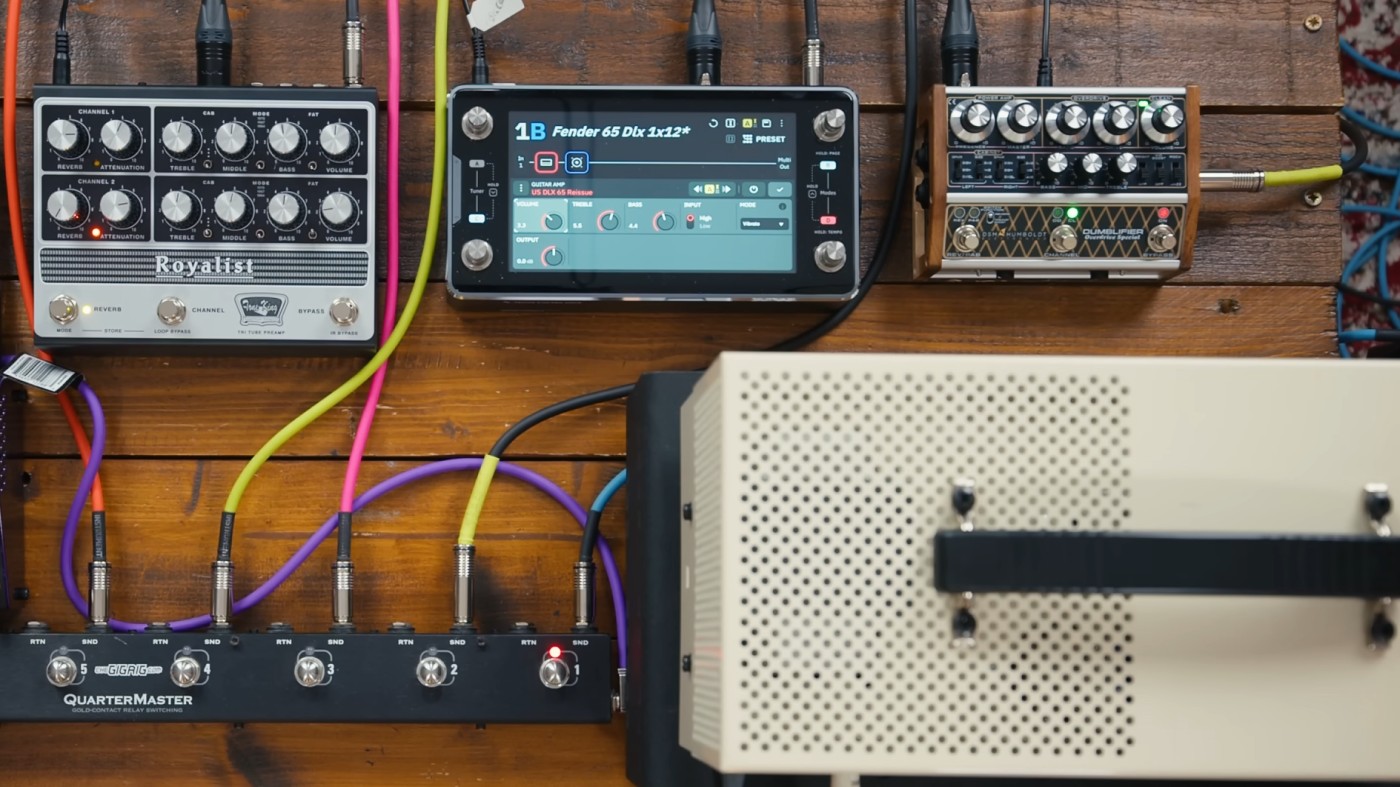
Then there’s amp profiling. This involves capturing a real amp’s response more directly. Think of it like a snapshot of audio data, like a picture. Test signals are sent through an amp, which are then recorded in a way to capture the reactions to those signals. These recordings are an almost one-for-one capture of the exact setup, which could be any combination of amp, cabinet and microphone in a signal chain. Load the profile without touching any EQ controls or adding any extra effects and you’ll essentially get the exact same sound as the recorded amp.
Neural amp modelling (NAM), an open source version of amp profiling, is the latest movement in the guitar space. You can download captures of all sorts of amp snapshots to your compatible amp pedal completely free. Darkglass with the Anagram multi-fx pedal, Valeton and Mooer and Nux are some of the big brands to have got onboard with NAM so far.
Who makes amp modellers and profilers?
Pure modellers
Line 6 and their ever-present Helix range has dominated modelling technology over the past decade, along with Fractal Audio with the Axe-FX and Boss’ GX and GT units. They’ve made their way into countless professional and amateur setups alike and the latest Helix Stadium brings modelling tone one step further in recreating the very distinct type of sag and compression of a valve amp.
Coming in at the more affordable end of the spectrum is the Mooer GE and Hotone’s Ampero series. You really can’t go wrong with these options depending on your budget. The main differences between entry level modellers and the full fat pro units are the user interface, the connectivity to allow for larger setups, the breadth of tones and customisation, and a bit of sonic refinement.
Leaders in profiling
In the world of profiling, Kemper is the clear standout name with its Profiler series widely used by touring musicians and studio professionals alike. The Kemper Profiler not only lets you capture and load your own amp profiles, but you can access a huge library of community-shared tones and FX blocks. Always wanted to try using an expensive amp like a Mesa Boogie Dual Rectifier? Select a profile from the library and take it for a spin! Kemper integrates the original amp’s gain and tone controls into the capture better than anyone else for natural-sounding customisation. Another huge benefit is the ability to reamp your guitar signal, which is a massively useful tool when recording as you can switch in and out unique guitar tones until you find the perfect fit. However, the question on everyone’s lips: is the Profiler better than a traditional amp?
If you’re shopping on a budget, then the IK Multimedia AmpliTube TONEX range of pure profile capture pedals is a brilliant option. It grants access to sounds from iconic Marshall, Engl, EVH and Mesa amps as well as classic pedals from Ibanez, MXR and ProCo. There’s loads of room to add your own across hundreds of save slots.
Hybrid modeller and profiler systems
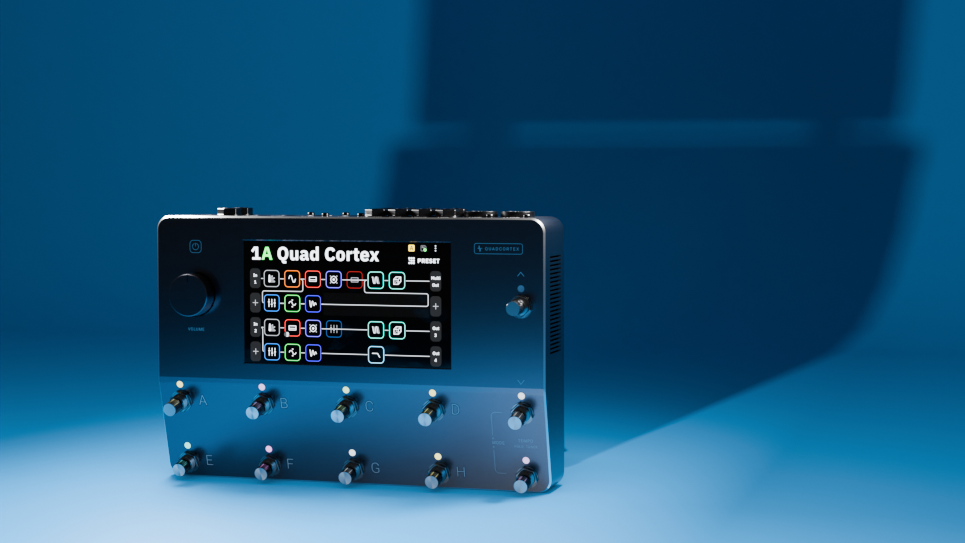
The Neural DSP Quad Cortex has been massively successful the world over in combining the two modelling and profiling methods. The best-selling floor amp comes loaded with several legendary amp emulations, as well as offering the possibility to capture and profile your own amp tones. There’s an entire library amongst QC users where you can download specific captures of personal amps – some you’ll never be able to find anywhere else.
The same goes for the Headrush Prime with its ability to profile, so you can take perfect snippets of your tone wherever you go and get exactly the same realistic sound, but at a slightly lower price and arguably with not quite as sophisticated pre-loaded sounds as the dominant players in amp modelling. Still a fantastic compact amp solution and a great practice tool thanks to the Tidal streaming platform integration and built-in drum machine.
Where does modelling and profiling come up short?
Amp purists will argue that neither process sounds quite like the real thing and for different reasons: modelling technology is created wholly within a computer program, which relies on an engineer’s interpretation of how an amp truly sounds and reacts to guitar signals. Simply, a tone patch might not sound that alike to the original amp it’s based on. You’re unlikely to come across a sound that isn’t usable, but it’s not impossible you might left wanting more.
As for profiling, at the end of the day, it is just a singular snapshot. Like a printed photograph, you can’t zoom in to inspect every detail, walk around the subject or change its shape after it’s been taken. When you change the EQ of this captured tone, those controls are approximations built on top of the captured profile. It’s not a perfect like-for-like for tweaking the controls on the amp itself.
In my opinion: both amp profiling and modelling are so good now that it would be incredibly difficult for an untrained ear to tell either apart from a valve amp if you blind tested them, and that would certainly be the case in a mixed track. You might be able to feel a modeller/profiler lacking that little bit of compressed air and feedback. But in a full band setting, that would again become much less noticeable.
Profiler or modeller: Which one is for you?
Both modelling and profiling have their merits. Modelling offers quick, easy, and versatile access to a wide range of tones. Profiling excels at capturing the exact specs of any given amp for replication at any venue and studio. The former is great because you can dig a bit deeper into tonal customisation, and the latter is incredible for one specific sound you can take with you anywhere.
We’ve seen how some amps specialise in profiling, while others are built on great modelling tech, and some do a bit of both. There’s not much of a price gap between modelling and profiling so whatever amp gets you closest to the tones you love to hear and play through, go with your gut!
If you enjoyed reading this article, make sure to check out more of our Labs blogs!
Responses & Questions