



- 1. Earplugs
- 2. Extension lead
- 3. Pen and paper
- 4. Backup amp
- 5. Spare guitar
- 6. Extra guitar strings
- 7. Additional guitar cable (or two… or three)
- 8. Guitar stand
- 9. Plenty of guitar picks
- 10. Guitar setup tools
- 11. String lubricant/cleaner
- 12. Clip-on tuner
- 13. Cleaning cloth and spray
- 14. Pitch shifter pedal
- 15. Pedal switching system
- Additional gear for your gigging toolkit
Whether you’re gigging for the first time or you’re a seasoned player getting back in the game, we’ve whittled things down to the 15 must-haves every electric guitarist should bring to their next show. From key guitar accessories like spare strings and cables to clever bits of gear that’ll keep your setup slick (and save you from a bit of onstage tap-dancing), we’ve covered everything — from the obvious to the often overlooked.
Before we dive into our stage survival guide, we’re going to assume you’ve already got the basics sorted:
- Your main guitar
- A guitar amp (or amp pedal)
- A pedalboard
- Cables to connect it all together
Got those? Sweet. Now let’s get into the nitty gritty!
1. Earplugs
Yup, they’re boring and not very rock ’n’ roll. But as someone already dealing with tinnitus in their thirties, I can safely say earplugs are one of the most important things you can bring to a gig. You’ll want them in from soundcheck right through to pack down.
Not only will they save your hearing, but if you’re pulling double duty on vocals, they can actually help you hear yourself more clearly if the foldbacks aren’t quite cutting it. The only real exception is if you’re running in-ear monitors, which both protect your ears and give you a personalised mix. They’re a brilliant option if you’re willing to spend the dosh.
2. Extension lead
You won’t be melting any faces in the front row without something to power your amplifier and pedalboard. And unfortunately, the standard power cables that come with most electric guitar amps and pedal power supplies aren’t exactly generous in length. In other words, reaching the nearest mains socket isn’t always guaranteed!
That’s where a trusty extension lead comes in. Bringing one (or two) with enough outlets for your rig is always a smart move. Just make sure you go for something a few metres long, so you’re not caught short on stage.
Pro tip: Multi-sockets with individual on/off switches for can be really handy and a little safer when plugging gear in and out.
3. Pen and paper
You might’ve printed out lovely, easy-to-read setlists in bold, all-caps for everyone in the band — but if your singer suddenly doesn’t feel like belting out “Sweet Child O’ Mine” or your drummer chickens out of “Tom Sawyer” for the umpteenth time, you’ll need to make a few quick tweaks.
That’s why a pen and a few sheets of paper are a bit of a no-brainer. Even if you’re not swapping songs last minute, they’re useful for jotting down things like “Drop D tuning” reminders next to those grungier songs in your set, or the patch number on your fancy digital delay pedal.
It’s also not a bad shout to scribble down a few ideas for what to say between songs. And if you’re at a jam sesh using charts, you’ll almost certainly end up making notes as you go.
4. Backup amp
Whether you’re playing a 30-minute support slot at your local venue or a two-hour function gig, it’s always worth bringing a backup amp. With valve amps, you never really know when a tube might go kaput. And when it does, it can be a proper show-wrecker (it happened to me a few years ago at a very big gig, and I still get PTSD).
Even if you’re not using valves, solid-state and digital amps aren’t totally immune to the odd issue — just like any bit of electronics. So, if your main tone machine suddenly conks out, always have a spare on standby to save the day.
It doesn’t have to be a like-for-like replacement either. Compact preamp pedals or pedalboard amps are perfect for this sort of thing, especially as most can be plugged straight into front of house.
5. Spare guitar
Don’t forget a backup guitar too. Just like your amp, your axe could suffer from the occasional technical gremlin. But the main reason why you’ll want a spare is if you break a string. When that happens, then you can just quickly unplug, grab your backup, plug in again and carry on without missing a beat.
If you don’t already have a stage-ready spare, there are plenty of great options out there that won’t break the bank. Brands like Sire are a solid shout, offering pro-grade, budget-friendly instruments suitable for a range of styles.
Pro tip: Before heading on stage, make sure both your main and backup guitars are tuned and ready to go. That way, if you do need to switch, you’re not left tuning up while the rest of the band fills the silence. There’s nothing worse than an unexpected jazz fusion jam to kill the vibe!
6. Extra guitar strings
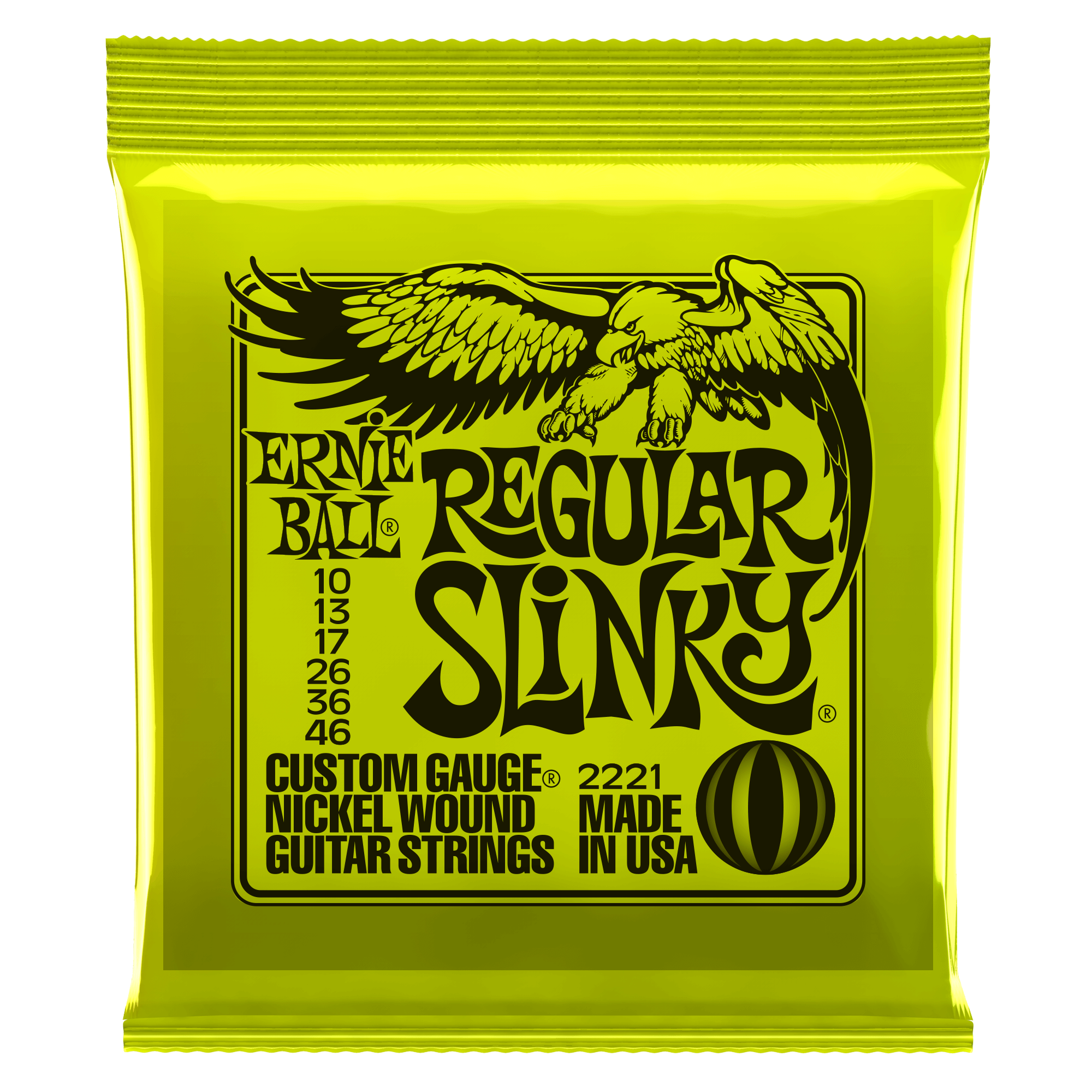
On the subject of snapped guitar strings, make sure you’ve got a couple of spare packs tucked away in your case or gig bag. If one goes during soundcheck, you’ll have plenty of time to swap it out before your performance. And if disaster strikes mid-set, you might even have enough time to get your number one restrung and back in action.
Pro tip: Restring your guitar at least a day before the show. Fresh strings are less likely to break, sound brighter (helping you cut through the mix) and feel nicer to play. Just avoid doing it on the day — you’ll want to give them time to stretch in properly, otherwise you could find yourself battling tuning issues all night.
Shop all electric guitar strings
7. Additional guitar cable (or two… or three)
Now, your guitar cable won’t snap like a string (unless a heavy-footed sound guy parks their size 14 on it). But it’s not going to last forever, especially if you’re out gigging on the reg. Clumsy bandmates have stepped all over my guitar cables, and I know it’s only a matter of time before my trusty D’Addario lead of a few years gives up the ghost.
So, make sure you pack at least one spare cable — or even two, in case you need to bail out your bassist who’s forgotten theirs. Running a wireless system? It’s still worth having a lead handy in case your batteries die or you run into signal issues.
Pro tip: If you’re also doing vocals, chuck a couple of XLR cables in your bag. And stuff a few patch cables in there too, just in case one starts playing up on your pedalboard.
8. Guitar stand
Leaning your pride and joy against your amp is an absolute no-no. It’s a bad habit at home — but on stage, it’s basically asking for trouble. One knock and you could be dealing with a nasty accident, so definitely invest in a proper guitar stand to keep your instrument safe and secure.
I personally use a Hercules GS402B Mini Guitar Stand as it’s sturdy, compact and folds down small enough to put in my rucksack. But to be honest, even budget guitar stands are miles better than balancing your guitar precariously against anything.


.jpg?w=400&h=400&&fit=fill&bg=FFFFFF)




Responses & Questions