Using guitar pedals with a synth

Find out how to branch out your synth sounds with the help of a few tried and tested guitar pedals.

Cian Hodge

Cian Hodge

Are your inbuilt synth effects getting boring? Running out of ways to spice up your sound? It might not be your first thought – but adding guitar pedals into your synth rig can open a whole new world of sonic variety. Alternatively, if you’re a guitarist with some pedals lying around, get your hands on a cheap synth and hear your familiar effects in a whole new light. Here are some fantastic options to explore.

How to use guitar pedals with a synth

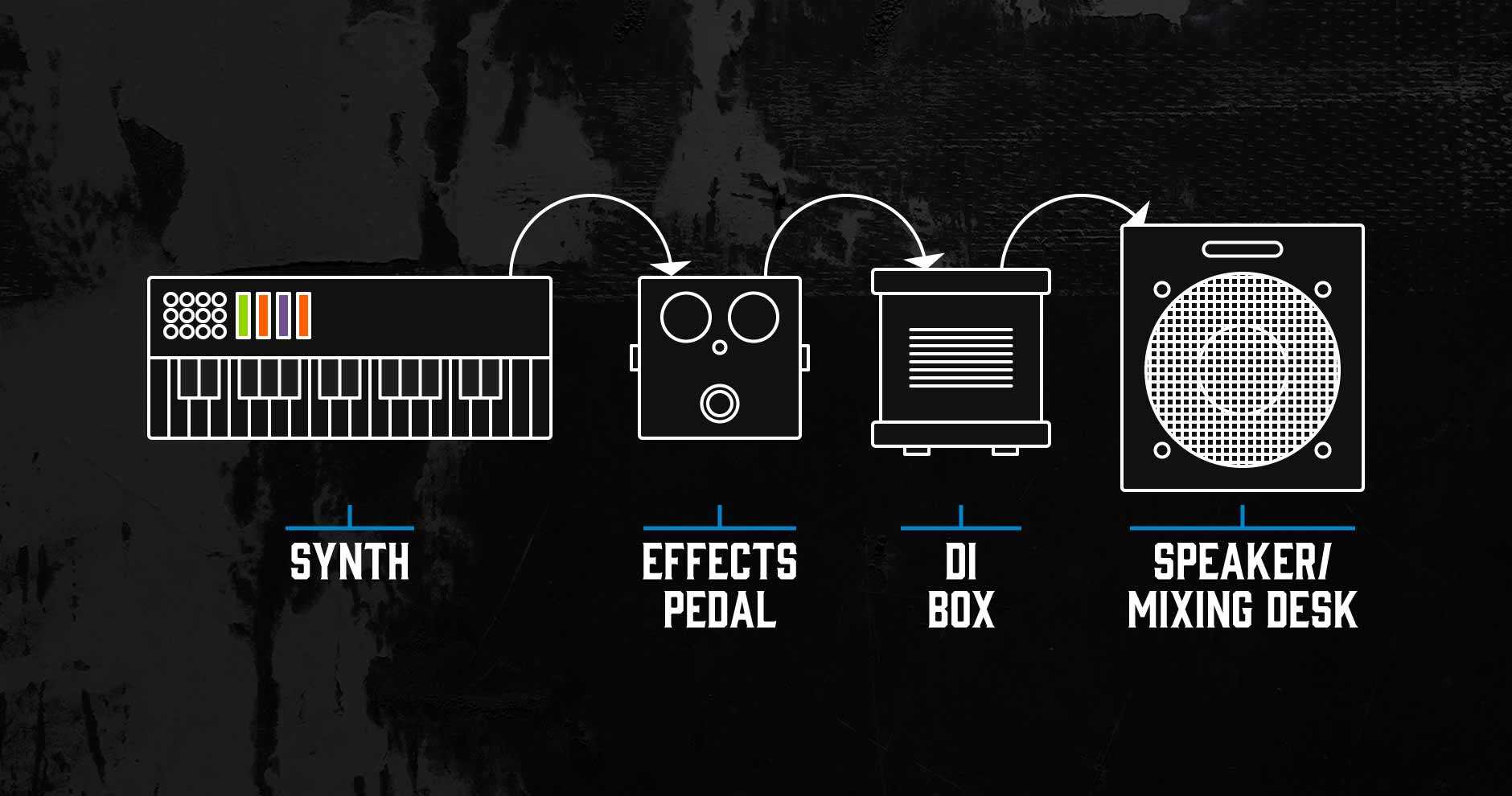
Guitar pedals take a plain, dry signal and twist it in ways you never thought possible. Because both stompboxes and synths use 1/4” jacks, the process is simple to assemble and achievable for anyone with a bit of space at home. If you’re a gigging musician, you can incorporate pedals into your live set-up for that extra wow factor. For Modular & Eurorack Synth users, think of a pedal as another module to add to your sound.

Synth keyboards usually have basic in-built effects such as reverb, delay and chorus. In most cases, they simply don’t sound as good or aren’t as diverse as guitar pedals. Stompboxes come in a an amazing variety, from containing very specific modulated voicings to housing an array of parameter controls – both if you pay ‘boutique’ prices. There are so many brands and combinations of effects out there, it’s incredible what you can discover.
Guitar pedal brands to look out for


Eventide Audio

Shop All Eventide Audio Pedals

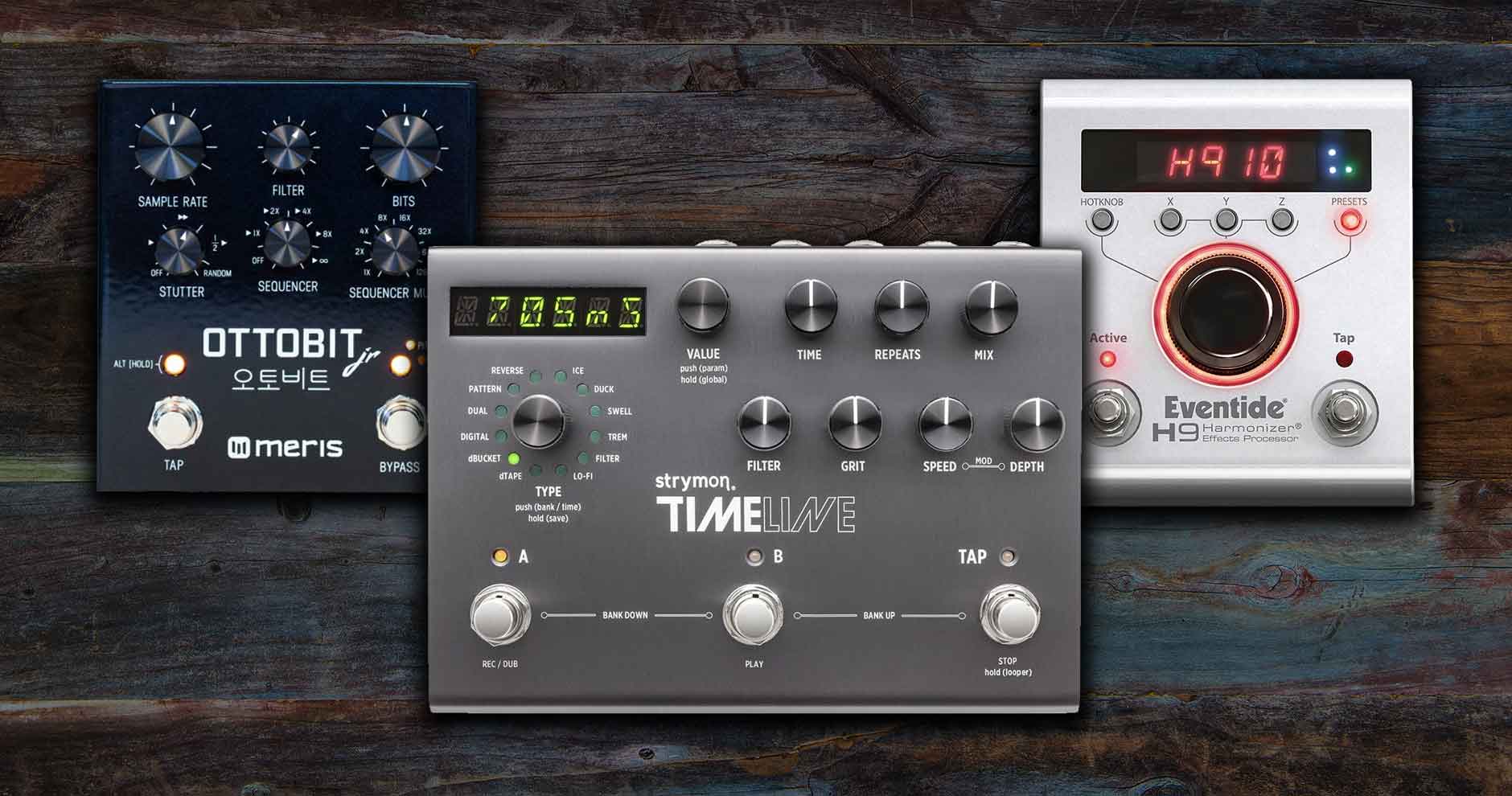
The Eventide H9 has everything you need in one small box. It combines the whole Eventide stompbox range into one compact pedal. A huge amount of effects and parameters are at your disposal including delay, pitch shifting, reverb and a whole host of modulations. The only downside is the relatively simplistic interface, so if you’re after a specific effect check out Eventide’s other pedals such as the Timefactor or Space.

Strymon

Shop All Strymon Pedals

Strymon are Eventide’s biggest rivals in multi-setting FX with the likes of the BigSky, Mobius and Timeline. These are the ultimate guitar pedals and cannot be praised enough. All are designed from the ground up to work with synths too, and offer a sheer, transparent sound.

Meris

Shop All Meris Pedals

Meris are known for their Eurorack modules (see F.A.Q. below), so they know how to make pedals work well in conjunction. The Meris Ottobit Jr. in its simplest description is a bit crusher, offering those game console stutters and 8-bit noises. But, as it’s based on their Eurorack module, there’s so much more to it. Use it to control swells, pitch and sequencing. Meanwhile, the MercuryX is the perfect pedal for those ambient Blade Runner reverb expanses. As with everything else in this bracket, it’s costly, but it’s the only reverb you’ll ever need.

Electro-Harmonix

Shop All Electro-Harmonix

The Electro-Harmonix Operation Overlord is an overdrive pedal designed to work with synths, which is a rare thing. It can add that little bit of dirt needed for more of an old-school sound. Stereo too, so if you want to run a stereo-only setup (see F.A.Q. below) it’ll bounce nicely with a ping-pong delay. Don’t forget to check out other units such as Nano Q-Tron, Bad Stone, and String9.
Bang for your buck

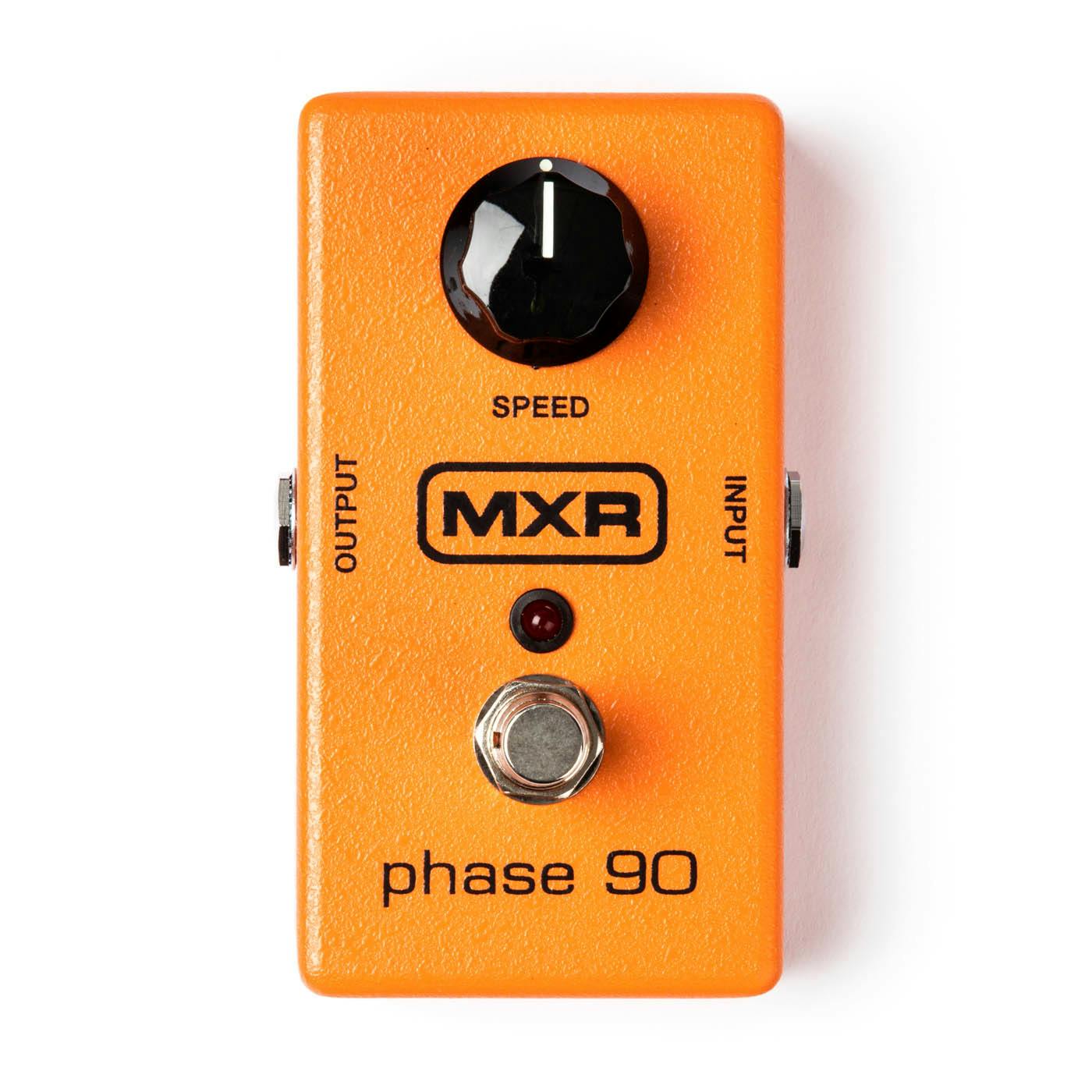
MXR Phase 90

The classic MXR Phase 90 is simple, yet effective. One knob controls the speed of the phaser, so it’s not for those who love to delve deep into the variety a pedal provides, but you’ll get a straight up cool modulation.

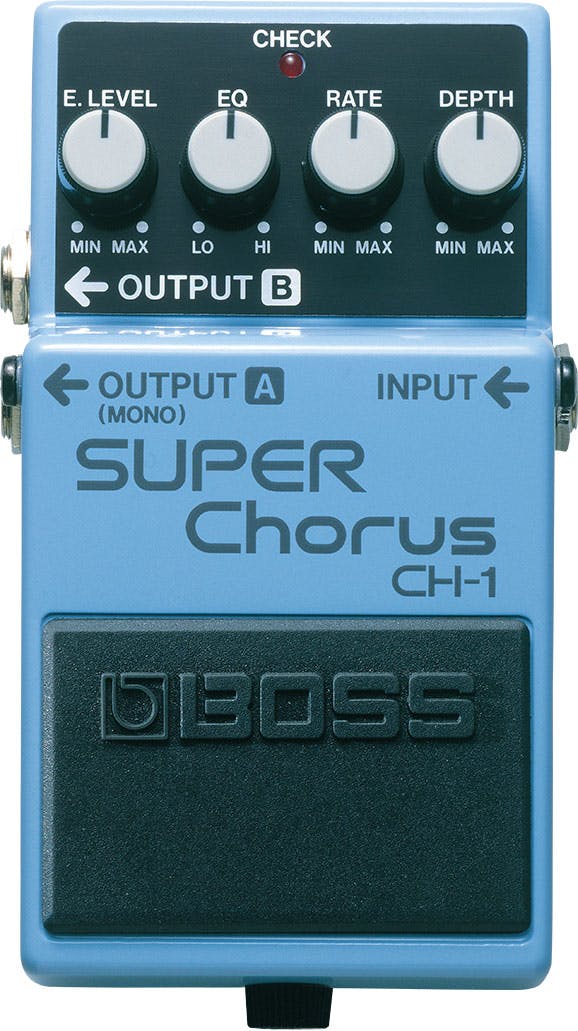
Boss CH-1 Super Chorus

The Boss CH-1 Super Chorus is the standard chorus for absolutely anything. It’s not particularly beautiful or articulated, but it does a good job in layering stunning chorus and is an excellent starting point for anyone getting into the experimentation process.

Crazy sounds

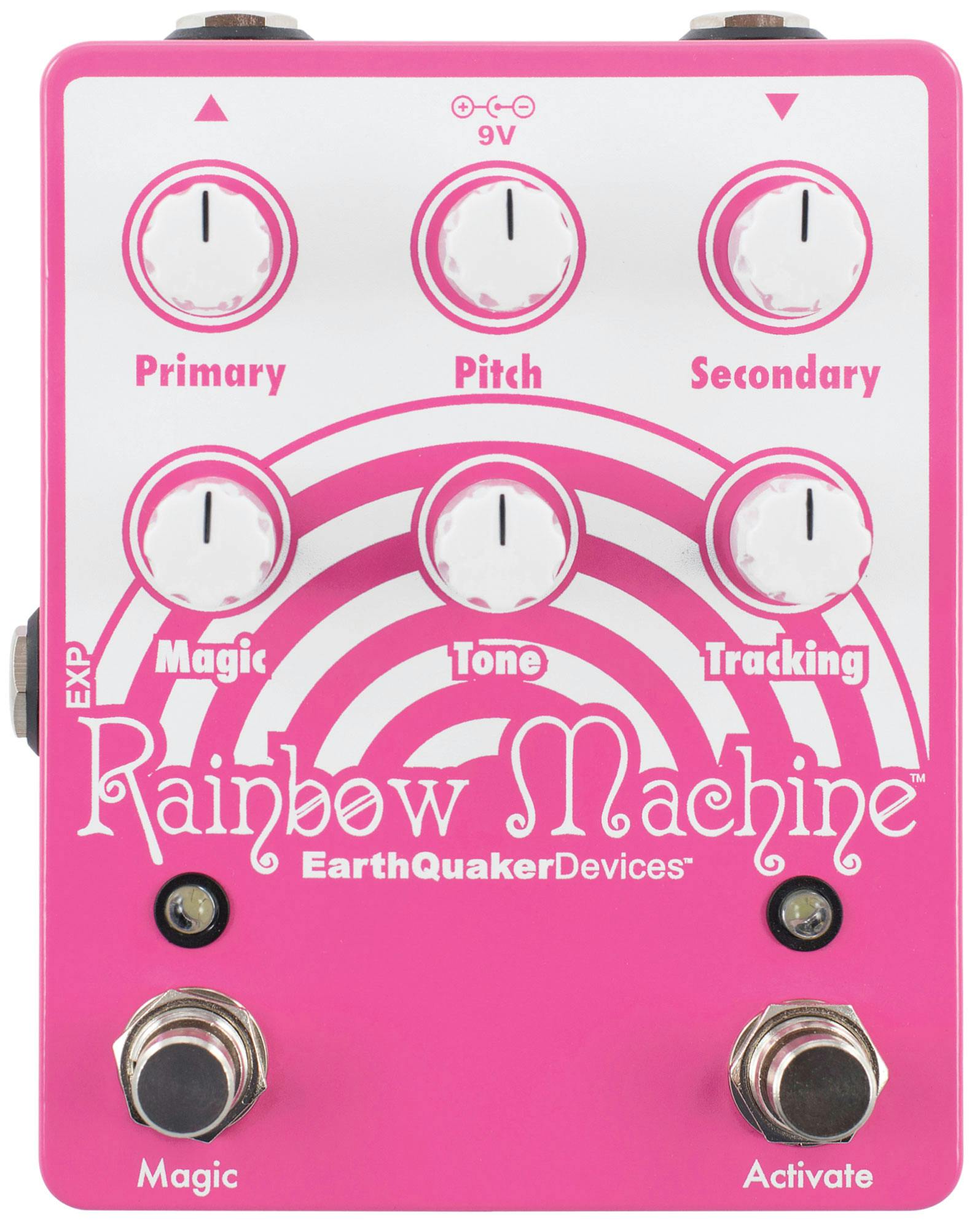
The Earthquaker Devices Rainbow Machine is a completely mad pitch shifter, chorus and echo in one. It also has a unique voicing thanks to the ‘magic’ button. Just think ’60s sci-fi TV shows – Earthquaker specialise in those crazy mishmash effects. It’s worth checking out the Afterneath reverb and Data Corruptor for more intriguing sounds.

Electro-Harmonix’s Super Ego

The Super Ego is designed to make your electric guitar sound like a synth. So putting this on top of a synth can only be a good thing, right? The possibilities with this thing are close to endless. It has 11 modes and an expansive EQ.

F.A.Q.

Is it complicated to add guitar pedals to a synth?

No. Because both guitar pedals and synths use 1/4” jacks, the process is simple to assemble and achievable for anyone with a bit of space at home.

Do I need pedals with stereo input/output?

The majority of guitar pedals have mono in/out, so, if you have a stereo synth and you want to keep that stereo sound, you’ll need to ensure that the pedals you use also have a stereo in/out.

What is a Eurorack?

Eurorack is a modular synth format, meaning that all Eurorack synth components are designed to work seamlessly with one another.

Do guitar pedals sound better than built-in effects?

Synth keyboards usually have basic in-built effects such as reverb, delay and chorus, but, in most cases, they simply don’t sound as good or aren’t as diverse as guitar pedals. Stompboxes come in an amazing variety, from containing very specific modulated voicings to housing an array of parameter. There are so many brands and combinations of effects out there, it’s incredible what you can discover.

How can I avoid background noise when using a guitar pedal with a synth?

Synths produce around 20dB more than electric guitars. When you run a loud synth into a guitar pedal the signal can become distorted or noisy. The easiest solution to turn down the volume on the synth, but you may find the noise-to-level ratio is still too great.

This is most common in fuzz pedals, which don’t react well to a low impedance. If you do have a pedal you think might cause problems, use an attenuator or reamp to adjust the signal. A DI box following on from the effects pedals could be a worthwhile addition.

Where can I put all the pedals!?

There are two appropriate options: create a conventional pedalboard like a guitarist, or keep them on top of the synth/on a dedicated stand. The former is great if you don’t need to change lots of settings as you can keep it on the floor, out the way. But the latter lets you twiddle and experiment on the fly.

Want to find out more?

Check out some of our other blogs on all things pedals, synths, you name it!

Cian Hodge
Cian Hodge
Cian is a writer for the Andertons team. He shares his birthday with Muse frontman Matt Bellamy and believes he will one day reach the same level of stardom. Cian is a big metal fan so naturally loves Bare Knuckle pickups and pointy guitars.

Responses & Questions

Leave a Reply