



- Why not just buy a synth?
- 1. Synth guitar pedals
- 2. Fuzz & Other Guitar Effects Pedals
- 3. Sustainer/ MIDI Pickups
- 4. Playing techniques
- Summary
Synths are amazingly creative and versatile instruments. Just like guitars, synthesisers come in all shapes and sizes. Unlike guitars, which most of the time ranging from clean to overdriven tones and sound quintessentially guitar, synths cover a vast sonic scope, one sound completely detached from another. From soft triangle wave pads to fat bass, retro square waves to bell chimes, string plucks to mellow sine waves, squelchy acid drops to harsh sawtooth waves and everything in between, there’s an endless way to incorporate synth sounds into your music – it’s no wonder guitarists want to get in on the action.
Lucky for you, it’s not difficult to replicate a synth sound on our stringed instruments while still being able to utilise our guitar skills to great effect. There are several options at our disposal in the form of guitar pedals, gadgets and a few free-thinking techniques to create synth tones.
Why not just buy a synth?
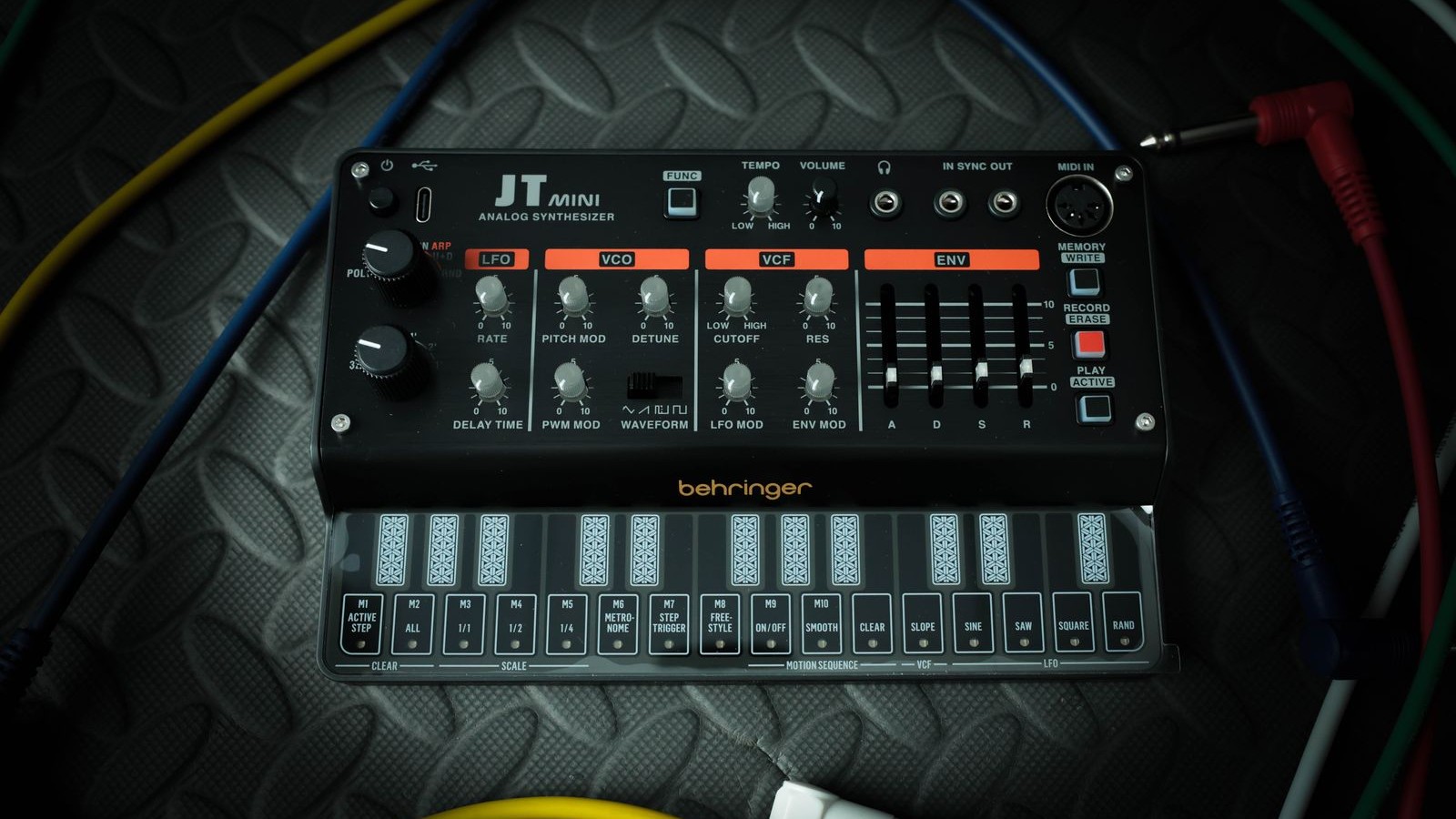
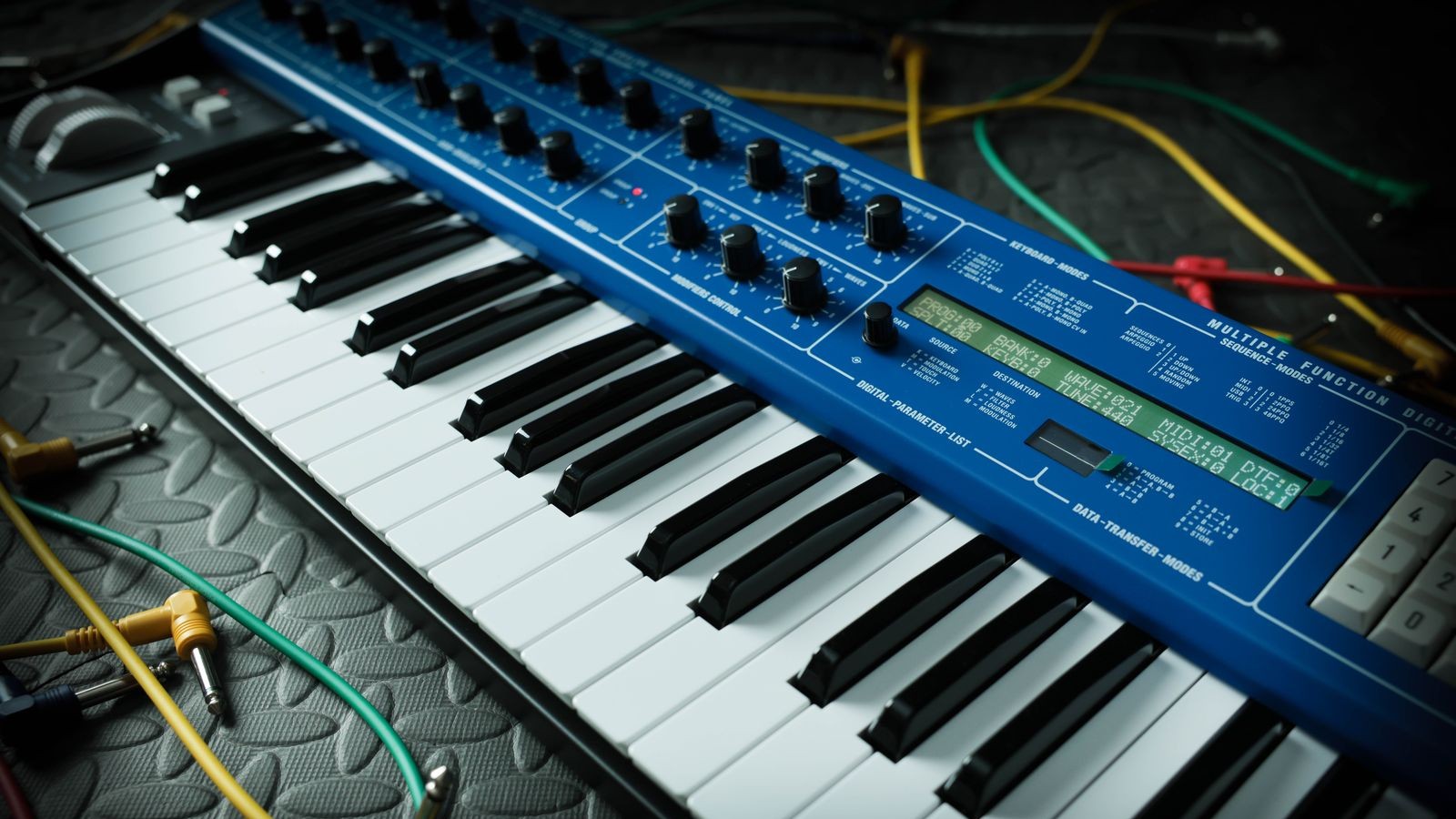
There’s nothing stopping you from buying a synth. There are some really affordable options from the likes of Behringer, Korg and Arturia (great for saving presets) that recreate the tones of classic models that shaped house, EDM, hip-hop, R&B and plenty of other electronic-influenced subgenres. Even in rock and metal, the likes of Slipknot, My Chemical Romance, Van Halen and Bring Me The Horizon have all utilised synths. They’re not all that difficult to learn to play either.
However, there’s a lot to say for being able to apply your abilities on the guitar to a synth sound. We have a way of writing songs and techniques that have the potential to sound cool with an alternate synthy tone. You may also be searching for a very particular sound that a guitar and synth-infused gear/techniques can only achieve.
Plenty of synths will also present the challenge of learning how to play an entirely new instrument. Although some synths don’t incorporate a keyboard layout, most do, and the typically high-end models called workstations opt for a piano-like playing experience. On top of that, you’ve got all the different parameters you’ll have to learn how to control to get your desired sounds.
Plus, if you’re planning to perform live, you’ll have to consider how you’ll play both instruments at the same time and may need to adjust your music to be able to jump over to the synth if you don’t have a dedicated keyboardist but still don’t want to play that part on a backing track.
1. Synth guitar pedals
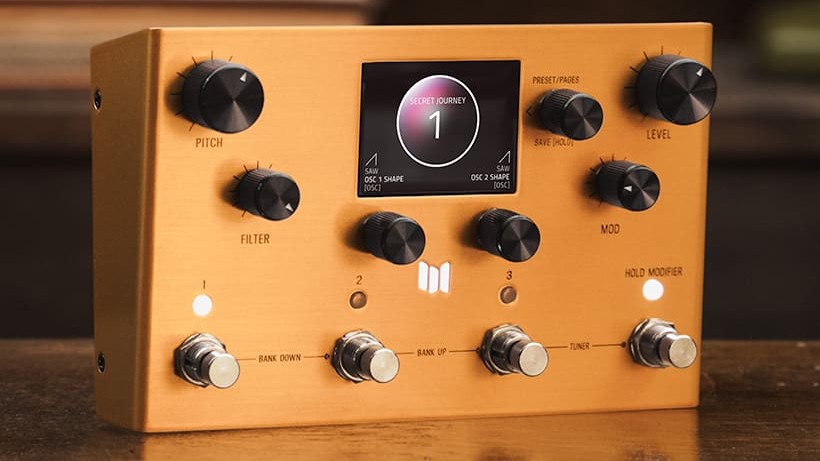
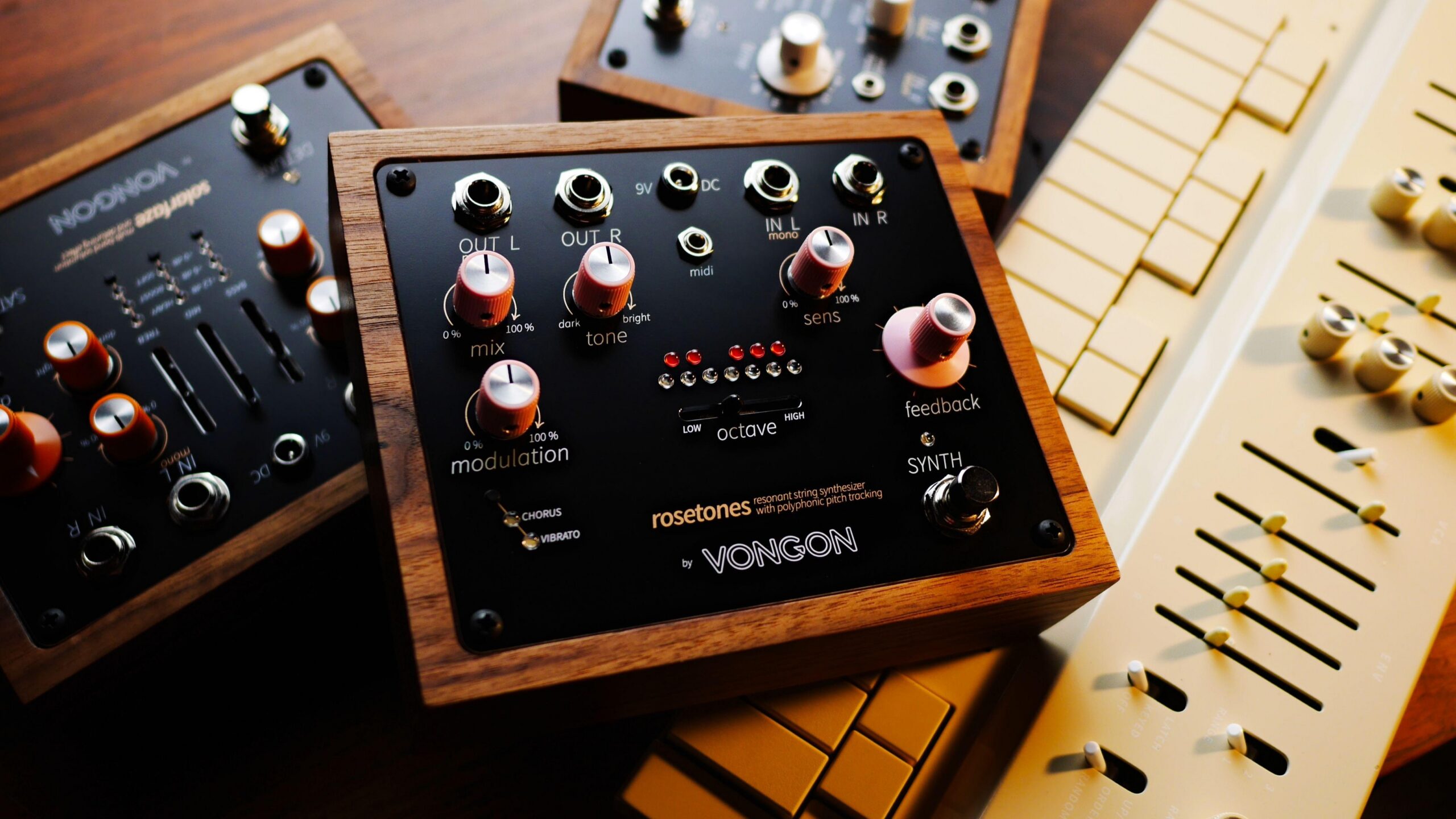
The most straightforward method on the list – get yourself a dedicated synth guitar pedal! This is a sure-fire way of harnessing realistic synth tones based on carefully curated sounds. They work by processing your dry signal through digital algorithms. You’ll find pedals that recreate classic analogue synths renowned for their warmth and grit, more immediate and experimental digital synth influences, all sorts of strings, bell and organ sounds, lo-fi chiptune textures and crushed 8-bit madness. They also incorporate other effects commonly paired with a lot of synths, like arpeggiators and frequency filters.
Guitar synth pedals have come a long way from their earlier days when they were often dismissed for poor sound quality and frustrating latency issues. Today’s releases are genuinely impressive, packing an incredible range of synth tones into compact, stage-ready formats that work seamlessly in live settings.
What makes modern synth pedals so appealing is their versatility. A single unit can provide hi and lo-pass filtering, modulation, oscillation patterns, bit-crushing, compression, and built-in reverb and delay effects. It’s like having multiple pedals rolled into one convenient package.
Top Recommendations
• Meris Enzo X and Ottobit X both stand out as powerful and comprehensive options, offering what feels like an entirely new instrument with seemingly endless sonic possibilities.
• Boss SY-200 is packed full of stellar synth sounds with excellent tone shaping controls and MIDI compatibility.
• Electro-Harmonix Super Ego Plus creates huge sound layering possibilities, infinite sustain and glissandos (gliding from one pitch to the next) with 11 unique effects you’d find in legendary synths.
• Line 6 Helix Stomp is an all-rounder multi-effects processor with surprisingly authentic synth capabilities alongside comprehensive tonal control.
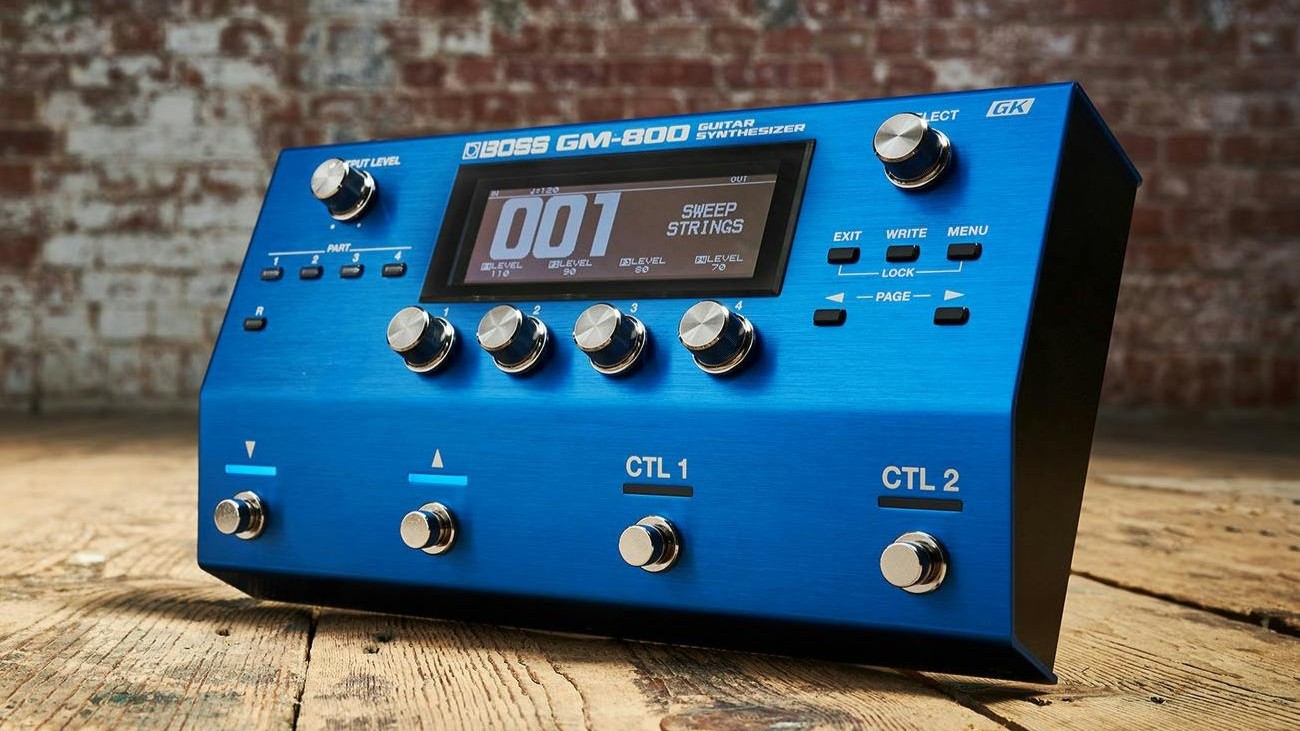
There are several more straightforward compact options as well at more affordable prices. Electro-Harmonix’s Mono Synth is a reliable choice that provides great ’80s-inspired bass and lead tones, and the Boss SY-1 is the compact, more basic version of the SY-200. The Behringer BM-17 Frequency Box is centred around a voltage-controlled oscillator for thick fuzz tones through to full-on modular synth customisation. Heading up in price is the GM-800 is Boss’ fully kitted out version with hundreds of original sounds and insane tone tweaking capabilities.
2. Fuzz & Other Guitar Effects Pedals
As well as purpose-built guitar synth pedals, you can get in on the synth vibes with a combination of essential stompboxes. Think of the guitar like an analogue synth’s oscillator forming a basic sound wave and then shaping the signal with distortion and filters and layering with modulation and time-based effects. Your pedal signal chain mirrors basic synth architecture: oscillators → filters → amplification/effects.
Silicon Fuzz
At the top of this list of synth-style effects is fuzz, which you can use as a starting point to get a very un-guitar-like synth lead tone. A modern silicon fuzz or distortion with a mix control for endless sustain (and possibly a gated setting for a synthetic cut-off to your notes) gets surprisingly close to a fat square waveform through clipping and adding harmonics. Think thick, soaring melodies found in a lot of dance tracks – that’s exactly what you’re aiming to recreate with this type of fuzz setup. Companies like Electro-Harmonix, ZVEX, JHS Pedals, and Walrus Audio make excellent options for this application.
Filters, modulation and pitch shifting
These types of pedals help move us away from traditional guitar tone and remove the harmonic content that immediately tells our brains we’re listening to a guitar.
Compression helps to create a denser sound and remove the dynamic variation that’s so closely associated with a guitar. Filter pedals make your guitar sound less “guitar-like” by adding and subtracting frequencies, using low frequency filters, and by creating vocal-like qualities using various processing and sweepable/random peaks, a bit like wah pedals.
Pitch shifting offers a way to push your guitar out of its natural octave range. Try an octave up for a synth lead or an octave down for a bass synth. Chorus works great with pitch shifting, resembling multiple slightly detuned oscillators.
Apply some modulation like ring mod, flanger, phaser or tremolo to get the signature sound you like, and finish up with some reverb or delay to bring width and dimension. Turn the mixes up high to round out the stringiness of the classic guitar tone.
Keep in mind that you’ll want to use certain playing techniques in combination with this effect setup to get your guitar really sounding like a synth. More on those techniques later.


.jpg?w=400&h=400&&fit=fill&bg=FFFFFF)




Responses & Questions