


- The machines that changed music
- Where does Behringer come in?
- Are they full clones?
- Are Behringer synths any good?
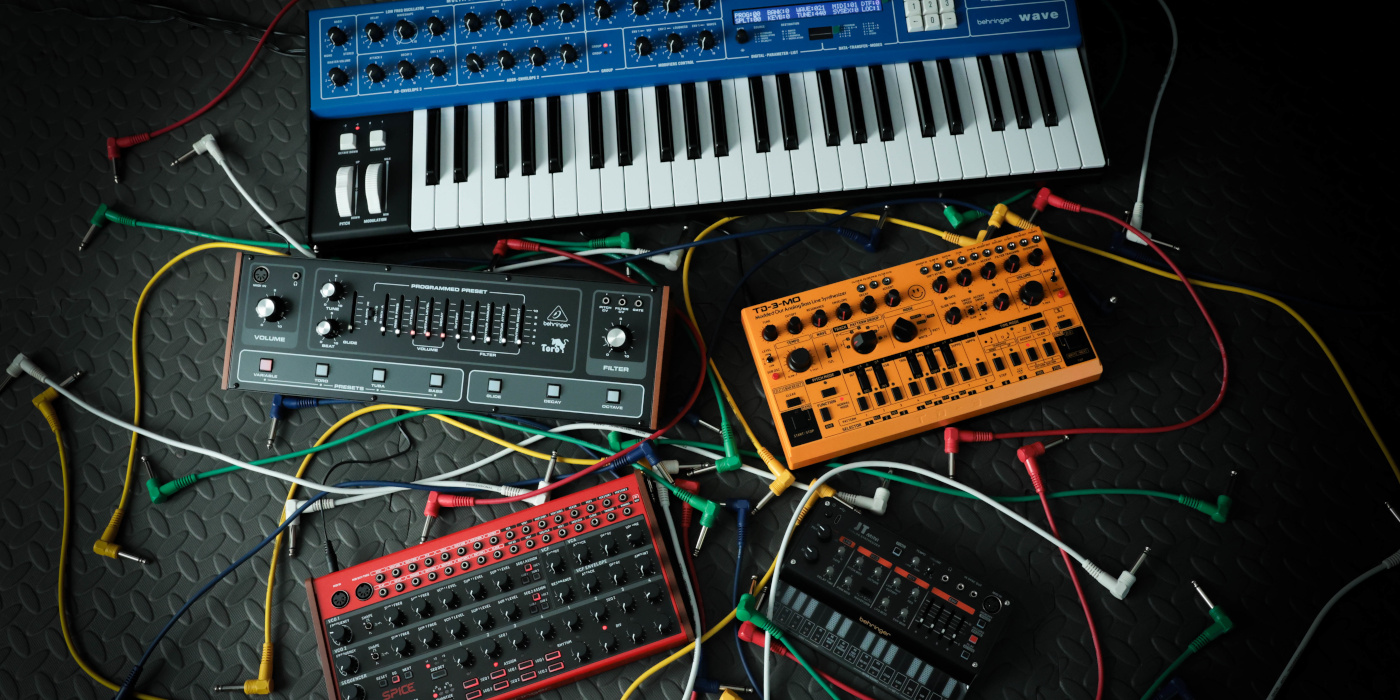
In a relatively short space of time, Behringer has gone from being a peripheral player in the synth market to one of its most recognisable names. Whether you’re a first-time buyer looking for an affordable entry point or a seasoned synthesist chasing classic sounds, chances are you’ve come across a Behringer synth.
Their ever-expanding range has helped introduce countless musicians to the world of synthesis, while also appealing to experienced players with faithful recreations of sought-after vintage designs. In a nutshell, their popularity comes down to a few key factors…
Behringer synths are:
- Affordable
- Very accessible
- Excellent sounding
- Great for beginners
- Influenced by legendary designs and historically significant instruments
The machines that changed music
Since the late 1960s, synths became more and more integral to bands, artists and even composers due to their superior sound design and versatility when compared to a guitar or a piano. Instruments such as the Moog MiniMoog and pretty much the whole of Roland’s numbered instruments gave birth to or heavily influenced music at the time. The Roland TR-808 was a force in hip hop, the TR-909 was loved by techno and house artists, and the TB-303 practically gave birth to acid music thanks to Phuture. Van Halen would have never jumped without the Roland Jupiter 8 either! And the Roland SH-101 is still used heavily to this day live by bands like The Prodigy and the Kaiser Chiefs.
We could talk for hours about the influence of some of these machines. But funnily enough, lots of these instruments were commercial flops at the time, with the TB-303 being the textbook example that later became legendary (vintage units now command extremely high prices). This writer has been actively looking for a Roland TR-909 and, at the time of writing, they stick around the £4,500-£5,000. Now, he wants one, but that’s a steep price; is it worth it? Maybe, but that means they’re out of reach for many who want to experience those classic instruments, and this writer is still looking.
Where does Behringer come in?
Behringer has been creating synths ever since their first hit with the DeepMind, which was heavily influenced by the Roland Juno-106. Then they released the Behringer Model D, which was a great analogue synth based on the Moog MiniMoog. Since then, we’ve seen the TR-808 (RD-8), the TR-909 (RD-9), TR-606 (RD-6), SH-101 (MS-1) and even some very obscure and legendary synths such as the Kobol and Wasp.
They give younger musicians the chance to get hands-on with some physical instruments with cool chunky dials and switches, a nice break from some of the mini synths that became popular in the 2010s. Plus, they allow people to use fully analogue instruments away from a PC and invoke some of the inspiration of yesteryear without being tiddly tiny.
Are they full clones?
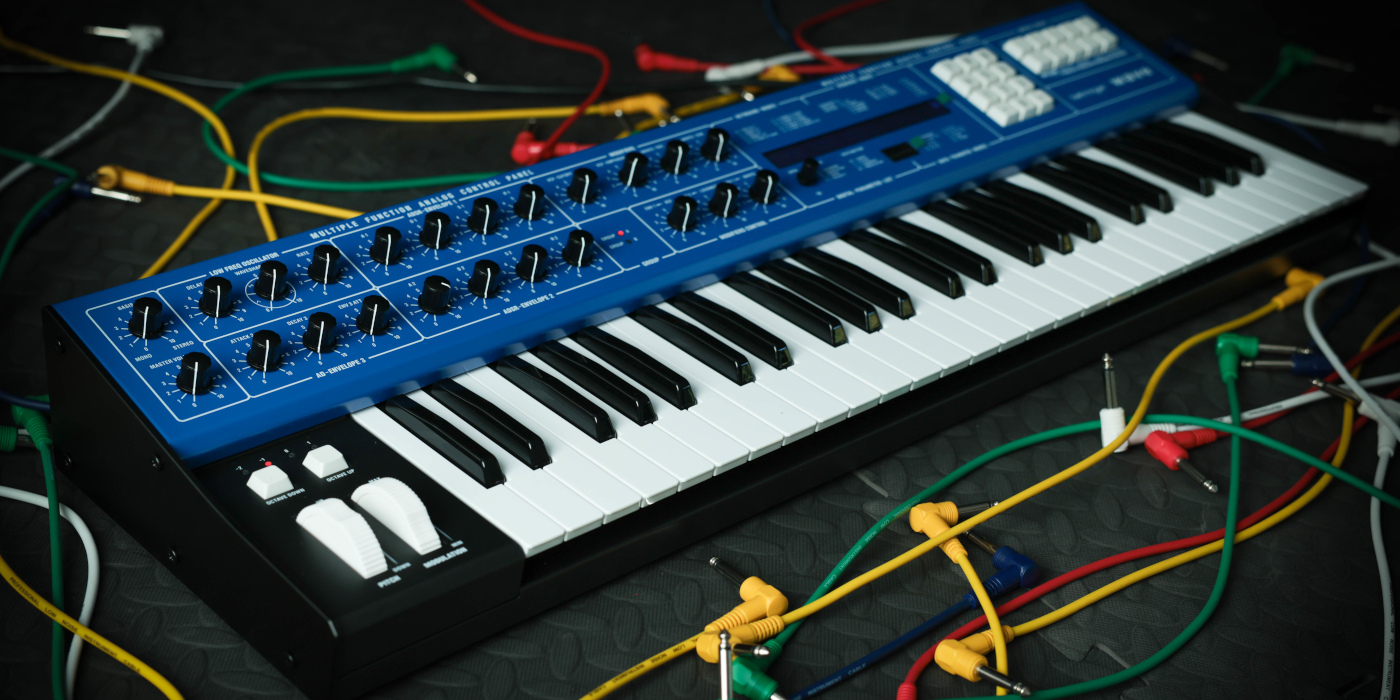
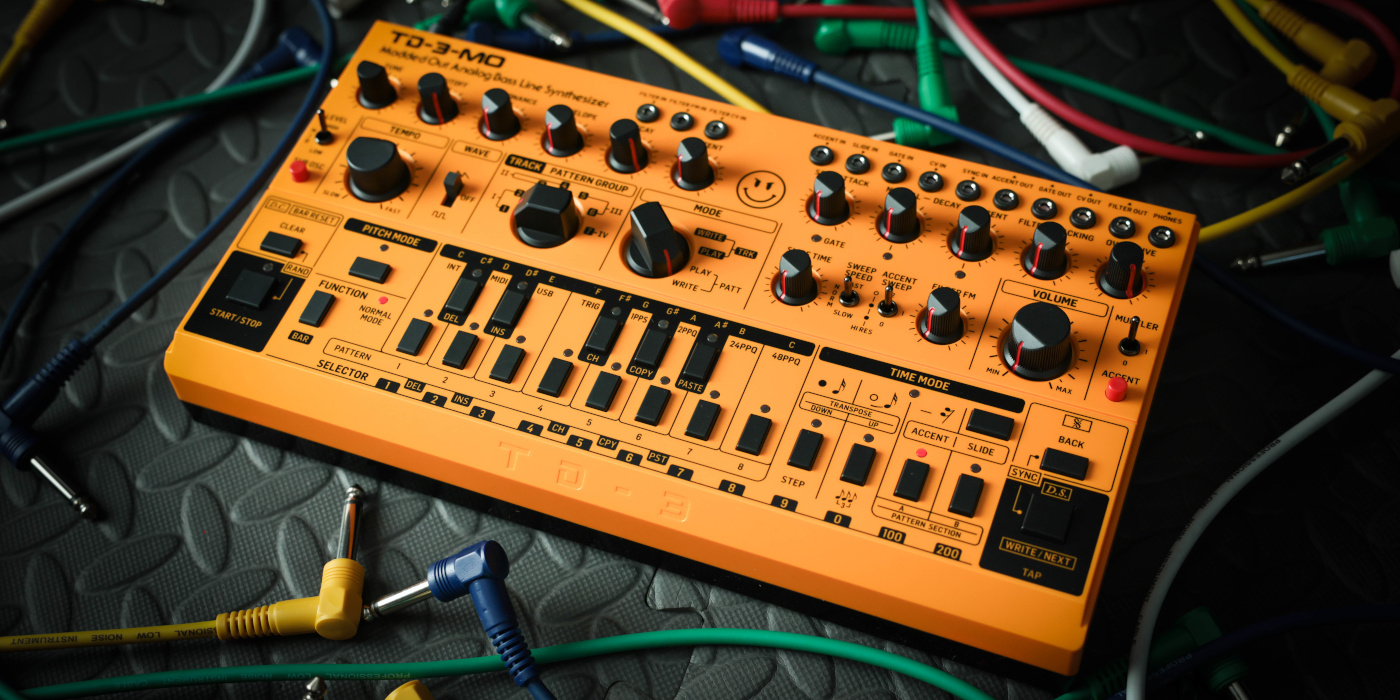
They aren’t full clones, unlike companies like DinSync or Steda who focus on one-to-one recreations. Behringer instead focuses on bringing the sound as close as possible, but also introducing quality-of-life improvements. A prime example is the RD-8, which features all the sounds produced by the original TR-808 but with knobs that are bumped up in size, making it easier to use. The sequencer is also expanded and redesigned, and the I/O is improved with modern staples such as MIDI and additional controls while being a bit more portable than the originals too. Want another example? Let’s take a look at the TD-3. This is a clone of the Roland TB-303, which gave birth to the sound of acid. The TD-3, for the most part, keeps this quite faithful, including the legendarily complicated sequencer, which is known for being a bit of a happy accident machine. Behringer has brought some welcome improvements, such as some expanded CV connectivity and MIDI so it can easily be sequenced with modern gear and a built-in distortion circuit- distortion unit, you say? Yes, one of the most iconic sounds of the TB-303 was the unit being run through a distortion unit, or heavily driving a mixer, so they included one right on the unit, nice.
Are Behringer synths any good?
Simply put, yes, they are. They’re an affordable way to get into hardware synthesis; they sound wicked, and they’ve been spotted with many professionals. We mentioned them earlier, but The Prodigy and Kaiser Chiefs have both been seen using the Behringer MS-1 live in place of their usual SH-101s. You can very easily build an old-school acid house setup with an RD-9, TD-3 and MS-1 and get jamming with something great immediately.
Enjoyed this?
Why not check out the rest of our industry and learn content? We’ve also collated a bunch of other relevant articles for you below:
- Hardware synths vs. software synths
- Synth 101: a guide to synthesizer terminology
- Desktop synths vs. modular synths
- What makes synths so expensive?
- How to use modular synthesizers
Responses & Questions