



- Ampless guitar rigs explained
- Types of ampless guitar rigs
- How do you build an ampless rig for gigging?
- Amp pedals vs. multi-FX units and modelling amps
- Benefits of an ampless guitar rig
- FAQs
Guitar amps are awesome. But let’s be honest, they can sometimes be a bit of a pain. They take up space, they’re heavy to lug around and getting a consistently great sound out of ‘em isn’t always easy. If you’re running a valve amp, it’ll also need the odd tube replacement. Plus, you’ll often have to crank it up to really hear it at its best. So, what if we told you that you don’t necessarily need a traditional guitar amp anymore? Enter the ampless rig…
More players than ever are turning to modern, streamlined solutions that deliver big amp tones in portable packages — many of which can sit neatly on your pedalboard. They come in a few different forms (which we’ll break down and compare later), but they all share one thing in common: convenience. Not only can an ampless rig free up space and simplify your setup, but it might save you a few trips to the chiropractor too!
Ampless guitar rigs explained
As the name suggests, an ampless guitar rig is a setup that replaces a conventional amplifier and speaker cabinet using digital or analogue tech, typically housed in a compact pedal-sized box. The goal is simple: to give you great guitar tones in a smaller unit that’s easier to transport, maintain and dial in.
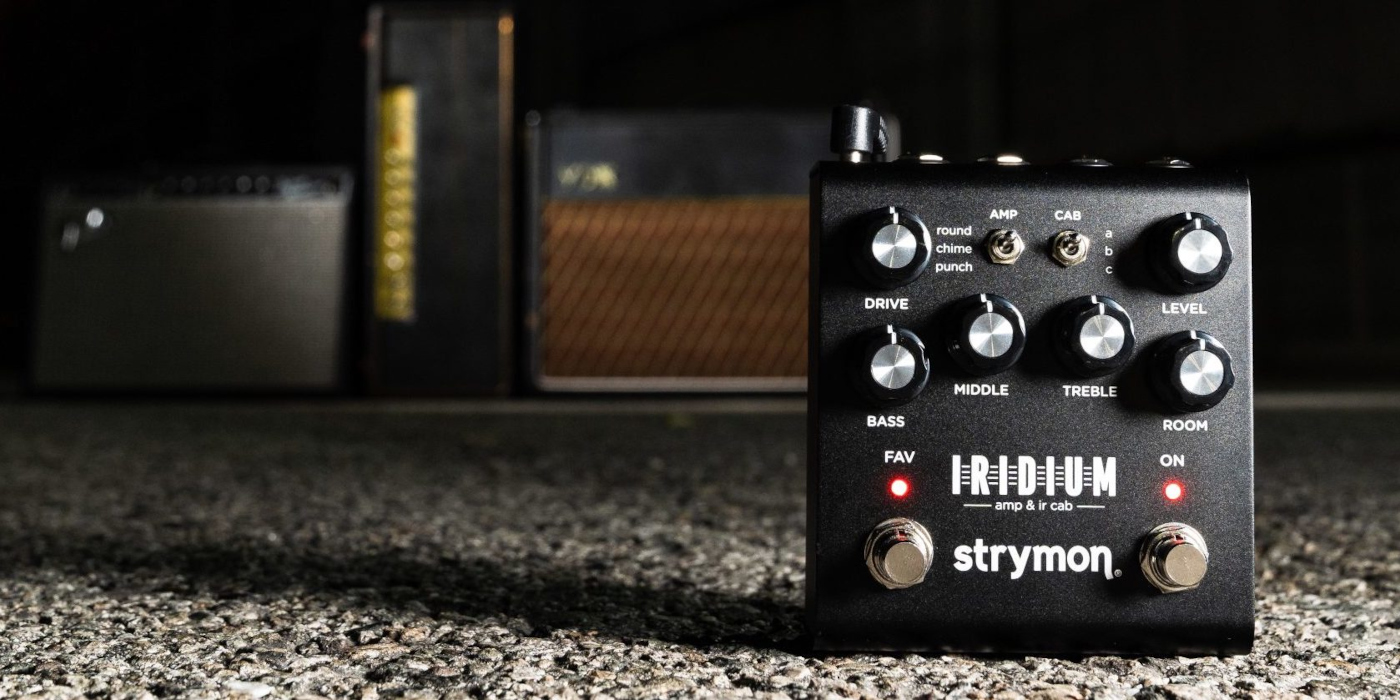
While ampless rigs are great for saving space at home, they’re particularly popular with gigging musicians. Instead of hauling a heavy 2×12″ combo to every show and having it mic’d up, you can send your guitar signal directly from your pedalboard to the venue’s mixing desk and through their PA system. Many modern amp alternatives can also be connected to lightweight FRFR (Full Range, Flat Response) cabs, or even traditional guitar cabs if you still want that familiar on-stage feel and punch.
As much as we love classic electric guitar amps, they’re just not really that practical these days. They can be cumbersome to move, too loud for home playing, and valve amps in particular can be fragile and hard to maintain. That’s where an ampless rig comes into its own, offering many of the same inspiring tones in a format that’s far more flexible.
Types of ampless guitar rigs
Here are some of the most common ampless options available today and how they compare:
- Amp pedals: Standalone preamp pedals, compact power amps and cab simulator pedals designed to live on your pedalboard and recreate the sound and feel of a traditional amp setup.
- Pedalboard amps: All-in-one solutions that are essentially shrunken-down electric guitar amp heads. They often combine analogue preamp and power amp sections with onboard EQ controls, and many pedalboard amps can also drive a standard guitar speaker cabinet.
- Multi-FX processors: While primarily designed to provide a huge range of effects in a single unit, many modern multi-FX units now have advanced amp modelling and cab sim tech built in, so they cover all the bases.
- Floor-based amp modellers: These digitally mimic the sound, feel and response of sought-after guitar amplifiers with incredible accuracy. Lots of modelling amps now boast onboard effects too, making them super versatile.
- Amp modelling software and plugins: Believe it or not, your computer can become an ampless rig. Plugins from brands such as Neural DSP and Positive Grid are hugely popular, especially for recording as they integrate directly with DAWs.
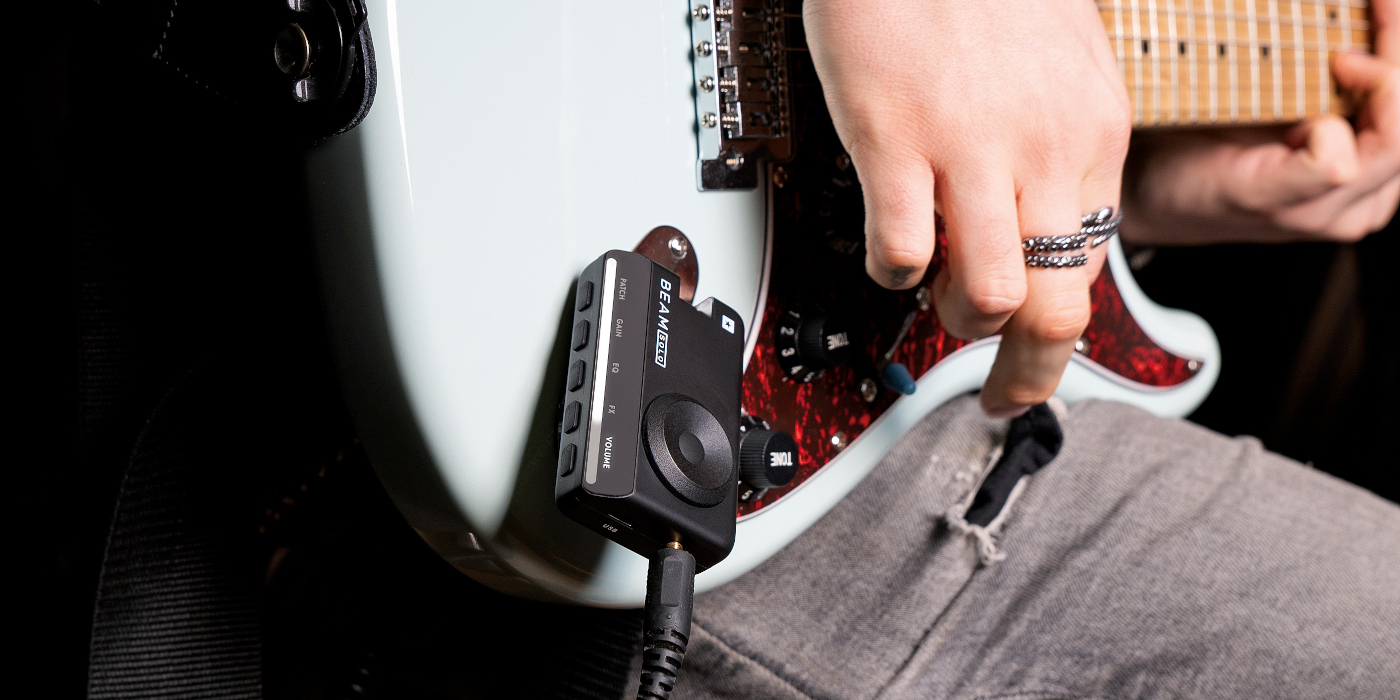
- Headphone amps: Ultra-portable devices that plug straight into your guitar and let you play silently through headphones. Many headphone amps feature amp modelling, built-in effects and Bluetooth connectivity for jamming along to your favourite tracks from your phone, making them perfect for home practice.
How do you build an ampless rig for gigging?
A typical live guitar setup features three key components: your guitar, a few pedals and an amp. Remove the amp from the equation, and you’ll need another way to shape your tone and send your signal to a PA system or speaker cab. Fortunately, with more guitarists going ampless, there are now plenty of great ways to do exactly that.
Here are six common approaches to build an ampless guitar rig:
1. Combine preamp and cab sim pedals
Signal chain: guitar > preamp pedal > cab simulator pedal > PA system
This method gives you lots of control over your sound, but it requires two separate guitar pedals:
- A preamp pedal for your core amp-like tone and EQ shaping.
- A cab simulator pedal for a realistic mic’d speaker cabinet sound when connecting directly to live mixers or PA systems.
It’s worth noting that many modern preamp pedals feature balanced DI outputs and built-in cab simulation, so you can run them straight into a PA without the need for a separate cab sim pedal. The Tone King Imperial and Royalist preamp pedals are great examples.
2. Pair preamp and power amp pedals
Signal chain: guitar > preamp pedal > power amp pedal > guitar cab and/or PA system
A standard guitar amp has two main components: a preamp and a power amp. The preamp lets you shape your tone with gain and EQ controls, while the power amp provides the muscle needed to drive a speaker. This method essentially recreates that setup in a compact, pedalboard-friendly format.
Like many of today’s preamp pedals, some compact power amps also boast cab-emulated outputs. This lets you use a traditional guitar cab for on-stage monitoring while simultaneously sending a direct signal to the front-of-house engineer, making it easier for them to mix your sound.
3. Go for a pedalboard amp
Signal chain: guitar > pedalboard amp > guitar cab and/or PA system
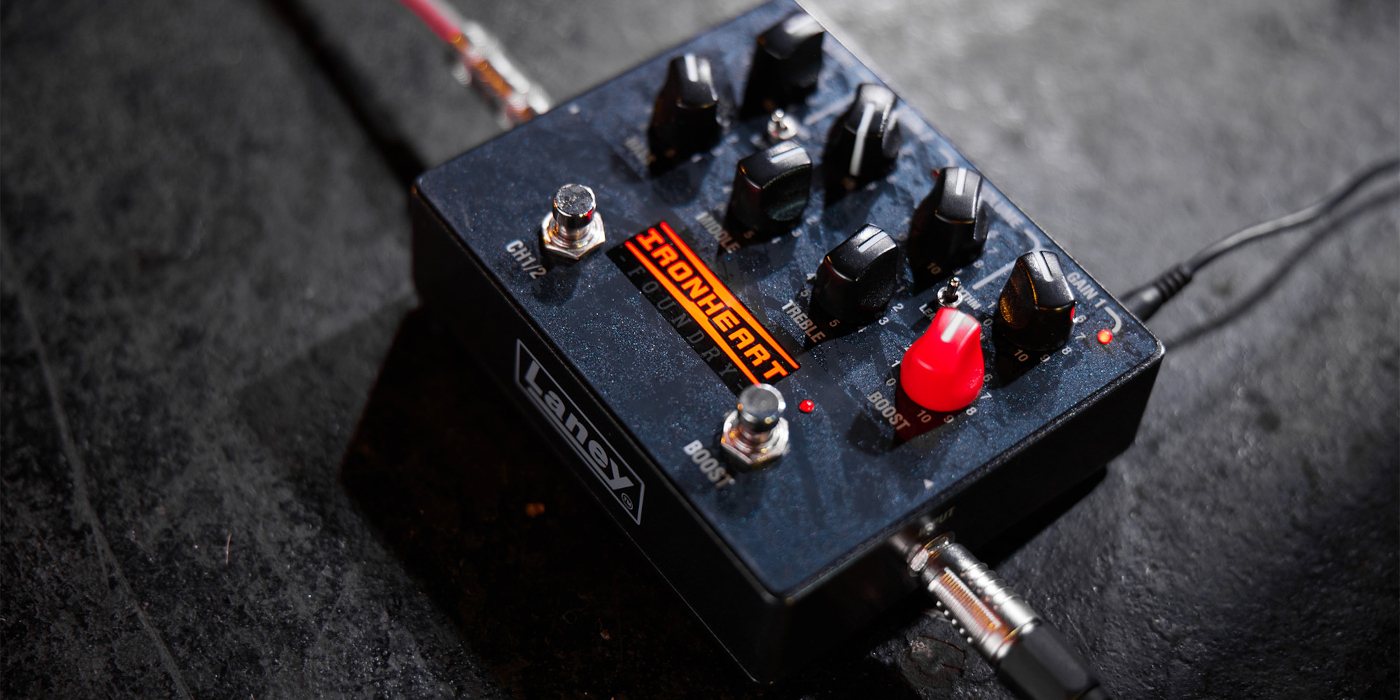
This is one of the simplest pedal-focused ampless solutions. That’s because pedalboard amps typically combine preamp, power amp and cab sim technology into a single unit, covering all the essentials in one box. They’re compact, easy to use and, in many cases, can drive a guitar cab if you’d still like to push some air on-stage.
4. Get a multi-FX unit with amp modelling
Signal chain: guitar > multi-FX pedal > PA system and/or FRFR cab
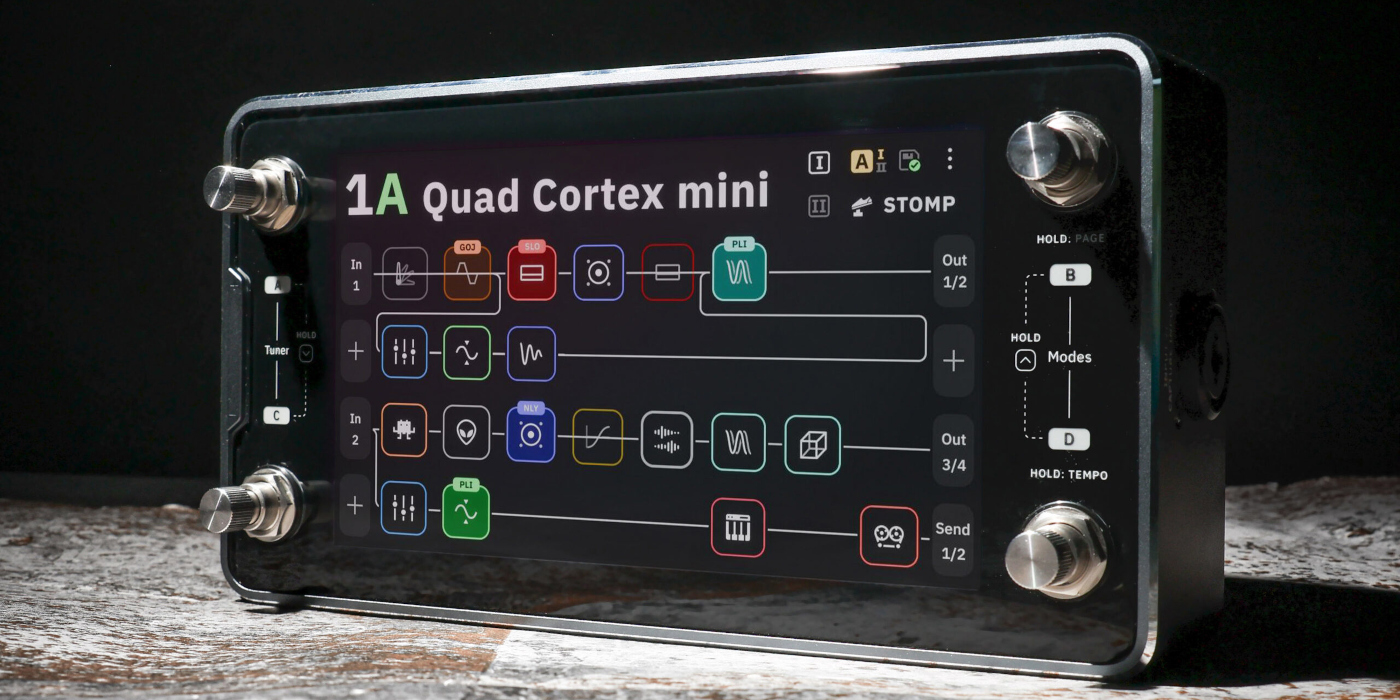
The line between multi-FX processors and amp modellers is becoming increasingly blurred, with many of today’s units offering killer amp and cab emulations alongside extensive effects libraries. Like pedalboard amps, they’re flexible all-in-one solutions. But multi-FX units often offer even greater versatility thanks to their huge range of sounds, advanced routing options and preset capabilities. Plus, they can eliminate the need for multiple standalone effects pedals, making your rig more compact and easier to manage.
Many players connect these units straight to a PA system, using the venue’s floor monitors or in-ear monitors to hear themselves on-stage. If you’d prefer to use a regular guitar cab though, it’s worth knowing that most multi-FX units can’t power a traditional passive amp cabinet on their own. To do this, you’ll typically need to pair one with a separate power amp pedal. Alternatively, you can connect directly to an FRFR cab, which is usually lighter and more portable than a standard guitar speaker cab.
5. Run a floor-based digital modelling amp
Signal chain: guitar > amp modeller > PA system
This is becoming one of the most popular ampless solutions around, and it’s very similar to the multi-FX method above. Designed to recreate the tones of classic amplifiers digitally, floor-based modelling amps combine realism, flexibility and convenience, with key benefits including:
- Various amp emulations in a small unit.
- Built-in effects and versatile routing options.
- Consistent, reliable performance.
- Easy preset switching for different songs and gigs.
6. Use a laptop with amp modelling software
Signal chain: guitar > audio interface > computer (running amp modelling software) > USB-to-audio DI box > PA system
While it’s not the most compact solution, it can be one of the most powerful. Software plugins from companies such as Neural DSP and Positive Grid give you access to pro-quality amp models, effects and recording tools from a single device.
This approach is very practical for guitarists who want the same setup for recording, practising and live performance. Once your presets are dialled in, you’ll have access to the same sounds whether you’re tracking songs in your home studio, rehearsing or playing on stage.
Amp pedals vs. multi-FX units and modelling amps
The methods we covered above can really be simplified into two key approaches:
- The pedalboard and “amp-in-a-box” approach: This method uses dedicated preamp, cab sim and/or power amp pedals to form a compact, gig-ready rig that lives on your pedalboard — like recreating a head and cab stack at your feet. Alternatively, you can opt for a pedalboard amp which combines many of these elements into a single unit. Lots of these can also be connected to a traditional guitar cab for a more familiar, “analogue” on-stage experience.
- Multi-FX units and digital amp modellers: These solutions use digital processing to imitate a huge range of amplifier, cabinet and effects sounds in a single device. They’re designed to connect directly to a PA system, FRFR cab or both, making them a super flexible option for modern guitarists. Many also offer extensive preset management, allowing you to switch between multiple rigs and sounds at the touch of a footswitch.
Benefits of an ampless guitar rig
Before you go, here’s a quick summary of the main reasons why more and more guitarists are making the switch to ampless rigs:
- Portability and convenience: They’re significantly smaller and lighter than traditional amp setups. In many cases, you can turn up to a gig with nothing more than your guitar and pedalboard, then plug straight into the venue’s mixing desk.
- Consistent sound: Your tone remains largely the same from venue to venue, regardless of the backline available. In other words, you’re not at the mercy of unfamiliar amps, questionable mic placement or worn-out gear!
- Lower stage volume: If you’re not using a guitar cab, stage volume can be dramatically reduced because your signal is running directly through the PA system. This gives sound engineers more control over the overall mix and can help the whole band sound tighter and more balanced.
- Flexibility: Most modern ampless solutions are incredibly versatile, letting you switch between different amp models, cab sims, effects and presets with a tap of your foot.
- Silent practice and recording: Many ampless guitar rigs feature headphone outputs and direct recording capabilities, making them ideal for jamming at home, recording late at night or capturing studio-quality guitar tones without having to mic up a loud amp.
FAQs
What’s the difference between amp modelling and amp-in-a-box pedals?
Amp modelling uses digital technology to mimic the sound and behaviour of real guitar amplifiers, often offering hundreds of different emulations in one unit. Amp-in-a-box pedals typically focus on recreating the sound of one or a handful of specific amps using either analogue circuitry or digital processing.
Do I need different pedals for live performance vs. recording?
Not necessarily. Many modern ampless solutions work equally well for both gigs and studio work. The key is ensuring your setup has proper cabinet sim tech, so you can go direct to PA systems or audio interfaces/studio mixers with a convincing mic’d speaker sound.
Can I use my existing pedals with an ampless rig?
Absolutely! Most ampless rigs are designed to work with your existing stompboxes. Simply place your preamp pedal or amp modeller early in your signal chain, with your cabinet simulator or power amp pedal towards the end. Some all-in-one pedalboard amps even feature effects loops like traditional amps, perfect for your delay, reverb and modulation pedals.
How do I get monitor sound on-stage without a guitar amp?
Most venues provide stage monitors, and many ampless rigs can also send a signal to a dedicated wedge or in-ear monitoring system. Some guitarists use a small, powered monitor specifically for their guitar sound in the form of an FRFR cab. Or if they’re using a power amp or powered pedalboard amp, it can be used with a normal guitar cab.
Are ampless rigs suitable for all music genres?
Yes, modern ampless rigs can handle everything from warm, clean jazz sounds to extreme high-gain metal tones. What’s important is choosing the right combination of preamp/amp modelling and effects to suit your style.
What are the most popular ampless guitar rigs?
Some of today’s most popular ampless solutions include the Neural DSP Quad Cortex, Line 6 HX Stomp, IK Multimedia TONEX Pedal, Laney IRF-LoudPedal and Universal Audio UAFX amp pedals. These products have become favourites among gigging musicians in particular, thanks to their combination of realistic amp tones, direct-to-PA connectivity and compact, pedalboard-friendly formats.
Ready to go ampless?
Fancy learning more?
Whether you’re looking for buying advice, tutorials or a bit of gear inspo, our learn section has you covered. For all the latest product launches and industry updates, head over to our gear news section.
Responses & Questions