



A loadbox is a device used to absorb the energy released by a valve guitar amplifier and dissipate it as heat. They safely direct the sound of the amp via XLR or line output to the likes of an audio interface to record, a mixer and PA system for live performance or even headphones for silent playing.
Valve amp heads require electrical resistance to function. That’s why, traditionally, you match the amp head to a speaker cabinet at 2, 4, 8 or 16 Ohms. If you leave an amp head running without connection to a cab, you’ll quickly find that the output stage of the amp burns out, leaving it partially damaged or broken entirely. To apply the technical term, the cabinet ‘loads’ the amplifier. The loadbox bears that responsibility and can either replace or work in conjunction with a speaker cabinet.
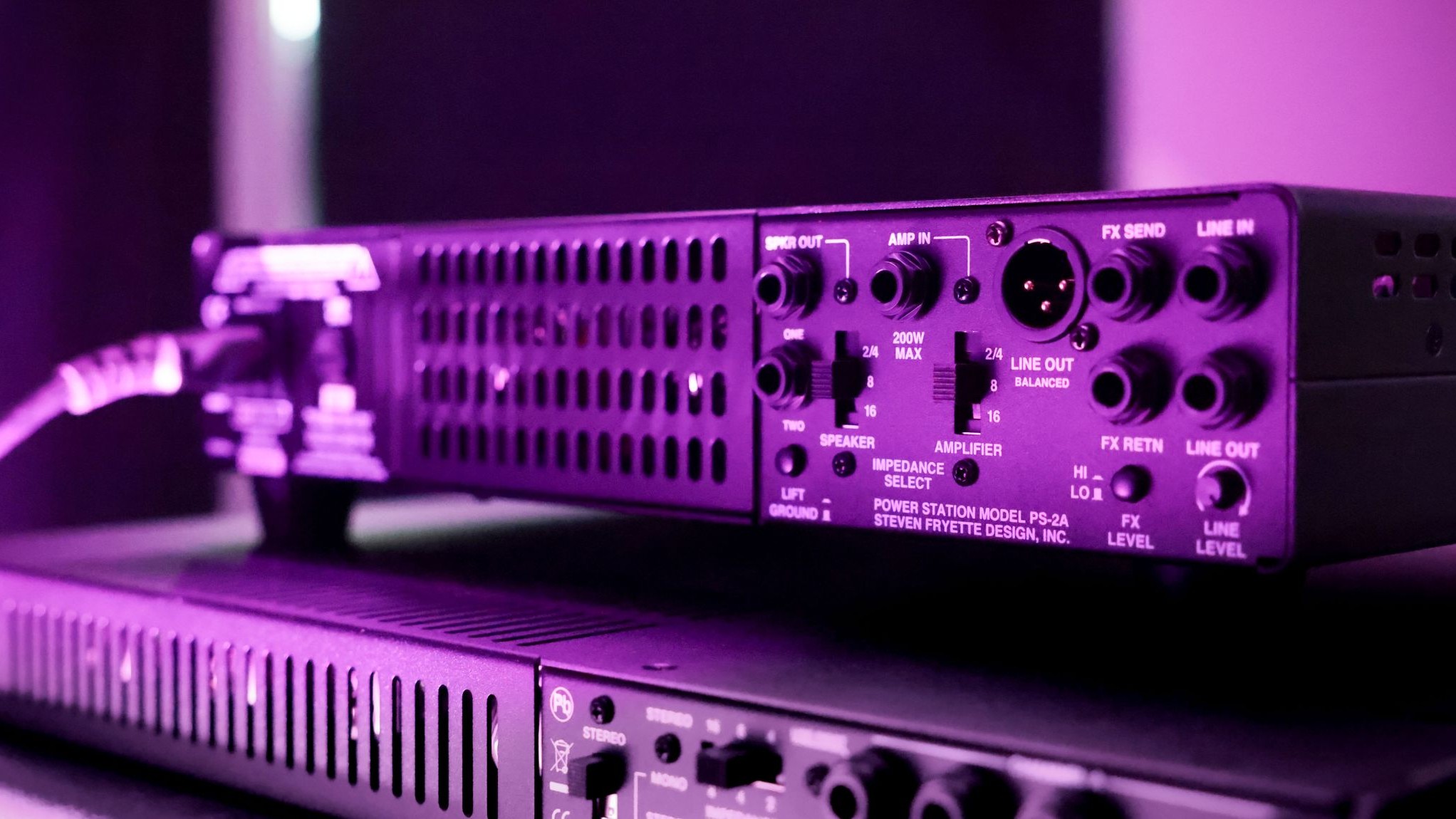
Recording a loud amp
Why would you want to use a loadbox? First off, valve amps are very loud. The loadbox allows you to plug directly into an audio interface without the sound of your playing blaring out of a speaker cabinet. If you’re at home or in a small studio, this can be deafeningly loud at close range. With the loadbox in place you’ll hear the amp either through your studio monitors or a pair of headphones, making for clear recording monitoring.
Attenuation
Valve amp heads (especially 50 watt, 100w and even higher) often have a high headroom, meaning you must turn them up loud to get the driven, compressed guitar tone many guitarists love. A loadbox usually incorporates an attenuator function, which reduces the wattage and consequently the headroom of the amp. You can tap into cranked tube tones at home, studio or more intimate gig spaces without the ear-splitting volume.
Cabinet impulse responses
So much of your guitar tone is influenced by the speaker cabinet. The way a speaker cab is built with closed or open back construction, or with angled or straight mounted speakers, plus the speakers themselves, affect the sound in different ways in impacting EQ and overtones. Two classic picks plenty of rock guitarists gravitate towards are Celestion Vintage 30s and Greenbacks, but there are many, many speakers out there that filter and compress the amp sound in various ways. The problem with them is how heavy and impractical they are to keep moving from gig to gig, or just to show up at band practice.
The popular method of accessing a range of speaker sounds without lugging around a heavy cab is through digital cabinet impulse responses (IRs). It’s really simple to download these IR captures from the likes of the Neural Amp Modeler (NAM) project on TONE3000 and load them into your modelling amp or DAW, but also into your loadbox if it’s capable, like the Two Notes Captor X. You’ll also find that lots of loadboxes also host cabinet simulations, which is software built into the loadbox digitally replicating the colouration of speakers and microphone setups.
These options make perfect sense when you’re running a raw amp signal through the loadbox to record, practice or play live. It gives you the freedom to pair your amp with a cab you like while also cutting down on physical gear.
Effects loop
You’ll find a lot of loadboxes incorporate an effects loop into their chassis. If you’ve got any effects pedals or multi-FX, you can slot these in after the power amp and before a virtual cabinet. Effects like modulation, delay and reverb generally benefit from the greater clarity and behave better when they’re fed with a ‘speaker-like’ signal, as they do in the effects loop within a guitar amp.
Setting up for live performances
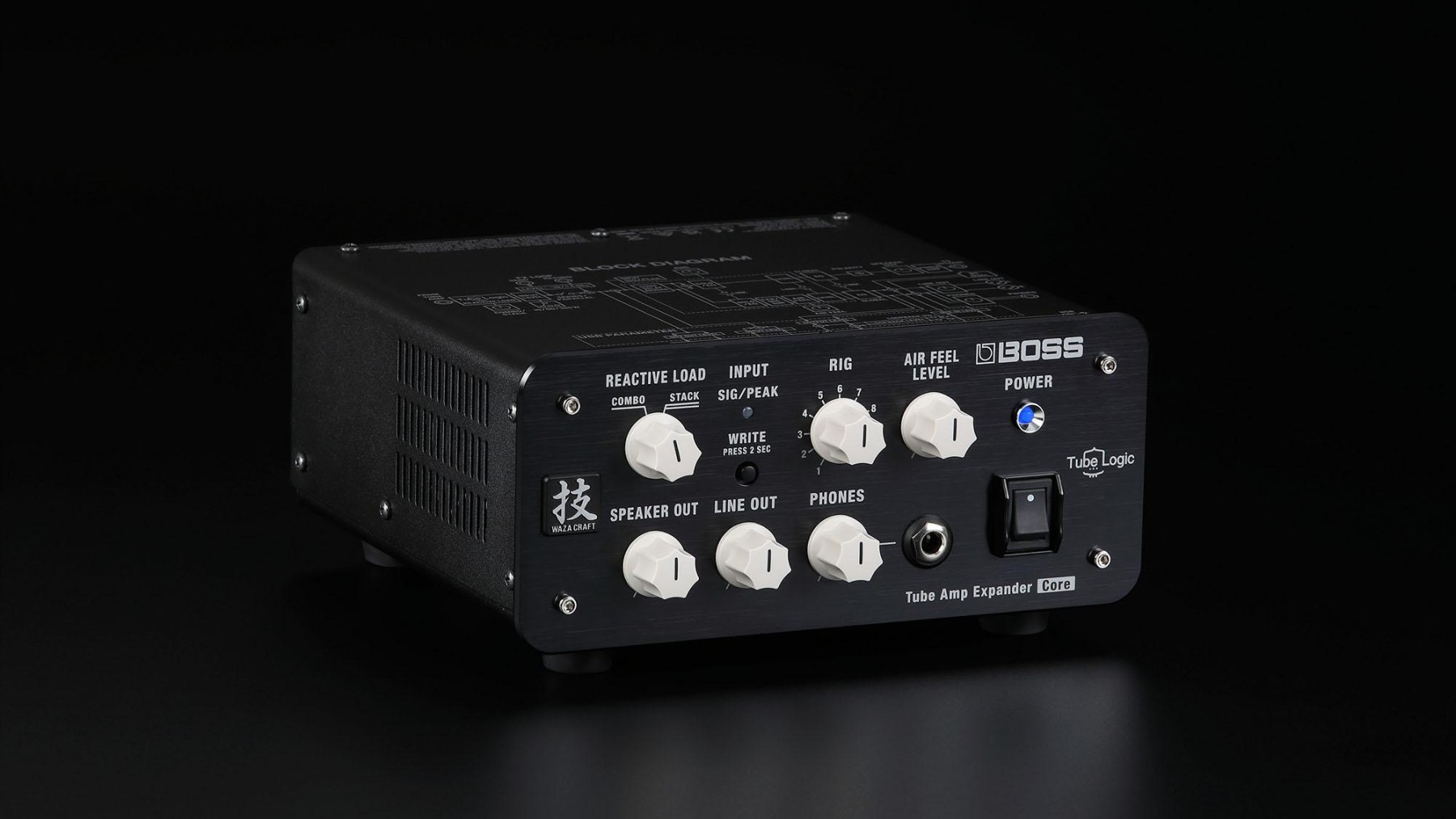
A loadbox gives you the option to send a signal to both a speaker cabinet for the ‘in the room’ feel, while also sending another line to a mixer heading into a PA (you might have a PA system that includes a mixer). Of course, you could solely send it through the loadbox to the PA, but a lot of us guitarists like the presence and push of air you get from a speaker on stage – it’s more tactile and reactive to your playing than FRFR speakers. Some loadboxes like the Boss Waza Tube Amp Expander actually feature a control to replicate the air feel created by the speaker cab, so you’re not completely lacking that dynamism.
Resistive Vs. reactive loadboxes
Resistive loadboxes provide a fixed and constant resistance, but they fail to resemble the fluctuating impedance that a real speaker cabinet offers. The result? A dark, sterile and rather lifeless tone.
All the best loadboxes from the likes of Fryette, Two Notes and Boss are reactive: these more sophisticated models mimic the interaction between an amp’s output transformer and speaker coil, giving you a harmonic richness, overtones and dynamics you’d get from a classic amp head and cab combination. You get way more out of your performances – that ‘feel’ we’d all expect from a quality amp.
Summary
The loadbox is a vital piece of kit if you own an amp head and you want to record with it or set it up to use live by sending the signal into a PA system. If you’re not planning on using the amp with an external cabinet, then you need the loadbox to ‘load’ the amp and absorb its energy, otherwise it’ll break. The ‘reactive’ part of the loadbox ensures your amp sounds its best by reacting dynamically to your playing.
The are several benefits of a loadbox. Not all have these, but well-known models provide a mix of:
- Silent playing for headphones or monitor referencing – no loud speaker cab required
- Attenuation to tap into the saturated tones of your amp
- A variety of cabinet impulse responses and extra studio tools to customise your guitar tone
- An additional FX loop to add in guitar pedals and multi-FX units after the power amp
- The ability to send your amp out into a mixer/PA system without using a microphone in front of the speaker cabinet
If you enjoyed reading this article, then check out more of our other Learn blogs!
Responses & Questions