
Sound like Sleep Token: Guitar, bass, synth, samplers and vocals

Behind the mysterious masks of the anonymous members of Sleep Token are highly accomplished musicians at the forefront of modern metal and hard rock tone. Let's explore the guitars, amps, synths, samplers and effects that Vessel, II, III and IV use to get their genre-bending sounds.
Cian Hodge

Cian Hodge

Sleep Token are one of the most popular heavy bands in the world right now, and they’re arguably Britain’s biggest guitar-driven export since the era of Bring Me The Horizon and Architects. The cryptic four-piece have crafted a deep lore for their fans by revealing little narrative slices throughout their music, shows and social media. They’ve maintained the secrecy by keeping their identities concealed with number monikers and by donning the stage in black robes and cult-like masks, led by the enigmatic frontman Vessel. Are they metal? Are they pop? Who cares when they’ve got guitar tones and sultry synths for days.

The mysterious musicians made their big break with the 2019 LP Sundowning, and those huge low notes from their hit single ‘The Offering’ put them on the metal map. But it was 2023’s Take Me Back To Eden that launched them onto the world stage. Combining intense metalcore and djent-inspired bursts with long, emotional build-ups utilising clean guitar tones and synth pads, they found a following that reached outside of an enclosed metal bubble. ‘The Summoning’ is a prime example of their stylistic flexibility; a proggy journey with guitar solos, technical staccato riffs and soaring choruses, just to top it all off with a funky outro across a 6-and-a-half-minute track.

2025’s Even In Arcadia saw the band incorporate an even wider palette of sounds, folding in metal, rock R&B, hip-hop and pop ballad elements.  Twinkly synths and pianos, string sections, electronic beats, pop vocal sensibilities and self-referential lyrics are all over this record, occasionally reverting to their metal roots in explosive pockets of energy. They demonstrate their knack for blending genres on lead single ‘Caramel’, which transitions from Ed Sheeran-esque crooning over a reggaeton stomp clap to a furious metal blast beat crescendo.

So, how do our stringed instruments fit into this eclectic mix of Sleep Token styles? Let’s break it down into the guitars, basses, amps, effects that guitarist IV and bassist III use, as well as the synths, microphones and samplers Vessel and II work into the sound to cover such a vast sonic scope.

IV’s guitar gear

IV’s guitars

Baritone and 8-string guitars are at the heart of everything Sleep Token do. They’re not exactly Meshuggah or Loathe when it comes to the sheer brutality of what either type of guitar can reach when pushed to their limits, but much of Sleep Token’s heavy side has this engulfing, marching high-gain sound that’s less so the centre of attention and more of a contributor to the brooding atmosphere established in most of Sleep Token’s back catalogue. On the other end of the spectrum, there are calm moments featuring shimmering cleans like on ‘Are You Really Okay?’ and ‘Emergence’, as well as edge-of-breakup crunchiness on ‘Gethsemene’.

IV’s signature Jackson Monarkh baritone is the culmination of the need for a vast sea of tones stretching from precise distortion to pure cleans. At a 30-inch scale length and equipped with a caramelised (nice touch) maple neck with graphite truss rod reinforcement, this single-cut beast holds tension across all strings an octave down from your typical electric guitar. The Evertune bridge ensures unshakeable tuning and intonation stability. Its dual Fishman Fluence Open Core Classic humbuckers are arguably the most versatile pickups ever made – perfect for Sleep Token’s sonic variety – thanks to the two active and passive voicings able to cut it with modern active high output and fluid, crispy old school cleans.
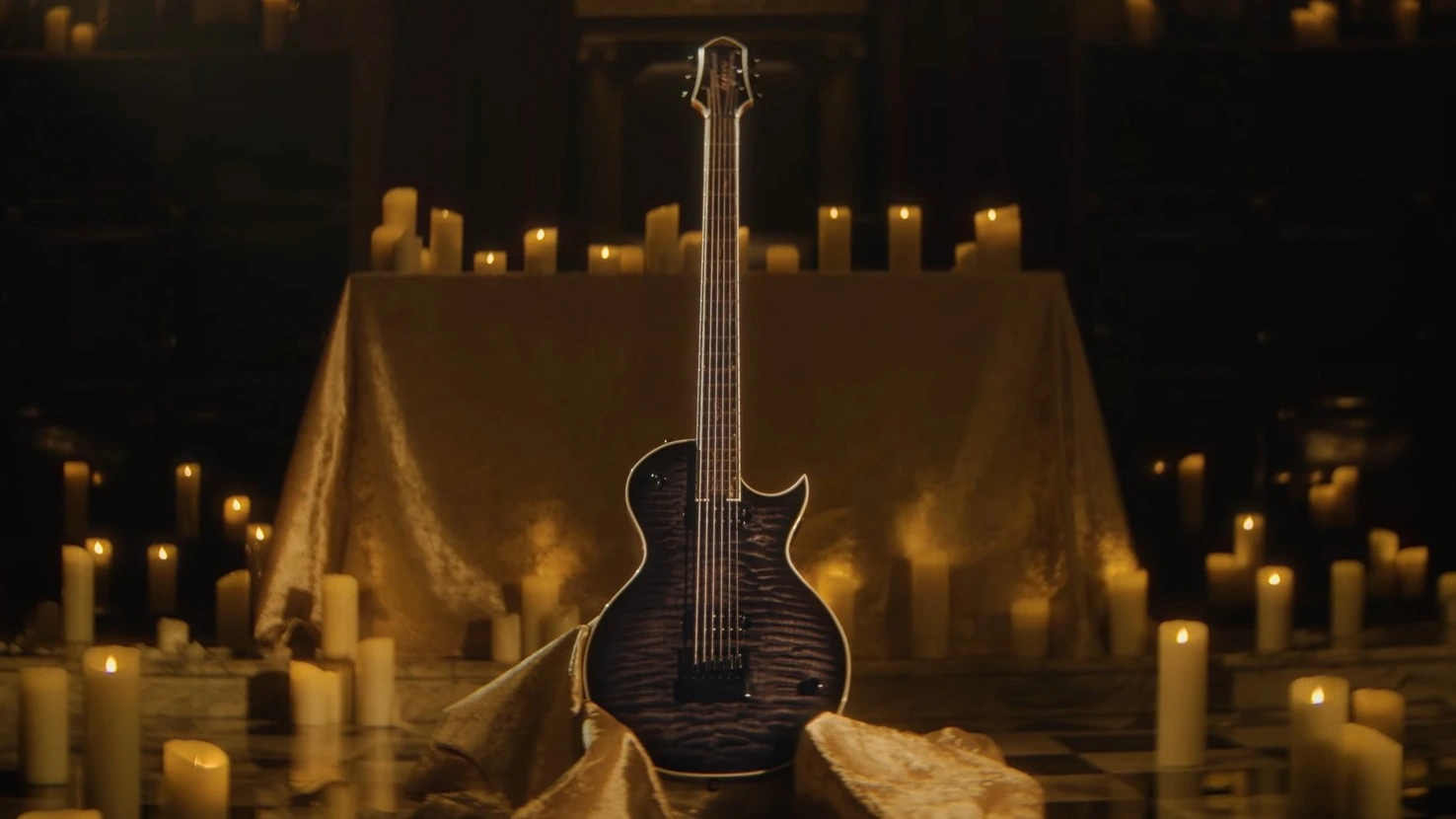
Shop IV’s signature guitar

Songs like ‘Take Me Back to Eden’ and ‘Chokehold’ require the use of an 8-string guitar, for which IV has previously tackled with a multi-scale Jackson Soloist – great for keeping tension on the low strings and looser on the high strings for bends and solos – and an extended scale Ibanez M8M. The surprise in his arsenal is the six-string Jackson Misha Mansoor signature So-Cal, which he uses on their newer material covering more textured tones in support of their branching genre-melding tracks.

All the aforementioned brands plus the likes of ESP, Schecter and Strandberg guitars with active pickups from Fishman or EMG are going to get you close to IV’s diverse tones across a range of prices to suit.

IV’s amps

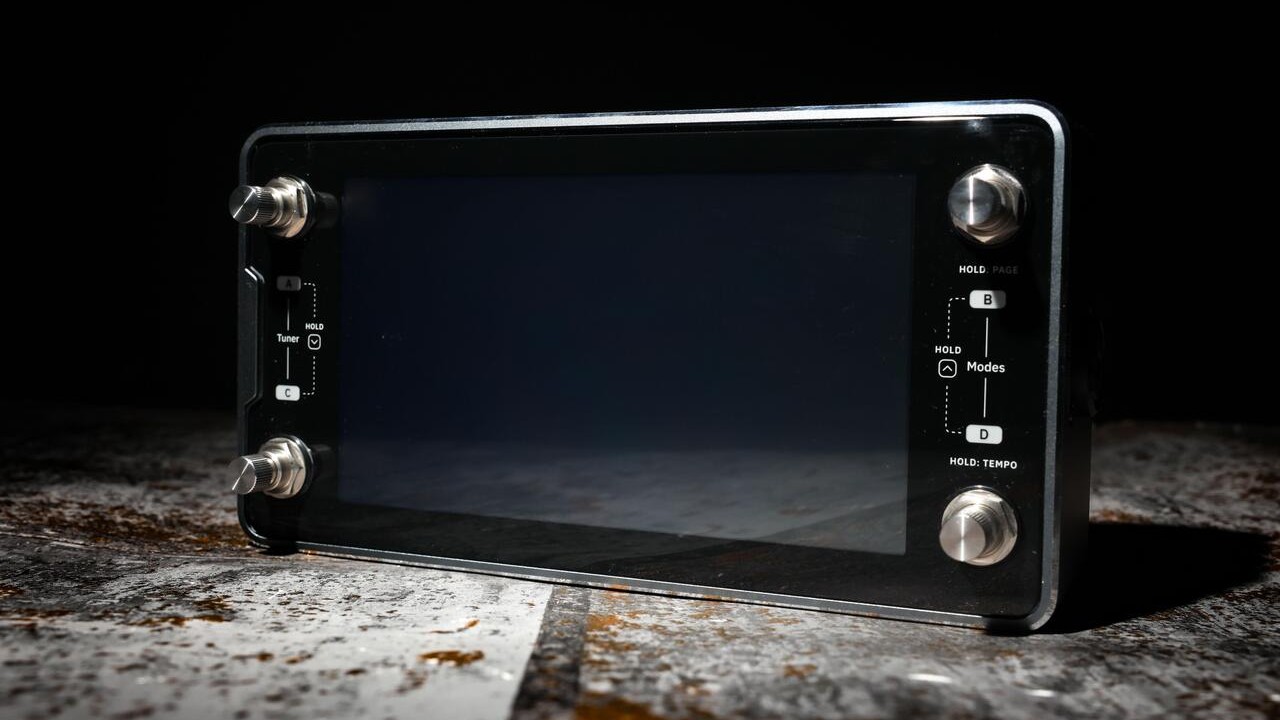
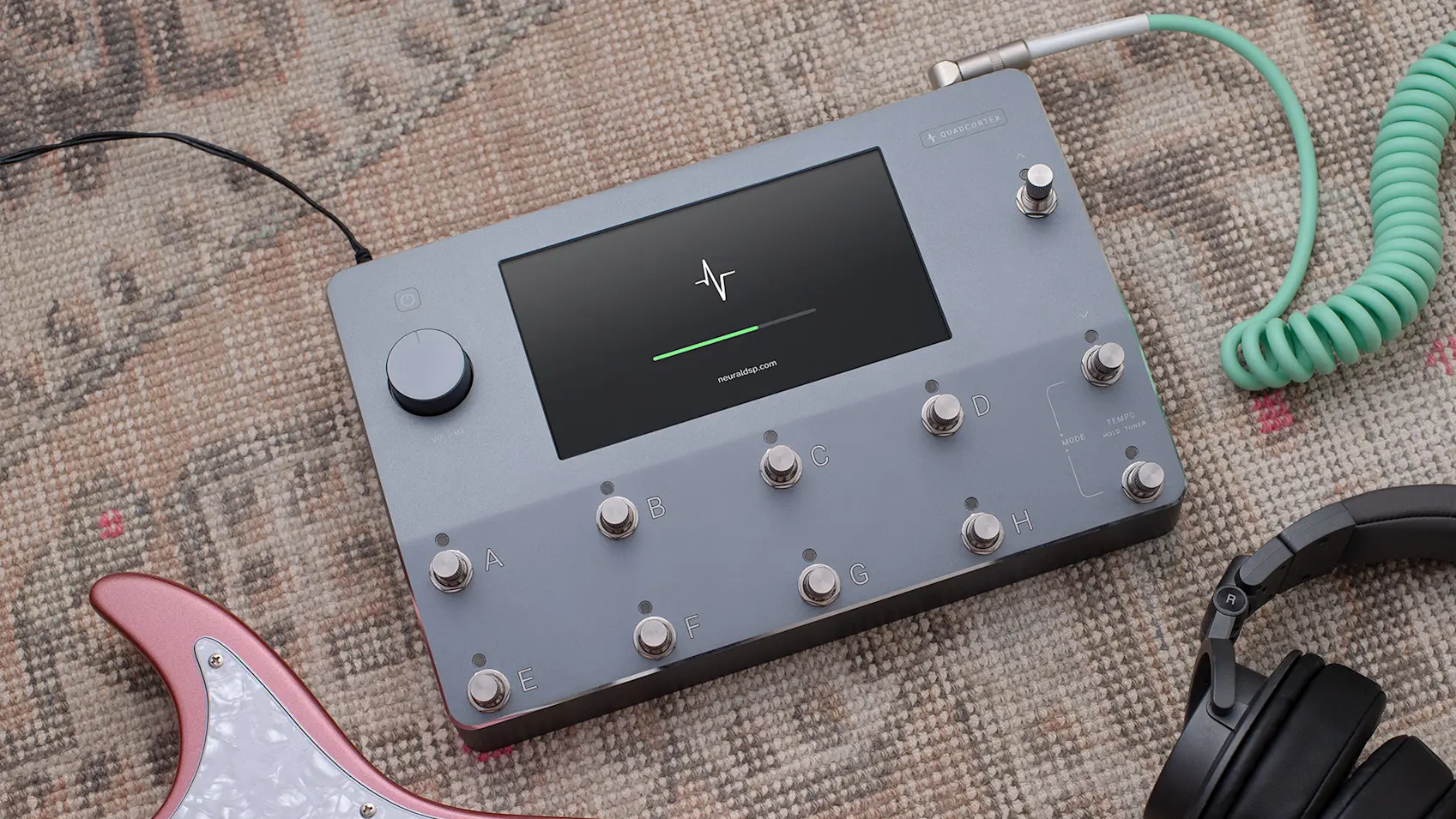
Like most touring metal guitarists, IV has boarded the modeller amp train. The elusive musician started out with the Kemper Profiler, but the most recent setup has been built around the Neural DSP Quad Cortex. The Sleep Token guitar tech teased how IV runs a capture of the Revv Generator – a high-end, high-gain valve head, and a classic Mesa Boogie speaker cabinet. As for the clean tones, it’s up for debate, as very few details have been released about the details of their gear. Based on the brightness of the cleans, it’s a safe bet that they’ve gravitated towards a snappy sounding amp like the Fender Twin, and something akin to a Soldano SLO with the gain rolled back from some satisfying crunch.

To achieve these tones, you can go down the three different routes: search for similar amp captures in NAM compatible floor amps like the HeadRush range, the Darkglass Anagram, or the Valeton GP series providing budget options; invest in a flagship modeller exactly like IV, or just go all out for the real deal valve amp if you absolutely love sound of a Revv Generator, Fender Twin or Soldano SLO.

IV’s effects pedals

Pitch shifting, or more accurately, transposing, is a key part of IV’s sound. Not that they’re as heavily reliant on making dissonant, metallic noises like Gojira or Spiritbox, but it instead allows IV to play in different tunings without changing guitar. This is mainly achieved by the Quad Cortex, which has this feature baked in. They’ll often shift down two semitones, even as many as five semitones during songs (especially when playing a six-string guitar) to make specific parts sound heavier. Check out ‘Vore’ to hear how absurdly low IV hits.

As for traditional effects, IV uses them sparingly but does lean into an envelope filter and flanger on ‘The Summoning’. The Electro-Harmonix POG3 also fills out the gargantuan sound with an octave either side of his initial guitar signal, as well as the use of a chorus to give a doubled effect – a great idea to borrow if you’re the lone guitarist in a band.

For different driven textures, IV also uses a Revv G3 distortion pedal, Spline Laboratories Cathedral fuzz and Tallon Electric The Noise pedals in his rack setup. This is all topped off with a Boss ES-5 switcher, which is safe to presume the guitar tech has authority over to switch presets for songs backstage, if not purely done by MIDI triggers.

III’s bass gear

III’s bass guitars

Unlike many rock and metal bassists, III’s role in the band doesn’t see him rigidly stick to propping up the woolly low-end of a heavy track. His sound is bright, articulate and even quite aggressive for highly rhythmic playing, syncopating with II’s incredible drumming chops and IV’s riffing moments.

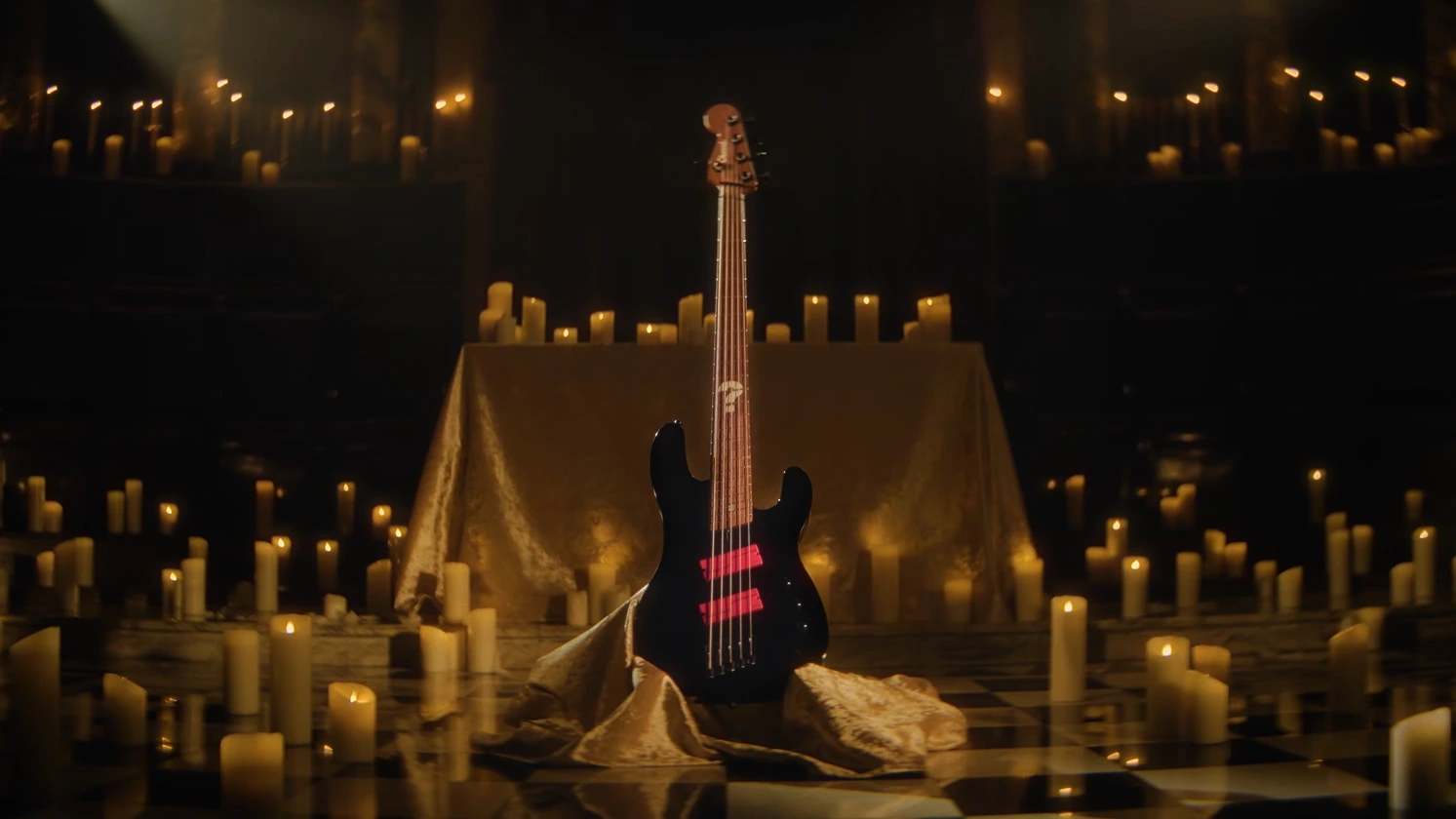
III has wielded a real range of different basses, and that’s represented in his signature Charvel San Dimas five-string. This opens up III’s sound to all sorts of djent weight, funky injections and pop atmosphere. The modern 34.4″ to 35.5″ multi-scale, fanned fret design optimises tension across five strings to retain attack at low tunings. Like IV, III has opted for Fishman Fluence soap bar pickups for a breadth of tones across vintage roundness and hi-fi active directness. To get the authentic tone from the onboard preamp, blend both pickups, dial back on the bass, turn up the treble and set the voicing switch selected away from you to its active, most vibrant sound.

Shop III’s signature bass

Up until now, III had used the likes of a Custom Shop Charvel also housing Fishman pickups and a Warwick Corvette $$ 5-string for full frequency contemporary tone, but also a Fender Precision and a Charvel San Dimas with a passive P/J configuration. Warwick, Charvel, Jackson, Sire and Squier all make contemporary basses that can get relatively close to the versatility of his signature Charvel if you’re working on a tighter budget. A bass with an onboard preamp and pickup blend will do you wonders when you’re trying to carve out that brighter tone.

III’s amps

Like IV, the foundation to III’s sound lies in the Quad Cortex. Sleep Token bass tones range from clean warmth to compression and colour, and onto gritty overdrive and aggressive fuzz. III uses a plethora of presets and very few bass tones sound identical from song to song, but the go-to amp model being used is the Gallien-Krueger 800RB. Other than that, the Quad Cortex has a great selection of bass amp simulations to choose from, covering flavours of Ampeg SVT, Mesa 400+ and Darkglass B3K. This is perfect for III as we’ve established Sleep Token stray into lots of different genre crossovers.

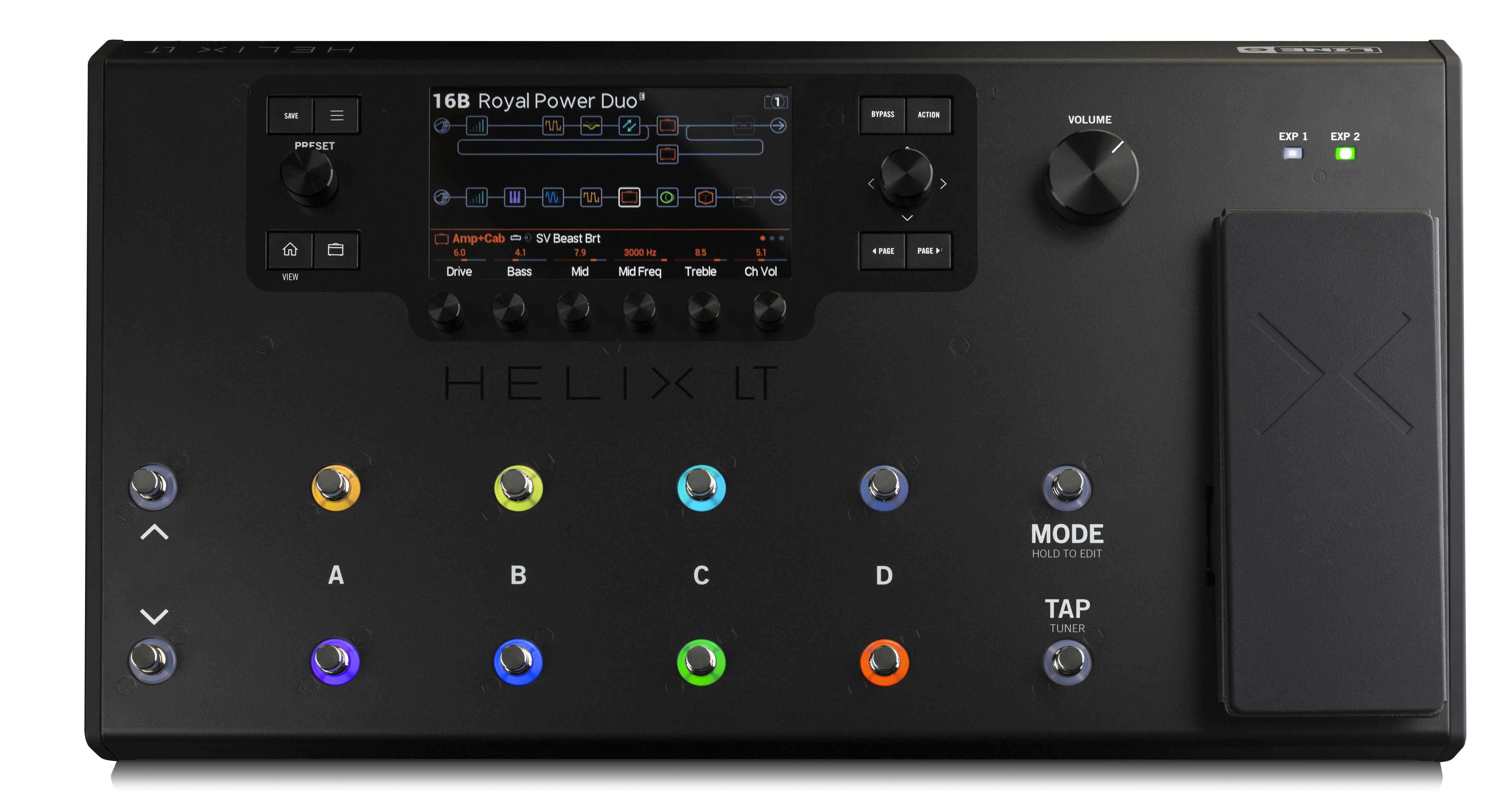
Recreating his tone on a budget would be best done with a modelling amp like the Darkglass Anagram Bass Workstation, the Line 6 Helix or the many models made by HeadRush.

III’s effects pedals

III only uses a handful of bass pedals but they’re really fun ones to get your hands on. Included in the collection is the Way Huge Pork & Pickle (a Russian Big Muff-style fuzz) and the Earthquaker Devices Blumes, which imprint unique overdriven tones onto a clean signal or alternatively function ideally when layering gain. III’s Gamechanger Audio Plasma Coil, however, is definitely one you’ll want to run by itself as this is distinct fuzzy chaos in a box.

Outside of overdrive, III also uses a high-quality Origin Effects Cali76 compressor to squeeze that volume into a punchier, consistent attack. The Boss CEB-3 Bass Chorus and MXR Bass Synth add a layer of movement and distinctness, which allows his sound to catch the ear through dense layering that Sleep Token utilise both live and on their records.

Vessel’s gear

Vessel’s synths and keyboards

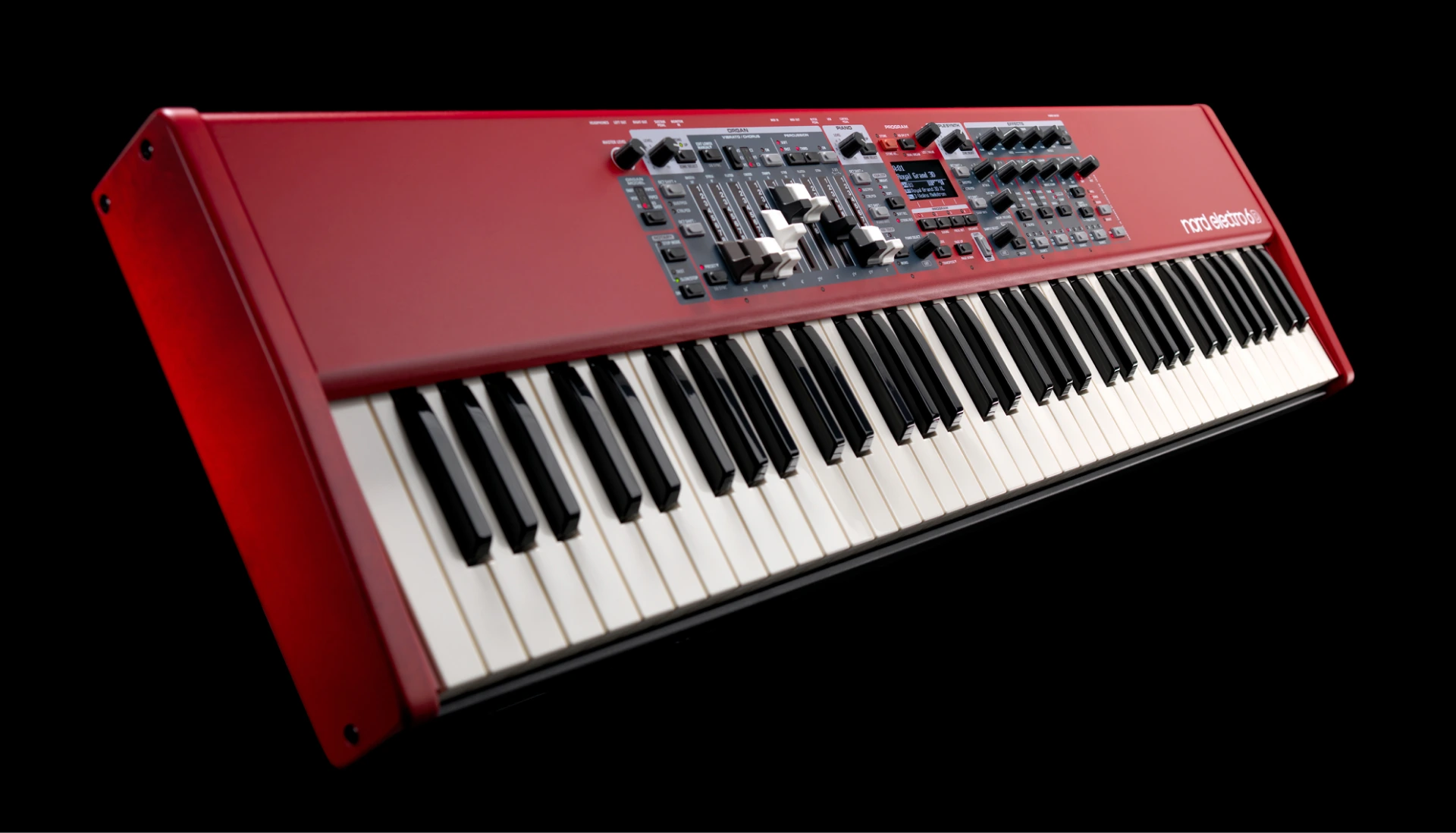
Not much is known about the exact synths Sleep Token have used on their records, but what we do know is that lead singer and keyboardist Vessel plays a Nord Electro 3 during their shows. As a high-end keyboard workstation, the Nord could be both triggering virtual synths and playing patches from the keyboard itself. The Electro 3 is a little old now, so you could get a straight upgrade with the Electro 6 or Electro 7, both greatly expanding the library of onboard sounds and updating their electric keyboard emulations.

What’s more pertinent is how Sleep Token uses synths: adding slow attack and long release synth pads and orchestral layers to fill gaps between vocals and guitars, widen their arrangements, build emotional swells and blend identifiable aspects of different pop and RnB genres. There are long stretches of their songs filled only with synths and vocals while the guitars and drums drop out completely. The song ‘Granite’ is a great example of the electronic elements leading the line with arpeggios, mellow pulses and bass lines blurring the lines between genres.

The UDO Audio Super 6 will get you most of the way to their synth sound, while the Behringer JN-80, Roland JU-06A, Korg Minilogue or Korg Minilogue XD will have you in the ballpark while keeping it analogue on a tighter budget.

Vessel’s vocals and microphones

A massive draw to the Sleep Token sound is with their alluring, heavily RnB and pop-inspired vocal delivery, melody and processing. Vessel is known to use the Slate Digital ML-1 in the studio (at least on Sundowning), which emulates a slate of different classic condenser and ribbon microphones. The Universal Audio SD range covers a similar range of mic options through modelling tech in your DAW. In a live setting, there are some murmurs of Vessel using a very affordable sE Electronics V7 dynamic mic.
From there, the vocal philosophy is to create a mix of intimate, dry delivery and heavily processed, reverberated and doubled sections depending on what is called for within the song.

From there, the vocal philosophy is to create a mix of intimate, dry delivery and heavily processed, reverberated and doubled sections depending on what is called for within the song.

II’s sampler pads and triggers

Building on the idea of genre melding, II’s drum setup plays an integral part in laying down highly synthetic-sounding electronic pop and hip-hop influenced beats. II is known to use the Roland SPD-SX Pro sampling pad, two Roland BT-1 Bar triggers and a Roland KT-10 electronic kick trigger. The Roland SPDSX sampler pad or the Alesis Strike MultiPad is going to get you most of the way to Roland’s Pro model. Now these triggers are set up to activate as II plays the kit, letting him combine and switch seamlessly between acoustic and electronic percussion.

Want to learn more?

If you’re interested in finding out how to achieve the tones of more of your favourite artists, check out our other Sound Like articles!

Cian Hodge
Cian Hodge
Cian is a writer for the Andertons team. He shares his birthday with Muse frontman Matt Bellamy and believes he will one day reach the same level of stardom. Cian is a big metal fan so naturally loves Bare Knuckle pickups and pointy guitars.

Responses & Questions

Leave a Reply